
What is not included in a solar quote.
Every equipment price on this site is FOB. The five things that turn equipment into a working system are priced by your port, your government and your installer — and they are usually where two quotes for the same system diverge.
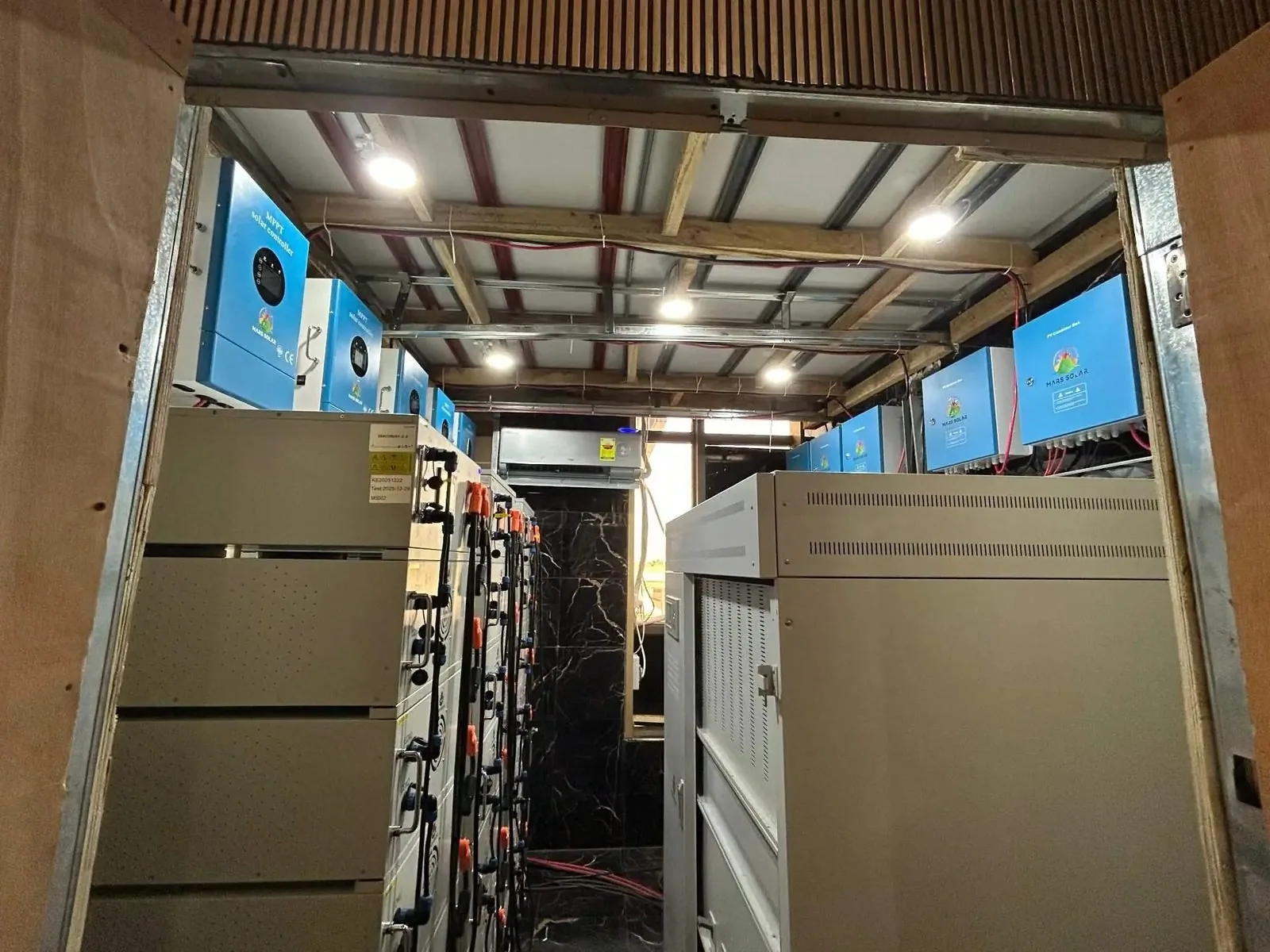
What is excluded from a solar equipment price?
Freight and insurance to your port, customs duty and import tax, local installation labour, permits and grid connection fees, and any roof or ground works. None of them are in the equipment number, and together they can rival it.
This is not a way of making the price look smaller. It is how export equipment pricing works: those five items are set locally, so any supplier who folds them into one number is guessing on your behalf.
What sits outside the equipment price.
| Excluded item | Who sets it | What to ask for |
|---|---|---|
| Freight and marine insurance | Freight forwarder, by route and volume | CIF and DDP quotations for the same shipment so you can see the difference |
| Customs duty and import tax | Your country’s tariff schedule for the HS codes involved | The HS codes we will declare, then check them with your own broker |
| Local installation labour | Your EPC contractor or installer | A scope of work from the installer, matched to our drawings |
| Permits and grid connection | Your utility and local authority | The application requirements and fees before you commit to a system size |
| Roof or ground works | Your contractor | A structural assessment if the array sits on an existing roof |
After-sales follow the same logic: we engineer and supply, and installation and after-sales are carried out by your local EPC or installer with our engineering support behind them.
Two quotes for the same system, two different totals.
When the equipment line matches and the totals do not, the difference is almost always in this list.
| Difference | How to spot it |
|---|---|
| Incoterms | One quote is FOB, the other CIF or DDP. Check the three letters before comparing anything else |
| Module count | A system described as 30 kW may be 47 modules or 48. The missing module is a missing 630 W |
| Inverter rating | One build may carry 1.2× the array in inverter capacity and another 1.0×. Both are defensible; they are not the same price |
| Storage | “With battery” is not a specification. Ask for kilowatt-hours |
| Accessories and spares | One quote may include a commissioning kit and spares, the other may not |
| Warranty scope | Equipment warranty and workmanship warranty are different things, held by different parties |
What the equipment price does cover.
| Included | Detail |
|---|---|
| All five equipment line items | Modules, inverters, batteries, mounting and electrical accessories, itemised |
| Factory testing | Every unit completes a 72-hour test before it is released for shipping |
| Export packing | Crating suited to the route we agree with you |
| Engineering drawings | Single-line diagram, layout and connection detail for your installer |
| Commissioning support | Remote support to your installer during commissioning |
Ask for both numbers.
Send the site and destination. We will give you the equipment price and, where we can, an indicative freight figure — clearly separated.
Request a proposalFrequently asked questions
Why do you not include installation in the price?
Because we do not carry it out. We engineer and supply the system; installation and after-sales are carried out by your local EPC contractor or installer, with our engineering support behind them. Bundling a service we do not perform into one number would hide who is responsible for what.
Can you quote DDP?
We can quote delivered terms where we have a forwarder on the route. Ask for both FOB and delivered on the same proposal so you can see the freight and duty component.
Who pays customs duty?
Normally the importer of record, which on most projects is you or your installer. Check the HS codes against your own tariff schedule with your broker before ordering.
Is the grid connection fee yours or mine?
Yours. Utilities charge for the connection and, where net metering applies, for the meter and the agreement. Get those requirements before you fix the system size.
What if my installer needs help?
That is what the drawings and remote commissioning support are for. Send the installer’s questions to us directly and we will answer them.
Does the 72-hour test happen before shipping?
Yes. It is the fourth of five delivery steps: requirement definition, system design, production, testing, then shipping and installation.
Get a quote you can take apart.
Send the load list, site conditions and destination port. You will get an itemised equipment price, a delivery schedule, and a clear line between our scope and yours.
Request a proposal