Final models and ratings are confirmed in the project bill of materials.
Model
FS-RACK-50~500
Type
Rack-mounted LFP energy storage
Energy capacity
50–500 kWh, modular
Rack module
5–10 kWh LFP modules, BMS per module
Depth of discharge
Up to 90–95%
Cycle life
6,000+ cycles @ 80% EOL
Installation
Indoor rack or outdoor cabinet
Certificates
CE / IEC 62619 · UN38.3 · MSDS
Warranty
5–10 years, model-specific
WHAT THE SYSTEM INCLUDES
One coordinated scope.
Every proposal names each component and its role in the complete system.
Component
Details
Rack battery modules
LFP modules with per-module BMS, stacked to the required energy
DC combiner & protection
Fuses, breakers and busbar sized to the rack count
EMS integration
Communication with hybrid inverter or PCS for scheduling and monitoring
50–500 kWh from the same module family — one spare parts chain
The modular storage layer behind our 96kWh–5MWh BESS range
Field-replaceable modules reduce service downtime
PRODUCT GALLERY
Cabinet and rack configurations.
The storage formats available, drawn as they ship.
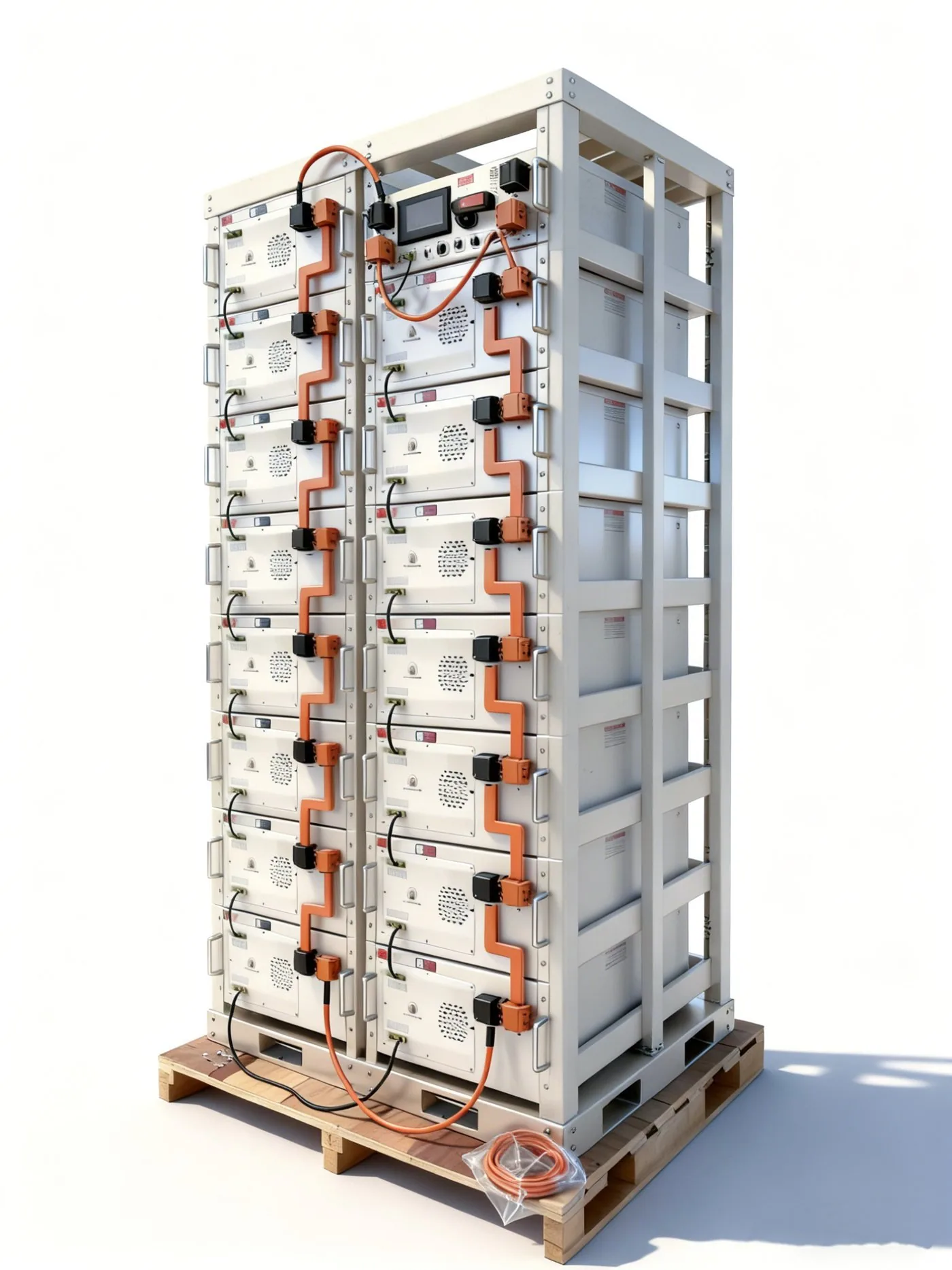
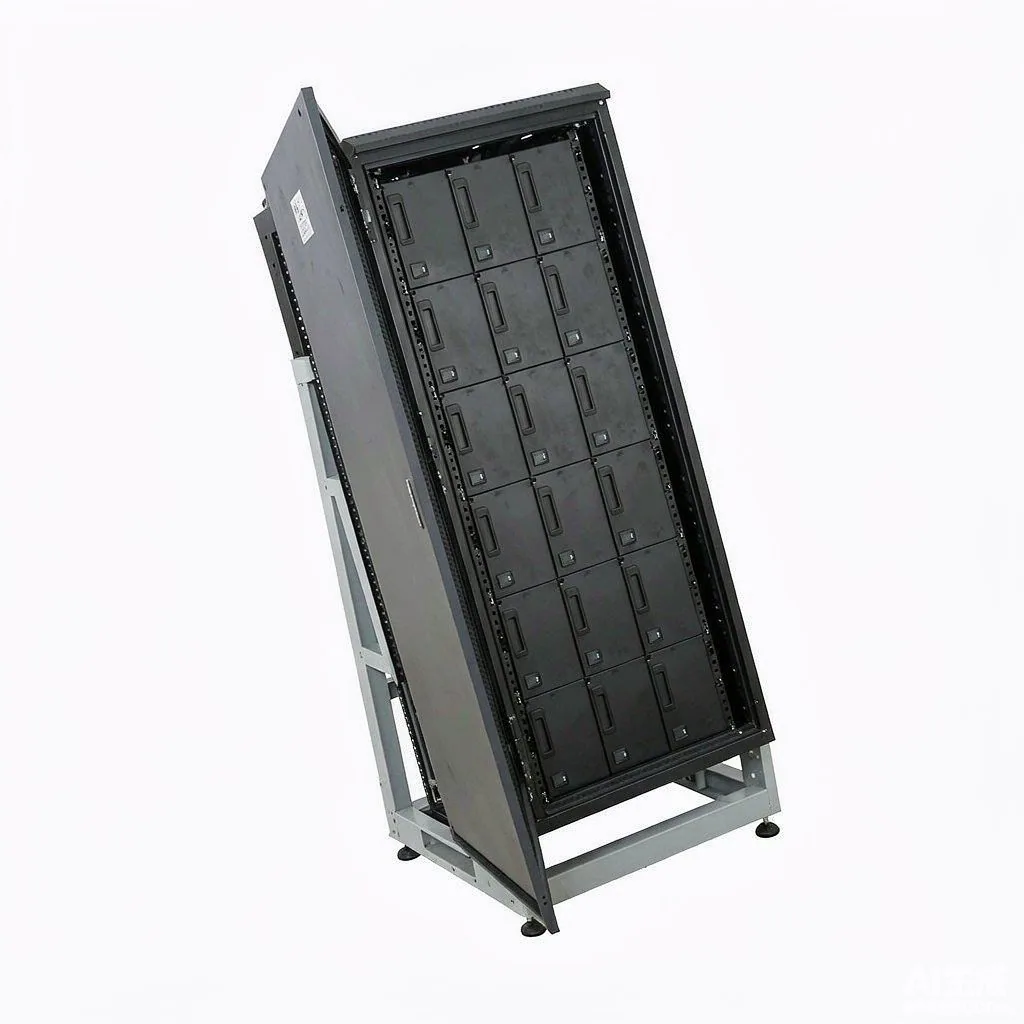
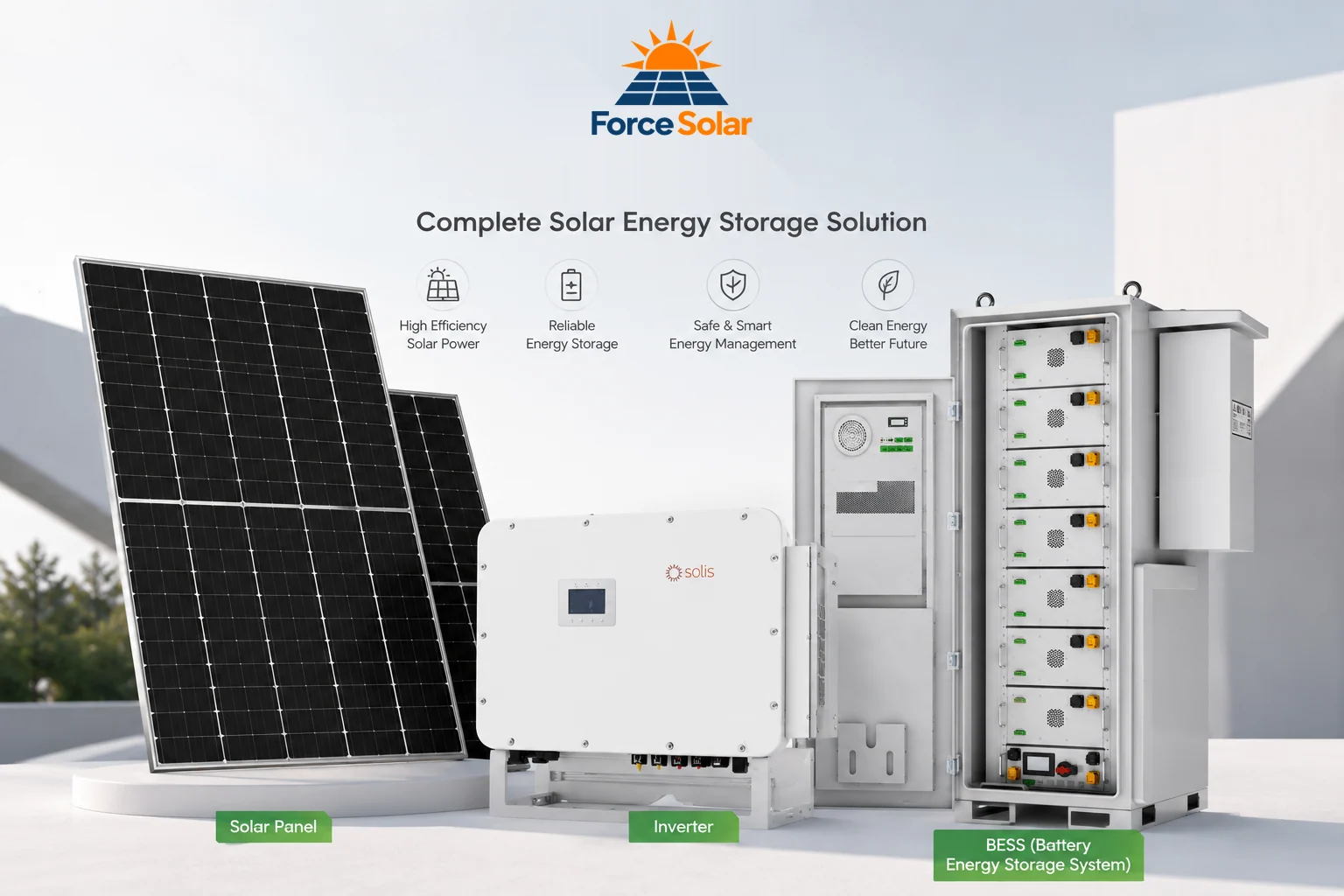
96kWh BESS cabinet125kW / 261kWh BESS cabinet and its PV scopeBattery cabinet on the factory floor
What a Rack Mounted Energy Storage Battery Is
A rack mounted energy storage battery stacks LiFePO4 modules in a standard 19-inch cabinet, so capacity can be scaled from 50kWh to 500kWh by adding modules rather than replacing the bank. A rack mounted energy storage battery is the building block behind most commercial and industrial storage systems.
Rack architecture matters because it decouples capacity from floor space and from inverter choice. You can start at 50kWh, add modules as load grows, and keep the same BMS, cabling and cabinet. That is why our 80kW BESS and 125kW BESS both use rack-mounted banks.
When to choose rack storage
Between a 30kWh home battery and a full BESS cabinet sits the largest group of projects: hotels, farms, factories and cold stores needing 50–500 kWh. Rack storage keeps the design modular — add modules as the site grows, and service one module without taking the system down.
TECHNICAL FAQ
Product FAQ
These answers describe system selection. Final equipment and compliance depend on the agreed model and destination.
Rack battery or BESS cabinet?+
Rack storage is the battery layer; a BESS adds PCS, thermal and EMS in one cabinet. Indoor plant rooms often use racks; outdoor installs usually take a cabinet.
How do I choose the kWh?+
Critical loads (kW) × hours of cover, adjusted for depth of discharge. Send the load list and outage pattern — we size it.
How it is sized
Capacity first, then hardware. Working through these steps in order is what keeps a quotation honest — each one narrows the answer the next one depends on.
Establish why storage is needed at all
Peak management, backup hours and energy shifting each produce a different answer. The same capacity can be configured for a long shallow backup or a short deep one, so the purpose has to be stated before any capacity figure means anything.
Size from the critical load list and the hour target
Capacity follows from two numbers: what must keep running, and for how many hours. Every thing else is secondary — including how much solar happens to be on the roof.
Choose the form factor from the room, not the catalogue
Rack storage is the battery layer. A BESS adds power conversion, thermal management and an energy management system in one cabinet, which is why indoor plant rooms usually take racks and outdoor installations usually take a cabinet.
FIT CHECK
Where this fits — and where it does not
Saying what a product is not for is usually more useful than another list of what it can do.
Situation
Verdict
Hotels, farms, factories and cold stores needing 50–500 kWh
The stated heart of this range
Sites expecting to grow
Modules can be added as consumption rises
A single-family home requirement
Step down to the 15–30 kWh home battery range
Turnkey single-cabinet supply including PCS and EMS
How long does it take to deliver the Rack battery 50–500 kWh?
End to end, 4–12 weeks. Requirement definition takes 1–3 days, system design 1–2 weeks, production 1–3 weeks, then every unit completes a 72-hour test before shipping, and shipping and installation take 2–6 weeks depending on the destination.
Is the Rack battery 50–500 kWh configuration fixed?
No. What is shown on this page is the reference configuration for the model — every system is sized against its own load data before it is quoted.
What testing does the Rack battery 50–500 kWh go through before shipping?
A 72-hour test. It is the fourth of five steps in our delivery process: requirement definition, system design, production, testing, then shipping and installation.
What is included in the Rack battery 50–500 kWh price?
Every item named on the quotation, together with export packing and the documentation set. Not included: sea freight, import duties and taxes, and site labour. Each quotation lists these on separate lines, so you can compare suppliers on the same basis.
Is installation included with the Rack battery 50–500 kWh?
Not as on-site labour. Our scope: the equipment as specified, tested before it ships, with the drawings and documentation your contractor works from, plus remote commissioning support and spare parts. Your scope: the base and civil works, crane placement, AC cable runs, the grid-connection cabinet and metering, local permits, and the installation labour. We do not keep installation crews abroad, so site work and its cost are quoted by your own contractor or local EPC.
START A PROJECT
Need a custom configuration?
Send the load profile, grid conditions and destination port — we respond with a sized bill of materials.