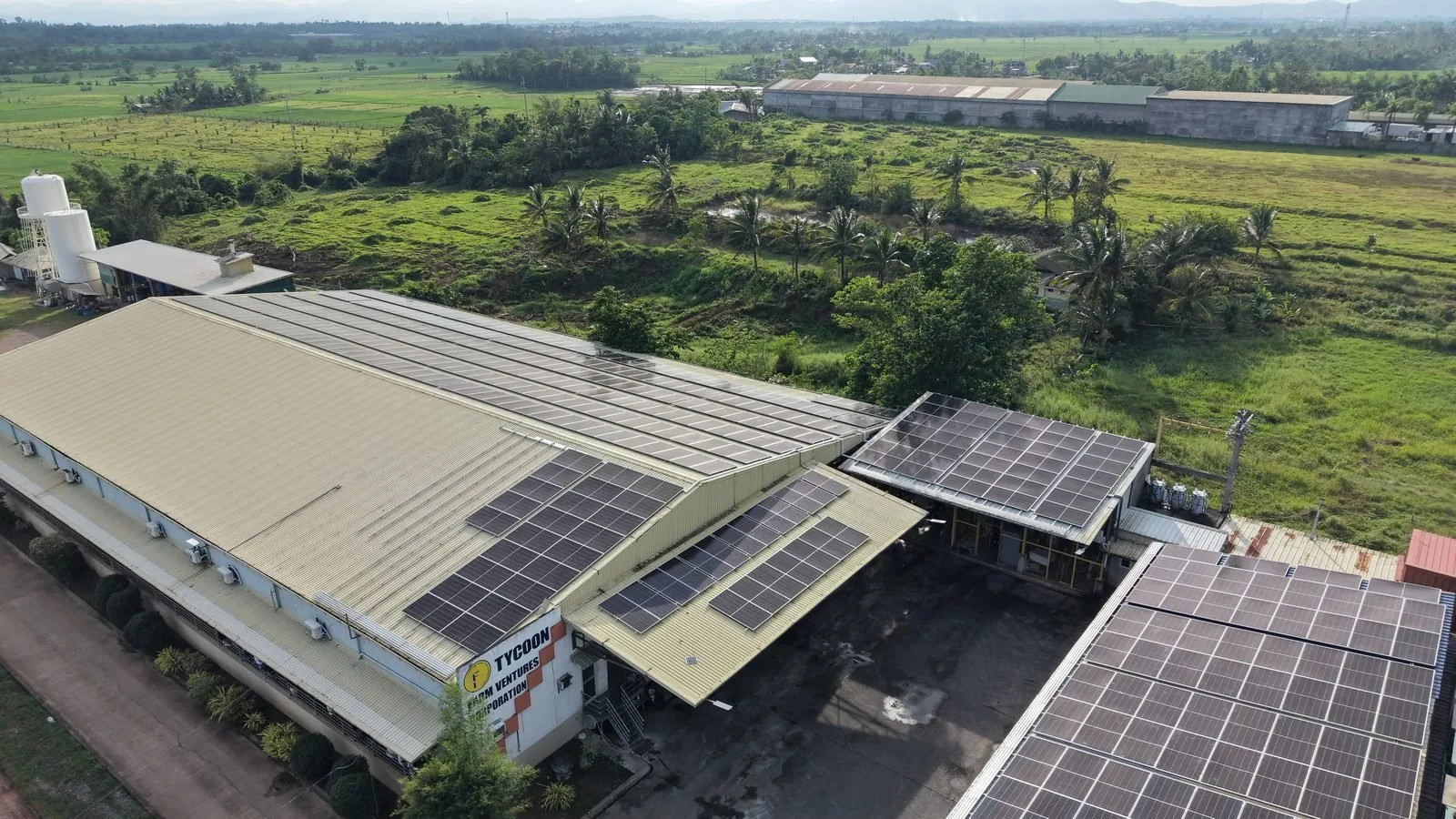
A factory solar system is sized from interval loads, available roof or land, grid conditions and the value of storage. Daytime-heavy production is the strongest solar business case in most export markets.
Final equipment, capacity, model availability and local compliance are confirmed against the project brief and destination.
EQUIPMENT SCOPE
System scope.
A useful proposal names each component and explains how it fits into the complete system.
Component
Selection basis
PV array
Module layout and mounting for site conditions
Inverters
String inverters in parallel, matched to voltage and utility interface
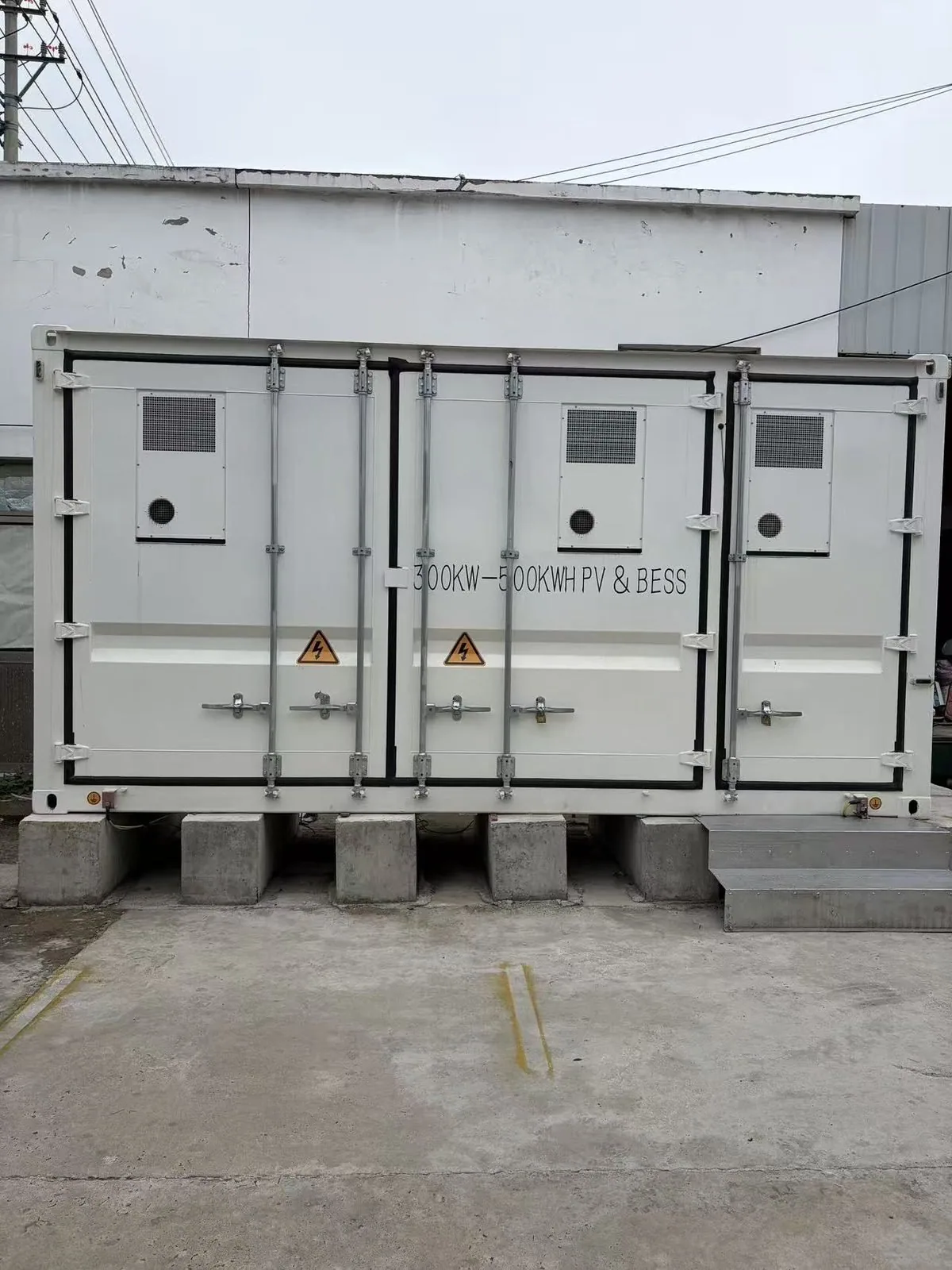
Optional BESS
96kWh–5MWh storage for backup and peak management
Electrical BOS
Protection, distribution, monitoring and documentation
PRODUCT GALLERY
Systems for this application.
Factory and supermarket configurations, from rooftop PV through to outdoor-cabinet storage.
Factory solar system with production loadsSupermarket solar system with refrigeration load
SIZING EXAMPLES
Explore reference capacities.
These combinations follow the supplied product range and are starting points for a load-based proposal.
REFERENCE CONFIGURATION100 kW + 215 kWhFactory or facility reference configurationREFERENCE CONFIGURATION250 kW hybridFarm or factory with outage coverREFERENCE CONFIGURATION400 kW on-gridThree-shift manufacturing reference
Images show product concepts or representative equipment. Exact models, usable capacity, chemistry, ratings, certification and warranty are confirmed in the project bill of materials.
ENGINEERING INPUTS
What we need to size it.
Give us the facts you have; the remaining questions can follow in engineering review.
These answers describe system selection. Final equipment and compliance depend on the agreed model and destination.
When does a factory need BESS?+
When outages stop production, when demand charges punish peaks, or when solar energy must be shifted to a second shift. The value is calculated from your load and tariff.
What documents come with the order?+
Named bill of materials, single-line diagram, model certificates, manuals and inspection records.
How it is sized
Capacity first, then hardware. Working through these steps in order is what keeps a quotation honest — each one narrows the answer the next one depends on.
The load curve comes first
Interval load data, or twelve months of bills, tells you how much solar the factory can consume directly and how much has to be shifted. Nothing else can be sized until that curve is known.
Decide what storage is actually for
On a factory, storage earns its cost in three specific cases: when outages stop production, when demand charges punish peaks, or when solar energy has to be moved to a second shift. If none of those apply, phase one is usually PV alone.
Verify structure before layout
Site plan, roof structure and grid connection govern what can physically be installed and what the utility will permit. They have to be checked before an array capacity figure means anything.
FIT CHECK
Where this fits — and where it does not
Saying what a product is not for is usually more useful than another list of what it can do.
Situation
Verdict
Three-shift plants with heavy daytime consumption
Solar offsets the expensive daytime hours
Sites penalised by demand charges
Peak management is what justifies storage
Plants losing production to outages
Backup is the storage case
Predominantly night-shift load
PV alone cannot serve it — storage becomes essential
Unverified roof structure
Survey first; the structure caps achievable array size
How long does it take to deliver the Solar System for Factory?
End to end, 4–12 weeks. Requirement definition takes 1–3 days, system design 1–2 weeks, production 1–3 weeks, then every unit completes a 72-hour test before shipping, and shipping and installation take 2–6 weeks depending on the destination.
Is the Solar System for Factory configuration fixed?
No. What is shown on this page is the reference configuration for the model — every system is sized against its own load data before it is quoted.
What testing does the Solar System for Factory go through before shipping?
A 72-hour test. It is the fourth of five steps in our delivery process: requirement definition, system design, production, testing, then shipping and installation.
What is included in the Solar System for Factory price?
Every component named on the quotation, plus factory assembly, the 72-hour test, export packing and the documentation set. Not included: sea freight, import duties and taxes, and site labour. Each quotation lists these on separate lines, so you can compare suppliers on the same basis.
Is installation included with the Solar System for Factory?
Not as on-site labour. Our scope: the equipment as specified, tested before it ships, with the drawings and documentation your contractor works from, plus remote commissioning support and spare parts. Your scope: the base and civil works, crane placement, AC cable runs, the grid-connection cabinet and metering, local permits, and the installation labour. We do not keep installation crews abroad, so site work and its cost are quoted by your own contractor or local EPC.
START A PROJECT
Ready to design your solar power system?
Share the site load, location and required backup time. We will define the information needed for a useful proposal.