How to Choose a Solar Power System
Compare grid-tied, off-grid and hybrid architectures before deciding on panels, inverters or batteries.
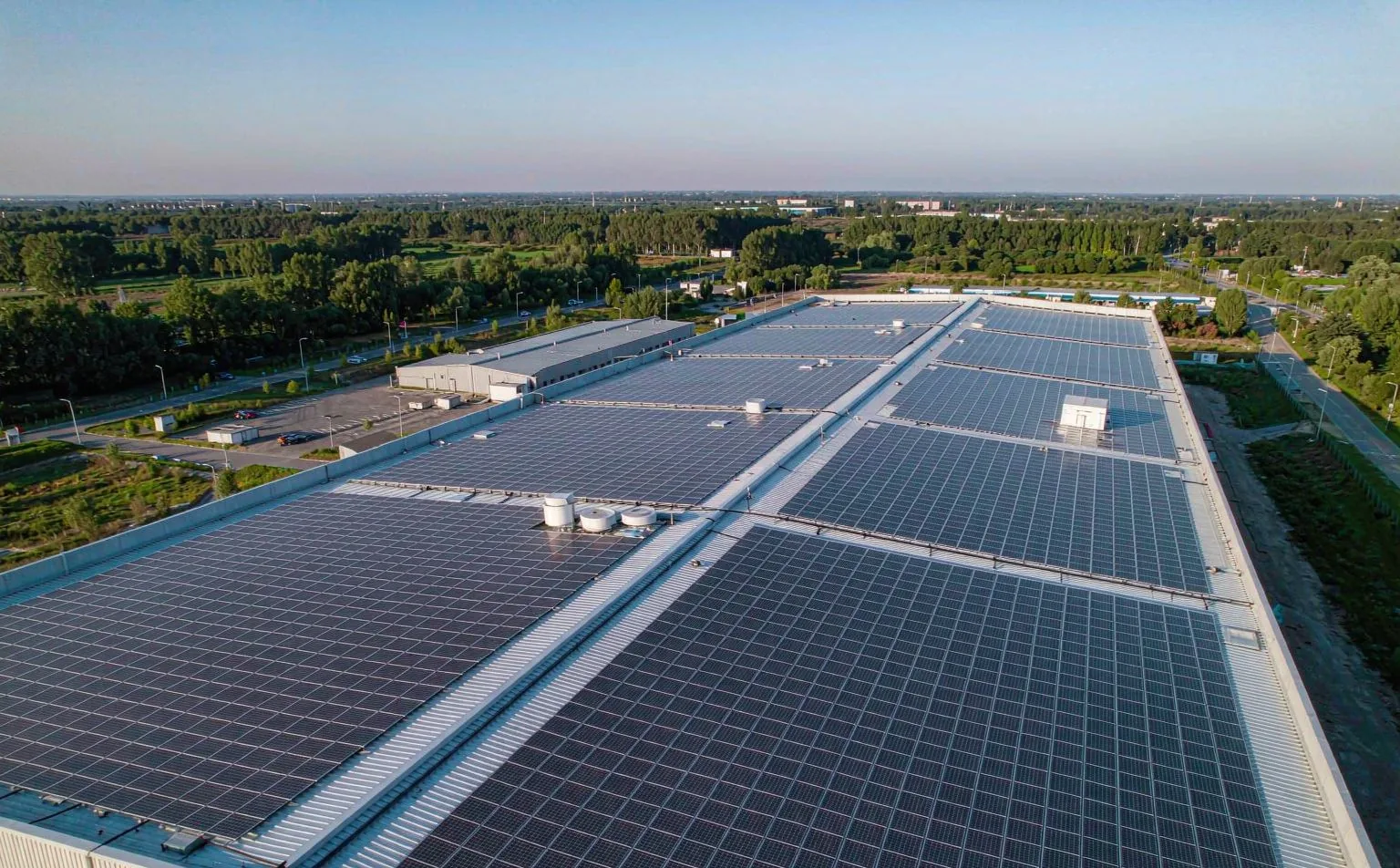
Begin with the grid and the load.
An on-grid system mainly offsets grid electricity. An off-grid system must supply the full load without a utility connection. A hybrid system combines PV, battery and grid operation to support self-consumption and selected backup loads. Each requires a different inverter, storage plan and protection design.
On-grid vs off-grid vs hybrid.
Use this table to narrow the architecture. Final selection still requires site data.
| Question | On-grid | Off-grid | Hybrid |
|---|---|---|---|
| Utility connection | Required | Not required | Normally connected |
| Battery in base design | No | Yes | Yes |
| Standard outage backup | No | System is independent | Selected circuits, if sized |
| Primary design input | Daytime load + grid rules | Daily kWh + peak kW + autonomy | Load profile + backup hours |
| Explore | 100kW system ↗ | Farm off-grid ↗ | Hybrid BESS ↗ |
Read the numbers correctly.
kW describes power at a moment. kWh describes energy used or stored over time. A 100 kW inverter and a 100 kWh battery answer different questions; both ratings are needed when backup is involved.
A complete equipment scope also includes modules, mounting, cabling, protection, monitoring and documentation.
Send these inputs for a useful proposal.
You can start with a bill and site description. Better input data supports better sizing.
- Site location and destination market
- Daily or monthly energy use in kWh
- Peak load in kW and motor starting loads
- Grid phase, voltage, frequency and reliability
- Backup circuits and required hours
- Available roof or ground area
Core solar power system questions
These answers describe system selection. Final equipment and compliance depend on the agreed model and destination.
What is the difference between a solar system and a solar panel?
A panel is one generating component. A complete system includes the inverter, mounting, wiring, protection and optional storage and controls.
Does a larger inverter mean longer backup?
No. Inverter kW sets the power level; usable battery kWh and load determine backup duration.
Should I select a capacity before sharing my bill?
A rough target helps, but a load profile and site conditions are more useful for specifying a system that fits.
Ready to design your solar power system?
Share the site load, location and required backup time. We will define the information needed for a useful proposal.
Request a system proposal