
SOLAR POWER SYSTEMS BATTERY STORAGE EXPORTContact Force Solar ↗
HYBRID SOLAR SYSTEM

150KW 150KVA Hybrid Solar System + 322kWh Storage

A hybrid solar system built around 150kW of inverter power and 322kWh of LFP storage: solar covers the day, the battery carries the evening peak, and critical loads keep running through an outage. Complete solar energy system includes everything for a solar installation: solar panels, solar brackets, solar batteries, solar inverter with mppt controller, cables, MC4 connector. Best solar energy system: 100KW, DC48V to AC 110V~800V, can be customized according to the needs of users.

Request a quoteBrowse all products
150kW hybrid solar system with 322kWh battery storage
Inverter power150kW / 150kVA
Storage322kWh LFP
Backup @ 50% load≈ 3.9 h
ArchitectureHybrid — PV, battery and grid
SPECIFICATIONS

150kW hybrid + 322kWh at a glance.

Final models and ratings are confirmed in the project bill of materials.

ModelFS-HY-150-322
TypeHybrid solar system with battery storage
Rated power150kW / 150kVA
Battery capacity322kWh LiFePO4
PV inputMPPT inputs, array sized to site
Output3-phase 400V
SwitchoverUPS-grade, no interruption to backed-up circuits
CertificatesCE / IEC 62619 · UN38.3 · MSDS (model-specific)
MOQ1 set — OEM & ODM accepted
Lead time15–30 days depending on configuration
Warranty5–10-y battery · 2-y system integration
WHAT THE SYSTEM INCLUDES

One coordinated scope.

Every proposal names each component and its role in the complete system.

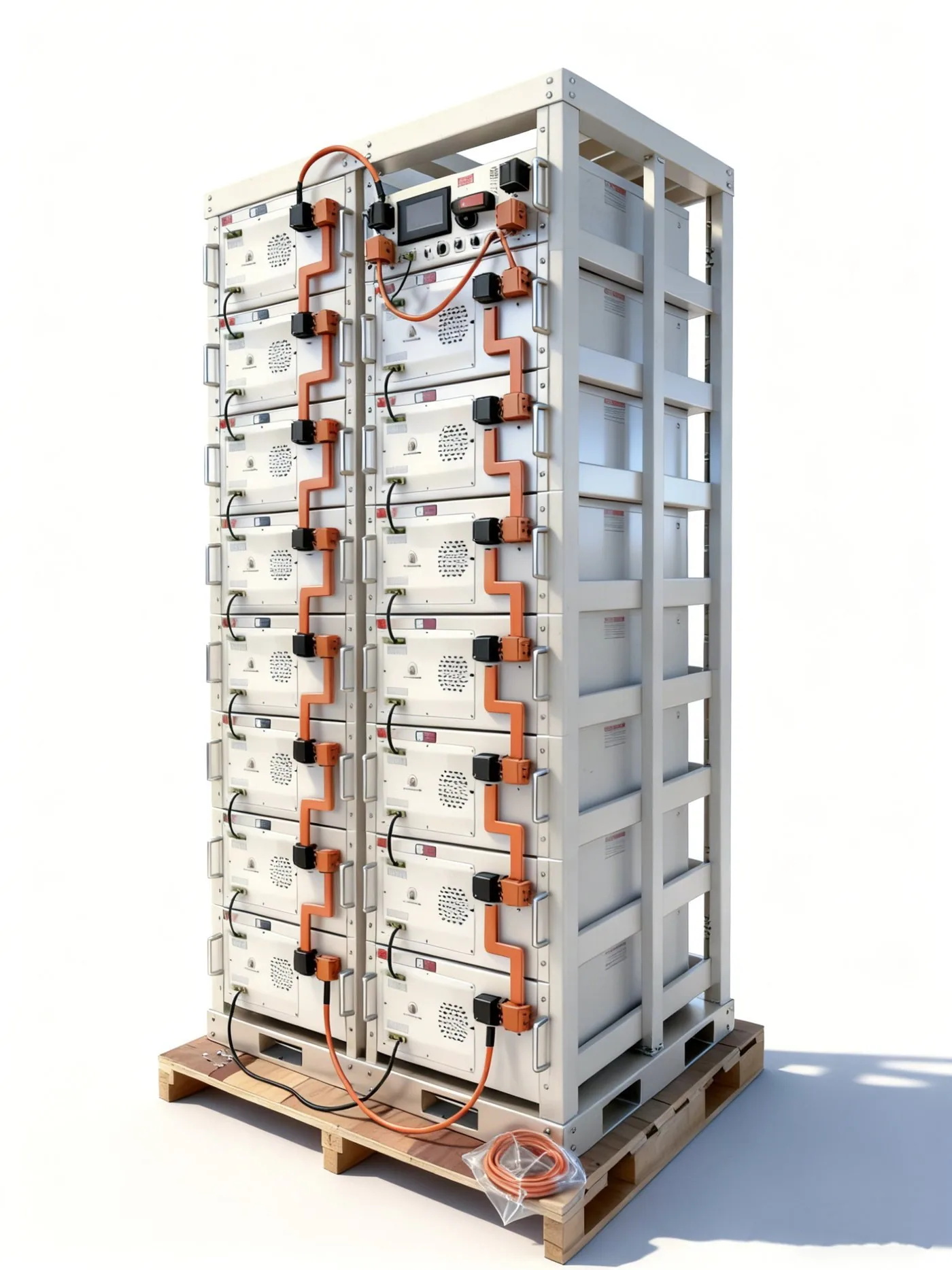
LFP rack modules behind the 322kWh hybrid system
ComponentDetails
Hybrid inverter150kW bidirectional, grid-tied and off-grid modes with generator input
LFP battery bank322kWh of rack modules with BMS and cell-level monitoring
PV arrayModules and mounting sized to the site roof or ground area
Protection & monitoringBreakers, SPD, grounding and remote generation monitoring
DocumentationSingle-line diagram, manuals, certificates and packing list
  • 322kWh carries a 150kW load for about 3.9 hours at half power
  • Solar by day, battery through the evening peak, generator only for long outages
  • Single point of after-sales contact for inverter, battery and PV
  • Factory pre-tested as a complete system before shipment

What a 150kW Hybrid Solar System Can Power

In practice a 150kW hybrid solar system covers loads such as:

For heavy load-shedding, pairing the array with a dedicated 100kW / 215kWh BESS extends night-time autonomy.

  • A 150-250 room hotel with laundry, kitchen and pool pumps
  • A light manufacturing line or packaging plant on two shifts
  • A cold-storage room, water-treatment plant or telecom node
  • A commercial building with lifts, HVAC and IT loads

What a 150kW hybrid system changes

A grid-tied array stops producing the moment the grid fails. A 150kW hybrid keeps the backed-up circuits alive: the inverter island separates from the utility and the 322kWh bank carries the load. The result is not just a lower bill — it is production that does not stop when the feeder drops.

Hybrid also changes the economics of the evening: energy generated at midday is stored instead of exported, which matters wherever export rates are low or net metering is unavailable.

Sizing a 150kW + 322kWh hybrid

Power (kW) is set by the simultaneous load and motor starting; energy (kWh) is set by how long the critical circuits must run. Send the load list and the outage pattern and we will size both, then check the array can recharge the bank within the available sun hours.

PRICE & PAYBACK

What drives the price and the payback.

Industry-typical figures for budget planning. A firm price follows the confirmed bill of materials and destination.

Cost factorTypical figure (2026)
Solar modules$0.28–0.48 per watt FOB, tier-1 supply
Sea freight & landed costTypically +20–35% over FOB to West Africa / Southeast Asia ports
Storage share35–50% of total system cost where batteries are included
Payback3–5 years against grid power; under 18 months when replacing diesel

Reference figures, not an offer. Tariff structure, demand charges, roof condition and destination change every project. Product photographs show factory kit configurations; final equipment appearance, rating, labelling and packing follow the ordered model.

TECHNICAL FAQ

Product FAQ

These answers describe system selection. Final equipment and compliance depend on the agreed model and destination.

What is the difference between a hybrid and an on-grid system?

An on-grid system exports to the utility and shuts down during an outage. A hybrid system adds a battery bank and islanding, so backed-up circuits keep running when the grid fails.

Can the generator stay in the design?

Yes. In many sites the hybrid carries the frequent short outages and the generator remains for the rare long one — fuel and service hours drop sharply.

Can storage be expanded later?

Usually yes, if the inverter and cabinet space allow it. We confirm the expansion path in the electrical design before ordering.

START A PROJECT

Need a custom configuration?

Send the load profile, grid conditions and destination port — we respond with a sized bill of materials.

Request a system proposal
WhatsApp+86 137 0282 0912