
Whole-site backup, or critical-load backup?
The most expensive mistake in a storage specification is not the wrong battery. It is backing up the whole premises by default, when only a fraction of the load actually has to stay on.
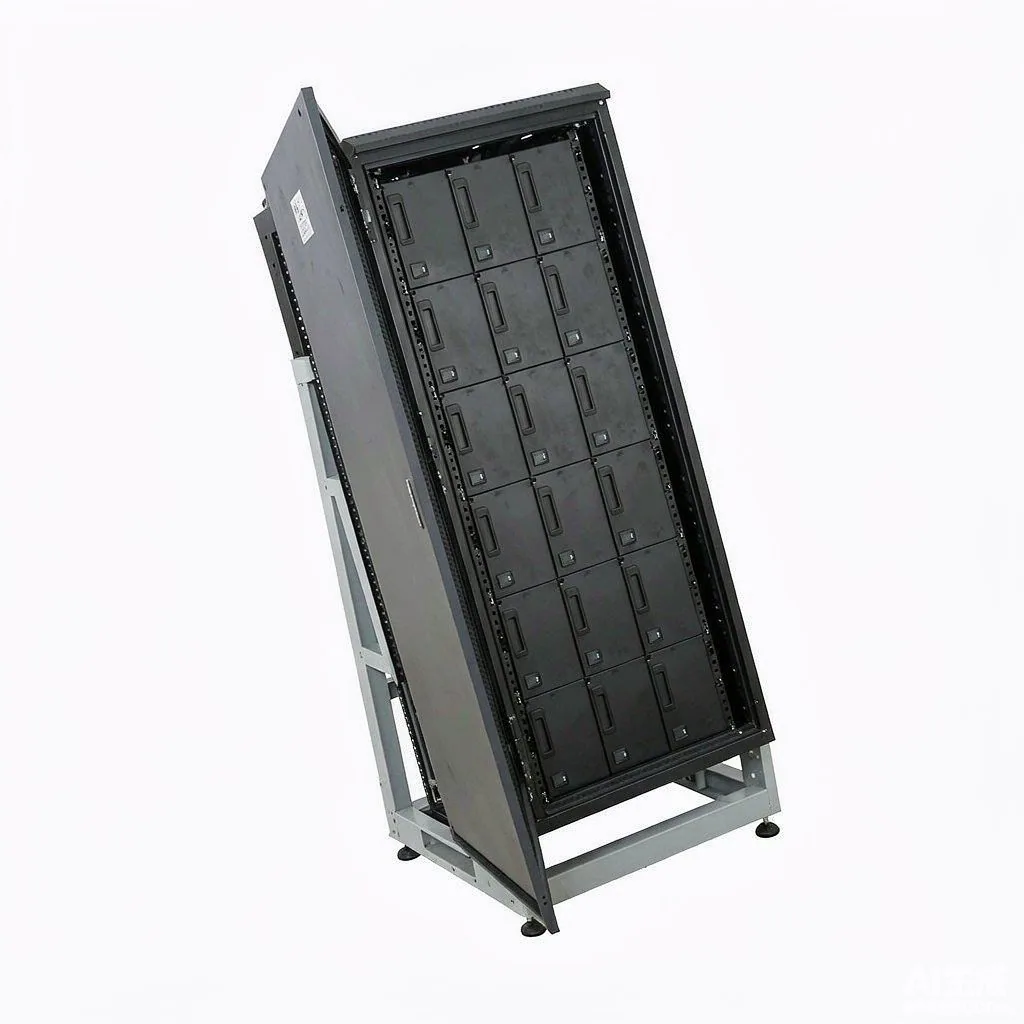
What is the difference between whole-site and critical-load backup?
Whole-site backup sizes the battery and the inverter to carry everything on the premises. Critical-load backup sizes them for the handful of circuits that genuinely cannot stop. On a typical commercial site that difference is about six times the storage, and the same multiple on the price.
Neither is wrong. Whole-site backup is right when every hour of the operation has a cost; critical-load backup is right when only part of it does. The decision belongs to you, and it should be made before the battery is specified — not discovered after.
The two approaches, compared.
Same site, same outage, two very different systems.
| Whole-site backup | Critical-load backup | |
|---|---|---|
| What it carries | Every circuit on the premises | Only the circuits on the backup board |
| What sets the size | The largest load that can run at once, including air conditioning and motors | The critical load, which is usually a small fraction of it |
| Inverter rating | Has to carry the site peak | Carries only the critical circuits |
| Storage | Every load, for the whole backup window | Critical loads only, for the same window |
| Right when | Every hour of downtime costs money — production lines, cold rooms, trading floors | Only part of the operation has to survive the outage |
| Wrong when | It is bought by default, to cover loads nobody priced | A load that was left off turns out to matter |
The same outage, priced both ways.
Assumptions are stated so you can substitute your own. The site is the one used in load and backup hours: a 27 kW daytime peak including air conditioning, and a 4.6 kW critical load once air conditioning and water heating are off the backup board.
| Line | Whole-site | Critical-load | Assumption |
|---|---|---|---|
| Load carried | 27 kW | 4.6 kW | From the load list, not from the nameplate total |
| Energy for 6 hours | 162 kWh | 27.6 kWh | kW × hours |
| Allow for losses | 180 kWh | 30.7 kWh | Divided by 0.9 inverter efficiency |
| Packs needed | 12 × 16 kWh = 192 kWh | 2 × 16 kWh = 32 kWh | Rounded up, not down |
| Battery cost | $15,600–$16,800 | $2,600–$2,800 | At the published single-phase pack price of $1,300–$1,400 per 16 kWh |
| Ratio | About 6× | 1× | Storage, and therefore most of the system |
Battery pricing uses the single-phase range because that is where the pack price is published. Three-phase storage is priced by capacity and is quoted separately — see three-phase system prices.
Whole-site backup also sets the inverter.
Storage is the visible cost. The inverter rating is the one that catches people out, because it has to carry the largest load that can start at once.
| Approach | Inverter has to carry | Consequence |
|---|---|---|
| Whole-site | Every load that can run together, plus the largest motor start | A larger inverter, larger cabling, and a larger distribution board |
| Critical-load | Only the backup board | A smaller inverter, and the site peak stays on the grid or the generator |
This is why moving air conditioning off the backup board changes more than the battery count: it changes the inverter rating, the cabling and the board as well.
Four questions that settle it.
Answer them in order. The first “no” usually ends the discussion.
| Question | If yes | If no |
|---|---|---|
| Does every hour of downtime cost money? | Whole-site backup is worth pricing | Go to the next question |
| Is there a load that cannot stop, at any price? | That load goes on the backup board regardless | Go to the next question |
| Is the outage window long enough that a generator cannot cover it? | Storage has to carry the critical load for that window | A generator may be the cheaper layer |
| Would the whole-premises system pay back inside the asset life? | Buy it | Buy the critical-load version and stage the rest |
Send the load list, get both options priced.
We will price the critical-load version and the whole-premises version side by side, with the assumption behind each stated. You choose.
Request both options- How to calculate load and backup hours — the arithmetic behind this page
- Solar battery cost per kWh — what the packs cost
- Three-phase system prices by size — published configurations
Frequently asked questions
Is critical-load backup always cheaper?
Almost always, because it carries less. The exception is a site where every load genuinely has to run — in which case the whole-premises system is not a luxury, it is the specification.
Can I start with critical-load and add whole-site later?
Often yes, if the inverter and the battery management system were specified for expansion from the start. Say so at the quotation stage — adding parallel capacity later is a different job from installing it on day one.
What usually ends up on the backup board?
Refrigeration and cold rooms, network and servers, security lighting and gates, and whatever production line cannot be restarted cheaply. Air conditioning and water heating are usually the first to come off.
Does the generator still have a role?
Usually yes, for the hours and the surge loads that storage cannot cover. Whole-site backup does not remove the generator; it changes how often it runs.
How do I know which loads are critical?
Price the downtime. If an hour without a given load costs more than the storage needed to carry it, that load is critical. That is a business number, not a technical one.
What if I do not know my load split?
Send the appliance list with running watts and hours. Splitting it into critical and deferrable is the first thing we do with it, and it is usually the largest single saving available.
Decide the board, then the battery.
Send the load list. We will tell you which circuits belong on the backup board and what that does to the system price.
Request both options