
Short answer
For a solar system in Ghana the decisive question is how many diesel hours the storage removes. A hotel peaks in the evening (air conditioning, kitchen, water heating), so the battery is sized in kilowatt-hours against that evening curve and the array has to refill it within the available sun hours. A farm peaks in daytime, so the design is matched in kilowatts to motor starting and can run largely on direct solar with a smaller bank for the cold room.
We are not going to print a Ghanaian tariff in this article. Published rates are revised regularly, they vary by customer class and by whether the site is on a maximum-demand tariff, and a figure that is right today will mislead someone reading this next year. Your own invoice is the only number worth designing against.
What is worth printing is the method. For hotels and farms the decisive question is never "how many panels fit" — it is how many diesel hours the storage removes. Get that wrong and a solar system in Ghana ends up as an expensive daytime supplement to a generator that still runs every night.
Two profiles, two completely different systems
A hotel load peaks in the evening: air conditioning, kitchen, lighting, water heating — all after the sun is down. A farm load peaks in the day: irrigation pumps, cold room compressors, processing equipment, all while the array is producing.
The hotel needs storage sized in kilowatt-hours against an evening curve, and the array has to be large enough to recharge that bank within the available sun hours the next day. The farm needs power — kilowatts — matched to motor starting, and can often run largely on direct solar with a smaller bank for the cold room.
Same country, same equipment catalogue, opposite designs. Any quote that offers both sites the same architecture has not read either load.
| Load profile | When it peaks | What sets the design | Storage role |
|---|---|---|---|
| Hotel and resort | Evening: air conditioning, kitchen, lighting, water heating | Battery energy (kWh) against the evening curve | Carries the evening peak; array must refill it next day |
| Farm and irrigation | Daytime: pumps, cold room compressors, processing | Power (kW) matched to motor starting | Smaller bank; direct solar carries most of the load |
Worked example, not a measurement of your site: a 100 kVA generator at roughly half load for six evening hours is closer to 300 kWh of usable energy than 600 kWh.
The calculation that decides the battery
Take the diesel hours you want to remove, and convert them to energy before you look at any battery datasheet:
Required kWh ≈ generator kW × load factor × hours to cover ÷ inverter efficiency
A 100 kVA generator running at roughly half load for six evening hours is not a 600 kWh requirement — it is closer to 300 kWh of usable energy, and less again if the load factor is lower. Then check the other direction: can the array recharge that bank tomorrow? A bank that cannot be refilled within the available sun hours simply moves the generator run to the following morning.
Both directions have to work. This is the single most common failure we see in storage design — a bank sized to the night, with no array left over to refill it.
Where hybrid beats generator-only, and where it does not
Hybrid wins when outages are frequent and short, and when the evening load is substantial but bounded. The bank absorbs the daily dips, the generator stays for the rare long one, and fuel and service hours fall sharply.
Hybrid struggles when the site expects multi-day continuity from batteries alone, or when the load includes large motor starts that were never surveyed. Oversizing storage to cover a rare three-day outage costs more than keeping the generator and maintaining it properly. That is a legitimate answer, and it should be stated as one rather than sold around.
Site conditions that actually bite
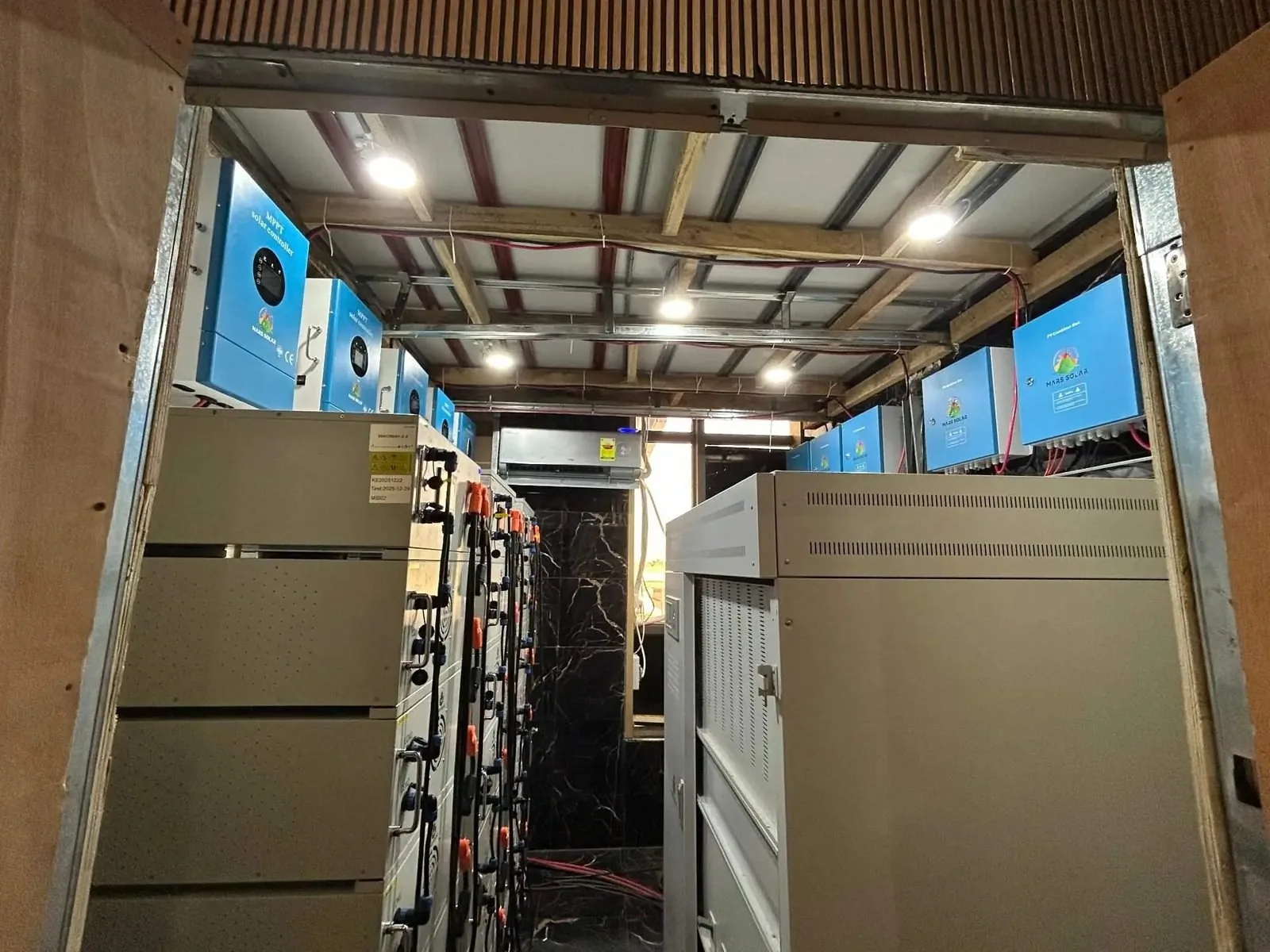
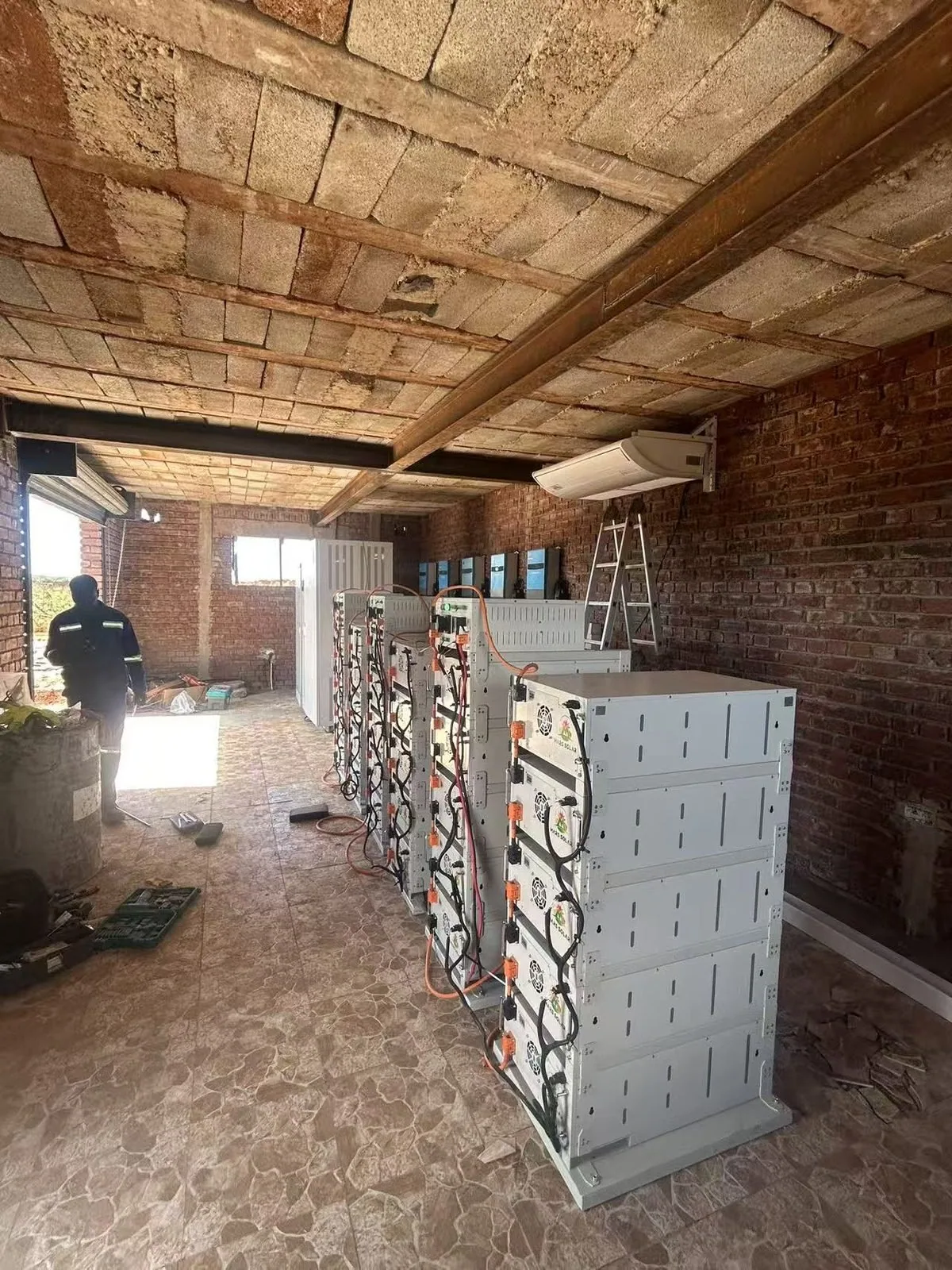
Heat, dust and humidity do more damage to a poorly specified system than to a well specified one. Battery rooms need ventilation and a temperature range the manufacturer will warrant. Inverters need derating checked against ambient temperature, not just nameplate power. Coastal sites need corrosion considered in the mounting and enclosure specification.
None of this is exotic. It is a checklist, and it is the part that separates a system still performing in year five from one that needs attention in year two.
Tariffs deliberately omitted — published Ghanaian rates change often and vary by customer class, so use your own invoice instead. For licensing and technical requirements on renewable installations, check the Energy Commission of Ghana. Generator fuel and service figures in this article are worked examples, not measurements of your site.
Frequently asked questions
Why does this article not print a Ghanaian tariff?
Published rates are revised regularly, they vary by customer class and by whether the site is on a maximum-demand tariff, and a figure that is right today would mislead someone reading next year. Your own invoice is the only number worth designing against.
What is the decisive question for a solar system in Ghana?
How many diesel hours the storage removes. Get that wrong and the system ends up as an expensive daytime supplement to a generator that still runs every night.
Why do a hotel and a farm need different designs?
A hotel peaks in the evening, so the battery is sized in kilowatt-hours against that evening curve and the array has to refill it within the next day sun hours. A farm peaks in daytime, so it needs power matched to motor starting and can run largely on direct solar with a smaller bank for the cold room.
How do you convert diesel hours into battery capacity?
Required kWh is approximately generator kW times load factor times hours to cover, divided by inverter efficiency. A 100 kVA generator at roughly half load for six evening hours is closer to 300 kWh of usable energy than 600 kWh. Then check the other direction: the array has to recharge that bank the next day.
When does hybrid beat generator-only, and when does it not?
Hybrid wins when outages are frequent and short and the evening load is substantial but bounded. It struggles when a site expects multi-day continuity from batteries alone, or when the load includes large motor starts that were never surveyed. Oversizing storage for a rare three-day outage usually costs more than keeping and maintaining the generator.
Which site conditions shorten a system life?
Heat, dust and humidity. Battery rooms need ventilation and a temperature range the manufacturer will warrant, inverters need derating checked against ambient temperature rather than nameplate power, and coastal sites need corrosion considered in the mounting and enclosure specification.
Send this, get a real design
- Generator size, monthly fuel litres and hours run
- Which circuits must stay on, and for how long
- Monthly kWh and peak demand from your bills
- Site photos, roof or ground area, and grid voltage and phase
Send them to info@forcesolarpower.com or over WhatsApp. Related: 100KVA 100kW+215kWh BESS, rack battery 50–500 kWh, solar systems for hotels.
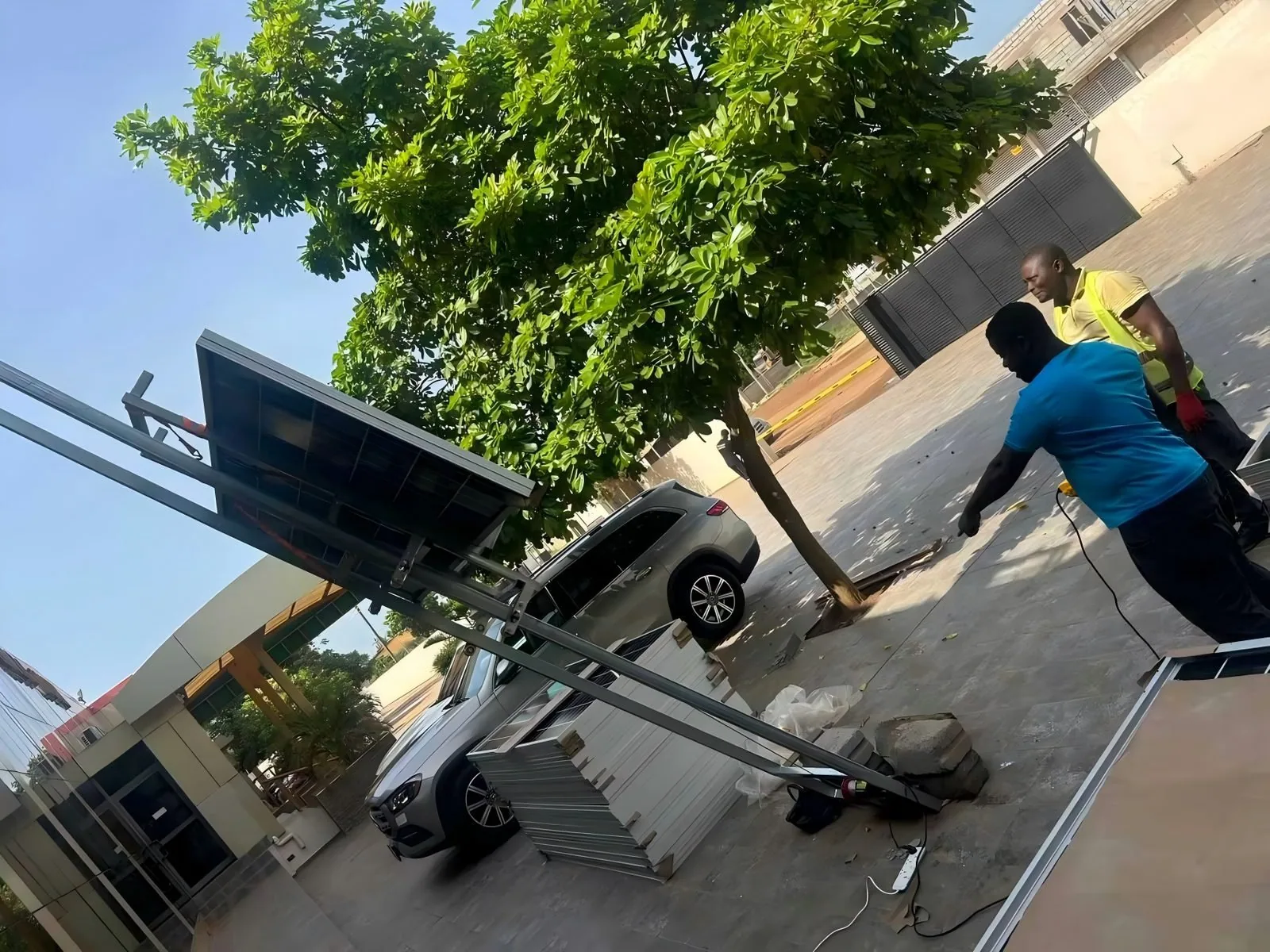
Photographs from Force Solar installation records. Figures describe the referenced project configuration; every new system is sized against its own load data.