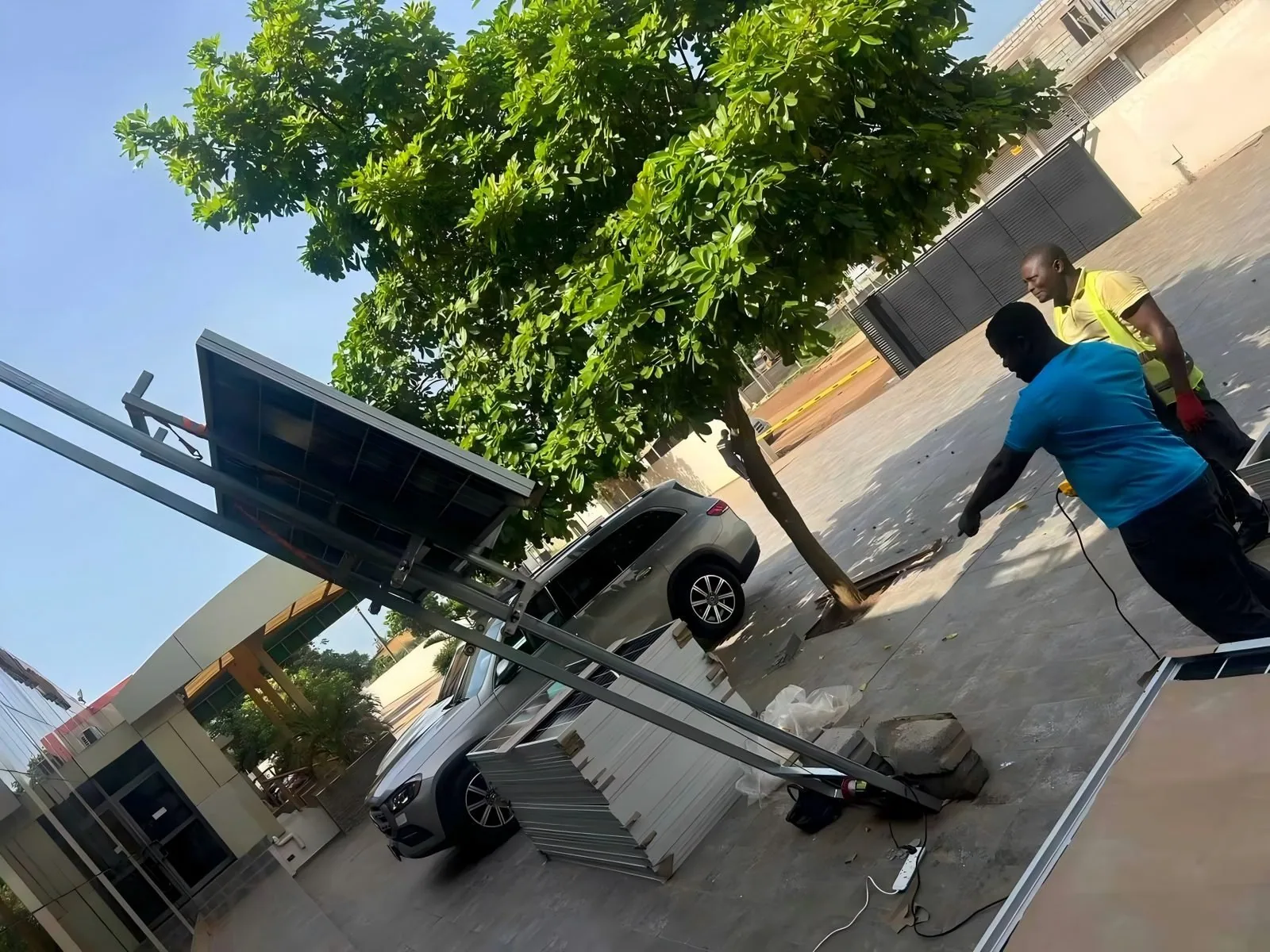
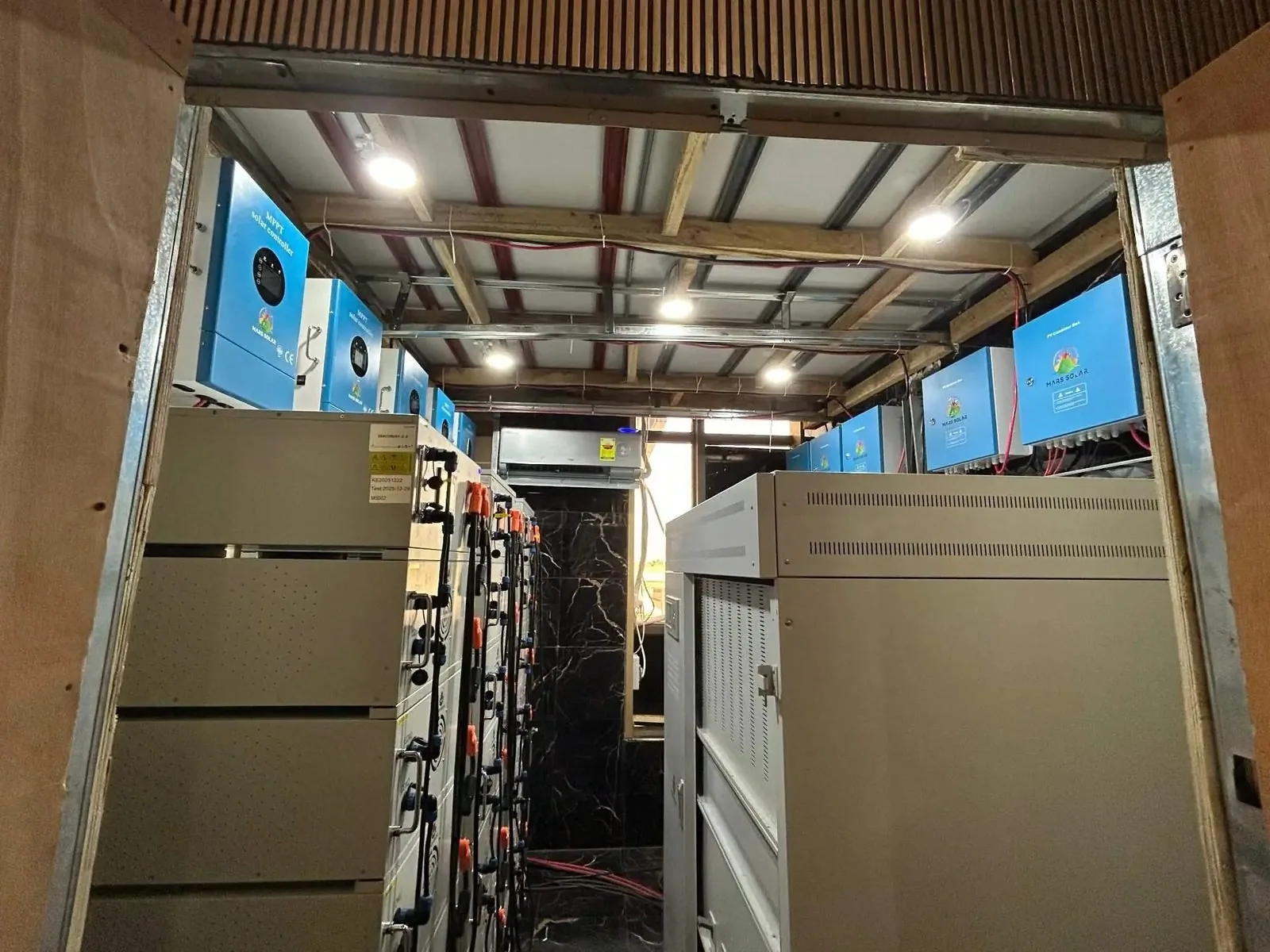
Hotels run around the clock and cannot show the guest a power cut. The design centres on evening load, backup circuits and quiet operation — solar offsets the day, the battery carries the night gaps and the generator stays off.
Final equipment, capacity, model availability and local compliance are confirmed against the project brief and destination.
EQUIPMENT SCOPE
System scope.
A useful proposal names each component and explains how it fits into the complete system.
Component
Selection basis
PV array
Roofs, carports and ground areas around the property
Hybrid inverters
Quiet operation, seamless switchover
Battery storage
Sized to evening peak and outage pattern
Generator coordination
Diesel becomes the last resort, not the daily answer
PRODUCT GALLERY
Systems for this application.
Hotel and school configurations — evening-peak storage with daytime hotel loads.
School solar system with classroom loads30kW with 60kWh battery — a typical hotel-scale block
SIZING EXAMPLES
Explore reference capacities.
These combinations follow the supplied product range and are starting points for a load-based proposal.
Images show product concepts or representative equipment. Exact models, usable capacity, chemistry, ratings, certification and warranty are confirmed in the project bill of materials.
ENGINEERING INPUTS
What we need to size it.
Give us the facts you have; the remaining questions can follow in engineering review.
These answers describe system selection. Final equipment and compliance depend on the agreed model and destination.
Will guests notice switchover to battery?+
A correctly designed hybrid system transfers in milliseconds — lights and IT do not flicker.
How much can a hotel save?+
That depends on tariff and diesel use. Island and resort properties replacing diesel often see the fastest payback of any sector.
How it is sized
Capacity first, then hardware. Working through these steps in order is what keeps a quotation honest — each one narrows the answer the next one depends on.
Profile the evening, not the day
On a hotel the expensive hours arrive when occupancy and cooling peak and solar has stopped. Twelve months of bills plus the occupancy pattern together show how large that evening block really is.
List the guest-visible loads
Rooms, kitchen, laundry and water pumps are the circuits whose interruption a guest notices. That list — not the total connected load — is what sizes the battery.
Reposition the generator rather than remove it
Once generator size and fuel cost are known, the hybrid design can treat diesel as the last resort instead of the daily answer. That is what lets the battery be sized for ordinary evenings rather than for the worst possible week.
FIT CHECK
Where this fits — and where it does not
Saying what a product is not for is usually more useful than another list of what it can do.
Situation
Verdict
Properties where evening occupancy drives the peak
Four readings worth having before you ask for a quote.
A hotel system is sized from how the property is actually used, not from its floor area. These four readings are what turn a description into a design.
What to measure, and what each one decides
Reading
Where it comes from
What it decides
Evening and overnight consumption
The meter, read across the evening block
Storage capacity
Outage frequency and duration
The generator log, or the staff who remember
Backup hours and whether the generator stays
Guest-visible loads
A walk-through of rooms, kitchen, laundry and public areas
What goes on the backup board
Air conditioning profile
When it runs and at what set-point
Usually the largest single load, and usually the first to be repositioned
PHASING
What most properties install first.
Few hotels build the whole system in one order. The sequence matters, because each stage has to work on its own.
Start where the complaint is
If the problem is the diesel bill, the array comes first and the bank can follow. If the problem is outages and guest complaints, storage is the point and the array is sized to refill it. Those are different first orders.
Keep the generator
Repositioning it rather than removing it is the usual outcome. It becomes the answer to the rare long outage rather than something that runs every evening, which is where the fuel saving actually comes from.
Size the first stage for the second
If more capacity is likely later, say so at quotation stage. The inverter and the battery platform have to be chosen for it; retrofitting expandability is a different and more expensive job. Larger properties are three-phase territory — published three-phase configurations give the order of magnitude.
Frequently asked questions
How long does it take to deliver the Solar Power System for Hotel?
End to end, 4–12 weeks. Requirement definition takes 1–3 days, system design 1–2 weeks, production 1–3 weeks, then every unit completes a 72-hour test before shipping, and shipping and installation take 2–6 weeks depending on the destination.
Is the Solar Power System for Hotel configuration fixed?
No. What is shown on this page is the reference configuration for the model — every system is sized against its own load data before it is quoted.
What testing does the Solar Power System for Hotel go through before shipping?
A 72-hour test. It is the fourth of five steps in our delivery process: requirement definition, system design, production, testing, then shipping and installation.
What is included in the Solar Power System for Hotel price?
Every component named on the quotation, plus factory assembly, the 72-hour test, export packing and the documentation set. Not included: sea freight, import duties and taxes, and site labour. Each quotation lists these on separate lines, so you can compare suppliers on the same basis.
Is installation included with the Solar Power System for Hotel?
Not as on-site labour. Our scope: the equipment as specified, tested before it ships, with the drawings and documentation your contractor works from, plus remote commissioning support and spare parts. Your scope: the base and civil works, crane placement, AC cable runs, the grid-connection cabinet and metering, local permits, and the installation labour. We do not keep installation crews abroad, so site work and its cost are quoted by your own contractor or local EPC.
START A PROJECT
Ready to design your solar power system?
Share the site load, location and required backup time. We will define the information needed for a useful proposal.