
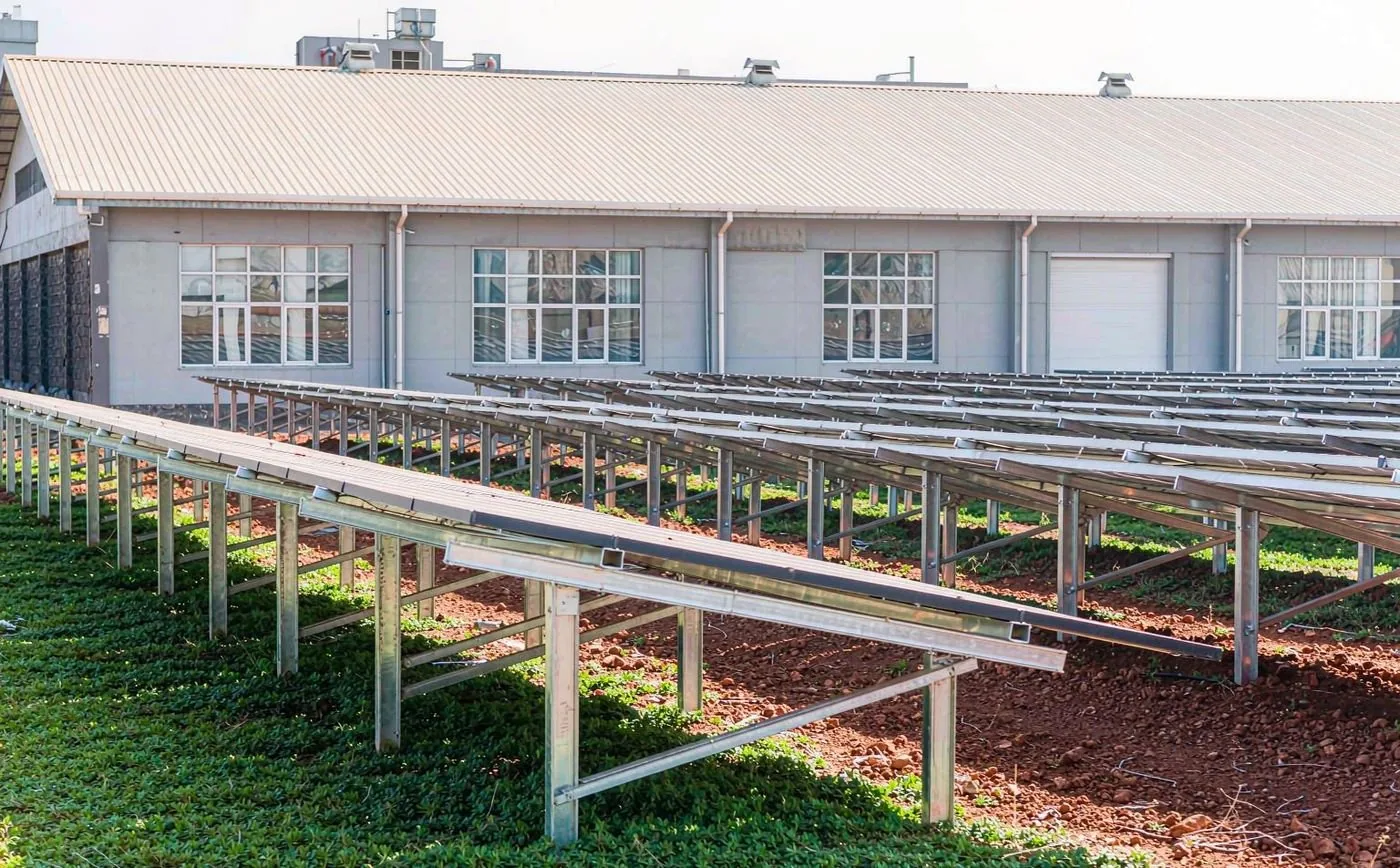
Short answer
Sizing a solar power system for a Nigerian factory starts by pricing the kilowatt-hour you are replacing. Grid power runs at published band rates — Band A around ₦209.5/kWh, commercial and industrial tariffs roughly ₦100–₦230/kWh — while diesel at ₦1,100–₦1,500 per litre and about 3.5 kWh per litre lands near ₦310–₦430 per kWh before servicing. Solar displaces the most expensive unit first, and whether an outage stops production is what decides hybrid with storage versus grid-tied.
Most solar quotes for Nigerian factories start in the wrong place. They start with roof area, or with a round number someone heard from another plant. Neither tells you what the system will actually save.
A solar power system in Nigeria is bought to replace one of three things: grid kilowatt-hours at your band tariff, diesel kilowatt-hours from the generator you are running anyway, or production hours you lose when neither is available. Those three have very different costs, and until they are separated, no capacity number means anything.
Step one: price the kilowatt-hour you are replacing
Grid power in Nigeria is sold in bands set by the feeder, not chosen by the customer. Band A — feeders guaranteed 20+ hours of supply a day — sits at a cost-reflective ₦209.5/kWh under the NERC MYTO order that took effect in late 2025 and held through mid-2026. Bands B to E are cheaper per unit but come with fewer guaranteed hours. Commercial and industrial customers on maximum-demand tariffs see roughly ₦100–₦230/kWh depending on the DisCo and band.
Those are published band figures, not a measurement of your site. Your own bill is the anchor; the band table only tells you whether your bill is typical.
Diesel is the second number. At ₦1,100–₦1,500 per litre and a realistic yield of about 3.5 kWh per litre, fuel alone lands near ₦310–₦430 per kWh — before servicing, oil and the generator's own replacement. That is the arithmetic that makes daytime solar attractive even where the grid is comparatively cheap: solar displaces the expensive kilowatt-hour first.
Sources: NERC MYTO band tariff (Nov 2025 order, in force Dec 2025); fuel prices from public Nigerian fuel price trackers, July 2026. Both are public ranges, not measurements of your site — substitute your own bill and fuel invoices before committing to a design.
| Source | Indicative cost | What it decides |
|---|---|---|
| Grid power, Band A feeder | About ₦209.5/kWh, 20+ hours supply | Cost play: shave the daytime peak, keep the generator for long outages |
| Grid power, Bands B–E | Roughly ₦100–₦230/kWh, fewer guaranteed hours | Continuity play: storage earns its cost, a purely grid-tied design disappoints |
| Diesel generation | About ₦310–₦430 per kWh of fuel alone | Displaced first, before any grid unit |
| Solar self-consumption | Daytime production hours only | Cheapest unit, but only while the factory is running |
Published ranges from NERC MYTO band tariffs (Nov 2025 order) and public Nigerian fuel price trackers (July 2026) — substitute your own bill and fuel invoices before committing to a design.
Why the feeder band changes the whole business case
Two factories with identical loads can reach opposite conclusions, purely because of which feeder serves them.
A Band A customer pays the most per grid unit but gets predictable hours. Solar there is mainly a cost play: shave the daytime peak, cut the bill, keep the generator for rare long outages.
A Band D or E customer pays far less per grid unit and gets far fewer hours. Solar there is a continuity play: the grid unit being replaced is cheap, but the diesel unit replacing it during the outage window is not. That is where storage earns its cost — and where a purely grid-tied design will disappoint, because it shuts down exactly when the grid does.
Size against the load curve, not the roof
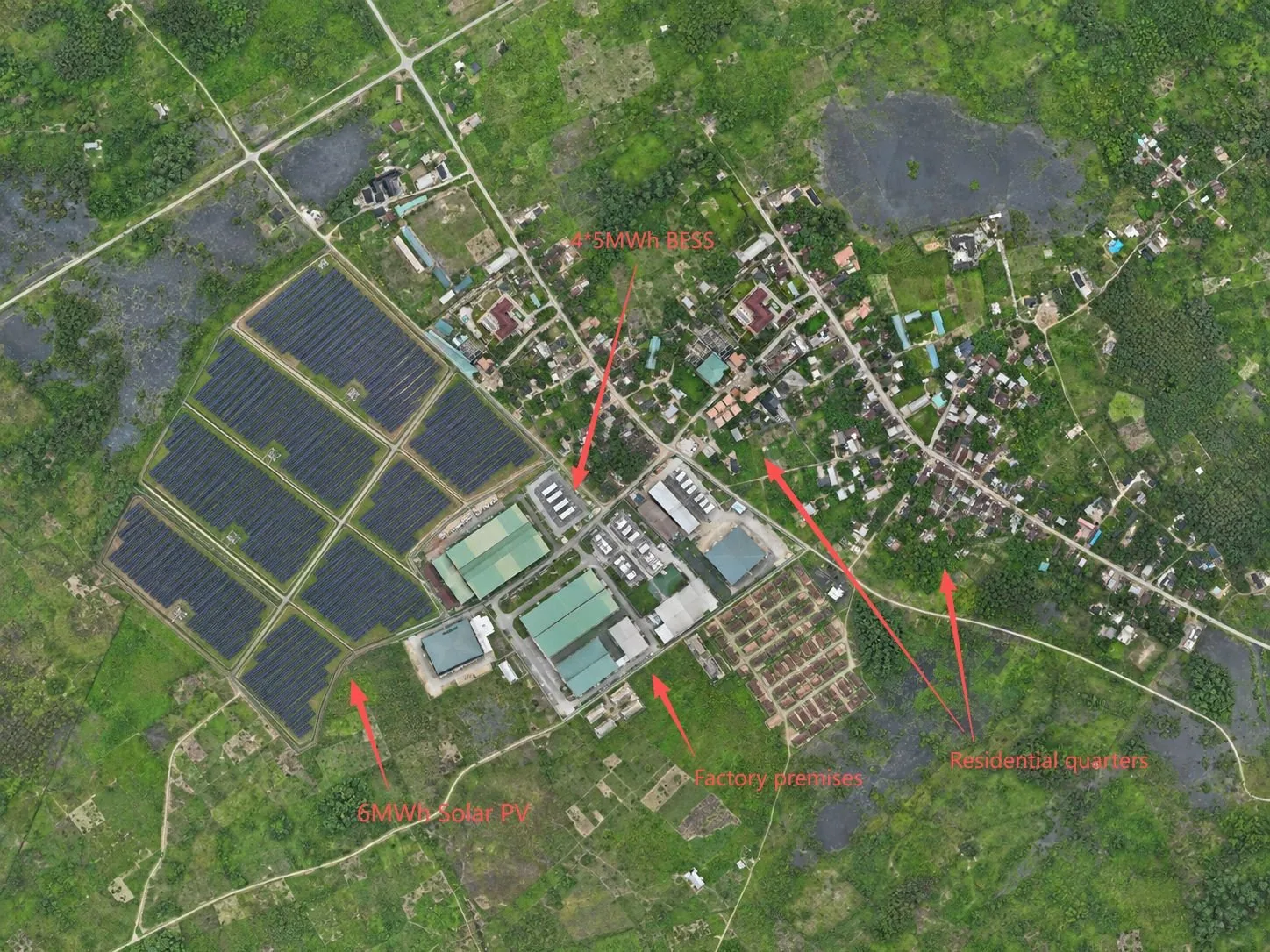
Roof area sets the ceiling on what is physically possible. The load curve sets what is worth installing. They are not the same number, and confusing them is how factories end up with an array that looks right on a drawing and underperforms on a bill.
What matters: the simultaneous load during production hours, motor starting currents, which circuits must survive an outage, and how long they must survive it. Power (kW) is set by the first two. Storage (kWh) is set by the last two. A 300 kW array with no battery and a 150 kW array with four hours of storage solve completely different problems, and one of them is usually wrong for a given plant.
Hybrid or grid-tied: the decision rule
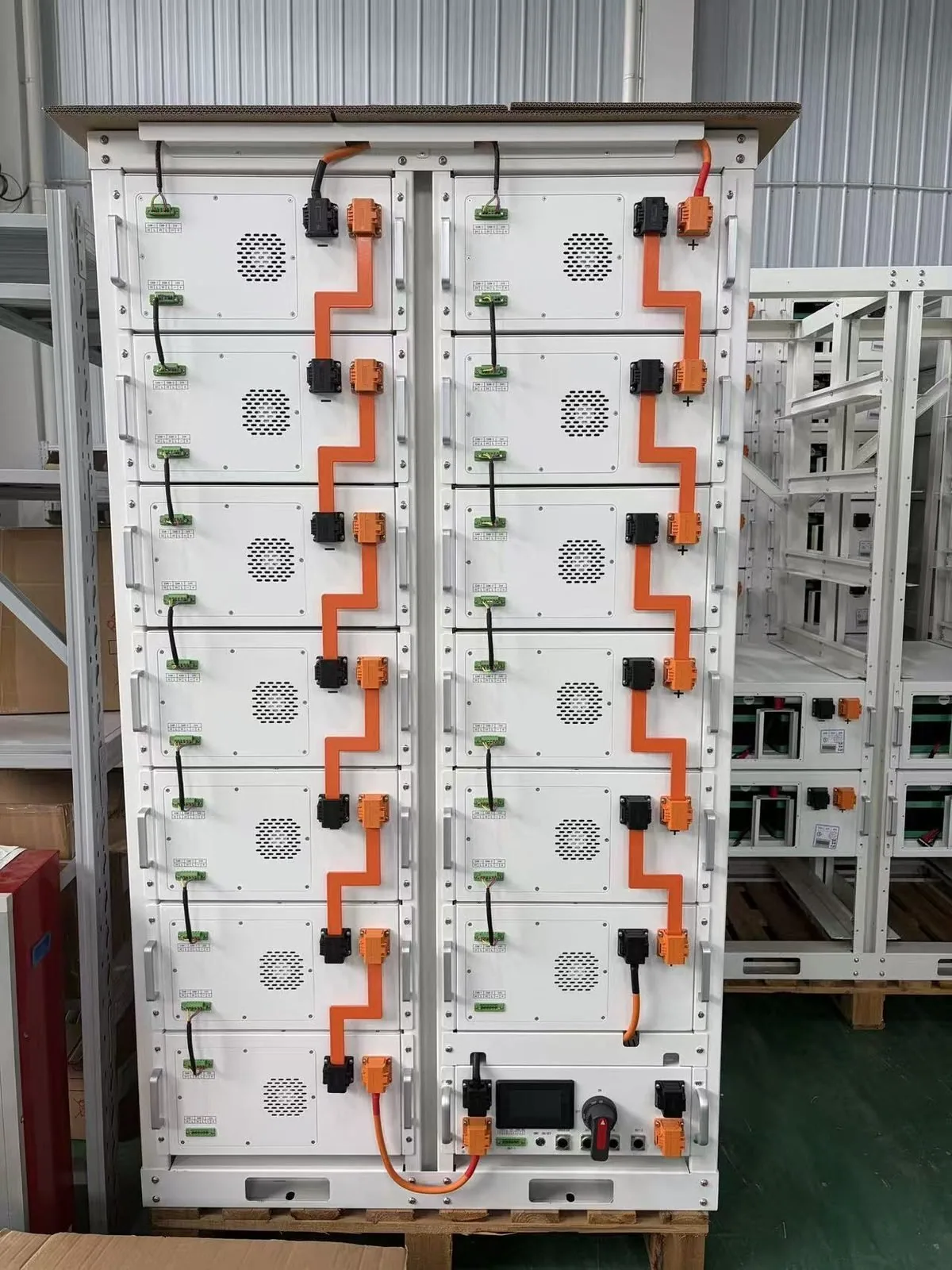
The rule is short. If an outage stops production, you need hybrid with storage. If an outage is an inconvenience, grid-tied is enough and the money is better spent on more array.
Hybrid adds a second question that grid-tied systems never face: cycle count. A battery bank that covers four hours of critical load every night is doing far more work than one that catches occasional dips, and the warranty terms — cycles, depth of discharge, end-of-life capacity — are what actually determine when it gets replaced. Ask for those terms in writing before comparing prices.
What to send us for a real quote
Four things turn a rough estimate into an engineered scope:
- Three to twelve months of electricity bills, plus your band or maximum-demand tariff
- Generator size, monthly fuel spend and hours run
- The load list: what must stay on during an outage, and for how long
- Roof or ground area, plus grid voltage and phase at the site
With those we can name the architecture — grid-tied, hybrid, or hybrid with a generator kept in the design — and give you a bill of materials you can check line by line. Capacity and model numbers are confirmed after engineering review, not before.
Send the load list or drawings to info@forcesolarpower.com, or message the engineering team on WhatsApp. Related reading: 300kW solar system, 125KVA 125kW+261kWh BESS, solar systems for factories.
Photographs from Force Solar installation records. Figures describe the referenced project configuration; every new system is sized against its own load data.