
Short answer
Cold storage solar is sized from the compressor list first, not from the monthly bill. Simultaneous compressor starting current sets the inverter and battery power rating (kW); the backup-hours target — 2 hours, 4 hours or overnight — sets the battery energy (kWh). Thermal mass buys coasting time, but only as much as the insulation, door traffic and how full the room is will allow.
Cold storage facilities look simple on a bill: a steady block of refrigeration load, day and night. In engineering terms they are anything but simple. Compressors start with a surge several times their running power, the product inside the room carries real financial value, and an outage at the wrong hour can cost more than a year of electricity savings.
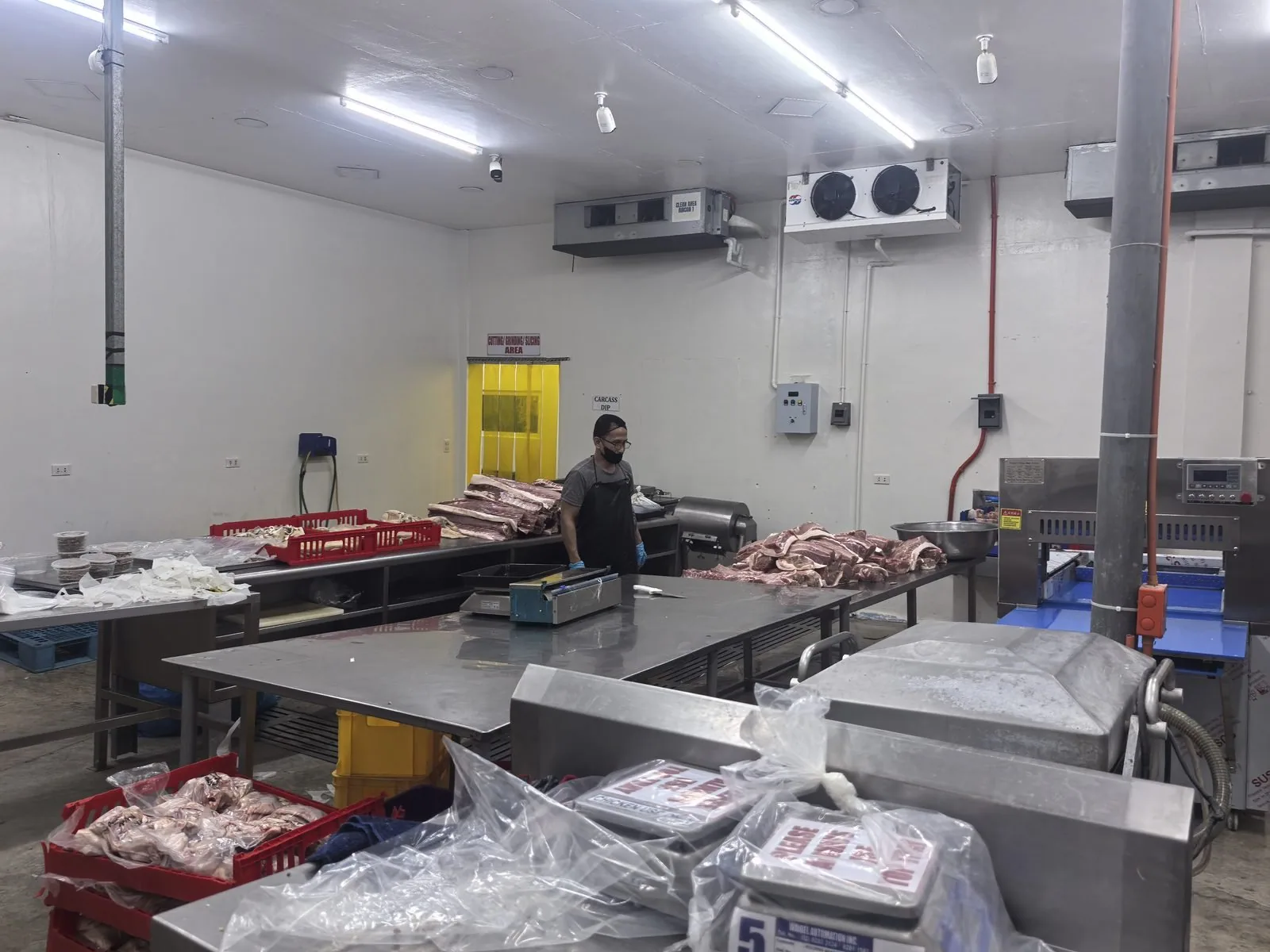
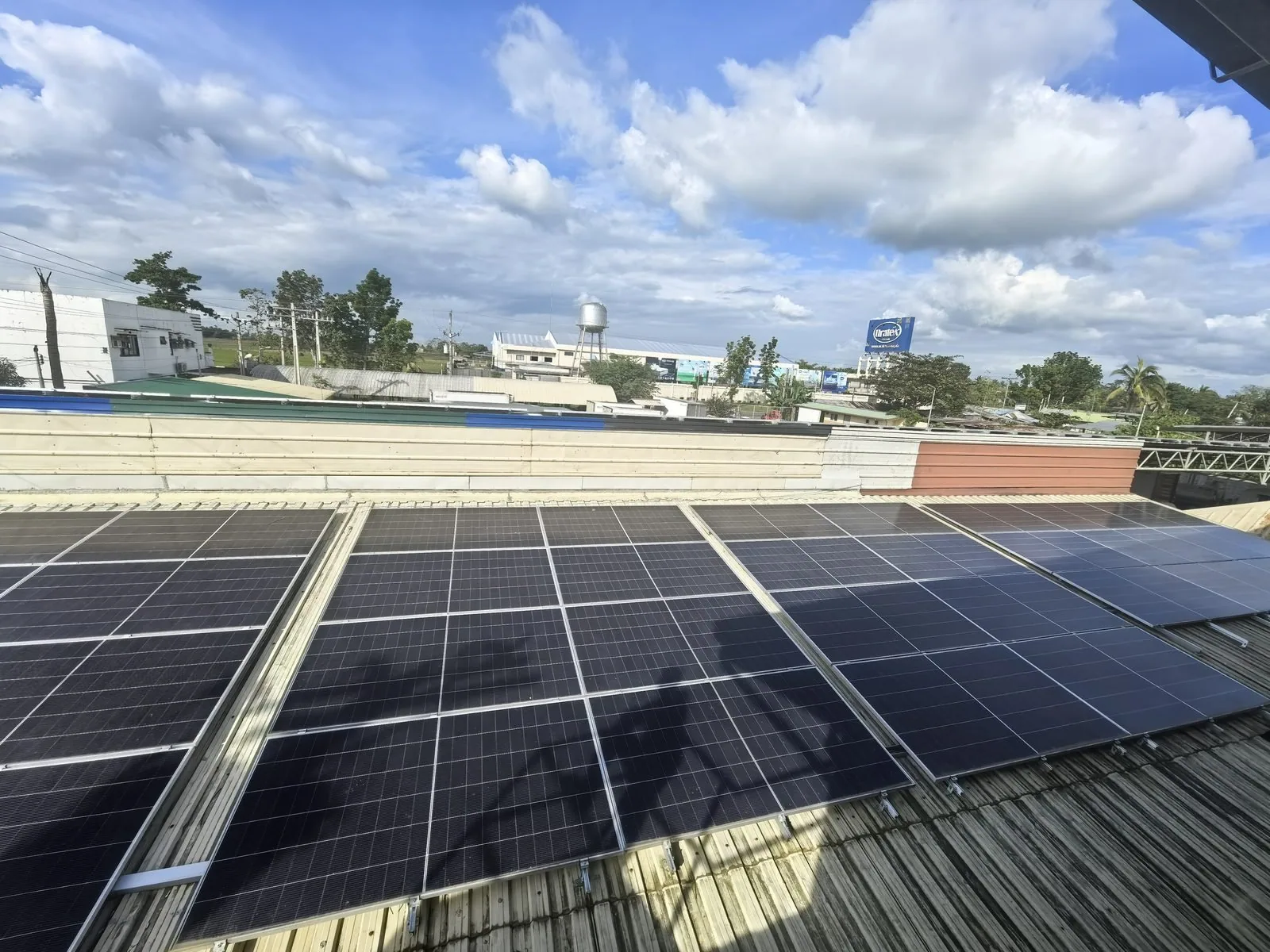
Recent cold storage projects in the Philippines — a 300 kW system in Isabela and an installation in Mangaldan — show how the sizing logic changes when refrigeration is the load.
The load profile comes first
A monthly kWh figure hides everything that matters. What we ask for instead: the number and rating of compressors, their start sequence, defrost cycles, door traffic patterns and the facility’s operating hours. Interval data from the utility meter is even better.
Compressor starting current is the first constraint. The inverter and, if present, the battery system must ride through simultaneous starts without tripping — this sets the power (kW) side of the design before energy (kWh) is discussed.
| Input | Why it matters | What it sets |
|---|---|---|
| Compressor list: number, rating, start sequence | Starting surge is several times running power | Inverter and battery power rating (kW) |
| Defrost cycles, door traffic, operating hours | Explains load spikes the monthly bill hides | Realistic load profile for the design |
| Utility interval data (if available) | Shows when the load actually runs | Daytime self-consumption share |
| Backup hours target | A business decision about product risk | Battery energy: critical load × hours |
| Cost of an outage per hour | Puts a price on continuity | How much storage is justified |
Targets are project inputs, not fixed values — every system is sized against its own load data.
Backup hours are a business decision
A cold room coasts for a while thanks to thermal mass, but how long it can coast depends on insulation, door openings and how full the room is. The backup target — 2 hours, 4 hours, overnight — is a business decision about product risk, and it directly sets battery capacity.
In practice, most cold storage projects we size land on a hybrid architecture: solar offsets the heavy daytime refrigeration load, the battery carries compressor starts and outage cover, and the grid or a generator remains the last resort.
What to send for a sizing
For a cold storage proposal, the useful starting package is: 12 months of electricity bills, a compressor list with ratings, the facility’s operating schedule, and a statement of what an outage costs per hour. With those four items, a meaningful configuration can be prepared quickly.
Photographs from Force Solar installation records. Figures describe the referenced project configuration; every new system is sized against its own load data.