
Short answer
Where the grid fails daily, the answer is usually hybrid with storage sized to the critical load — not a full off-grid design. Battery energy follows a simple logic: critical load (kW) × hours of cover, adjusted for depth of discharge and reserve. An existing generator is normally kept as backup for the rare long outage rather than removed, and oversizing storage to cover a multi-day outage usually costs more than maintaining the generator.
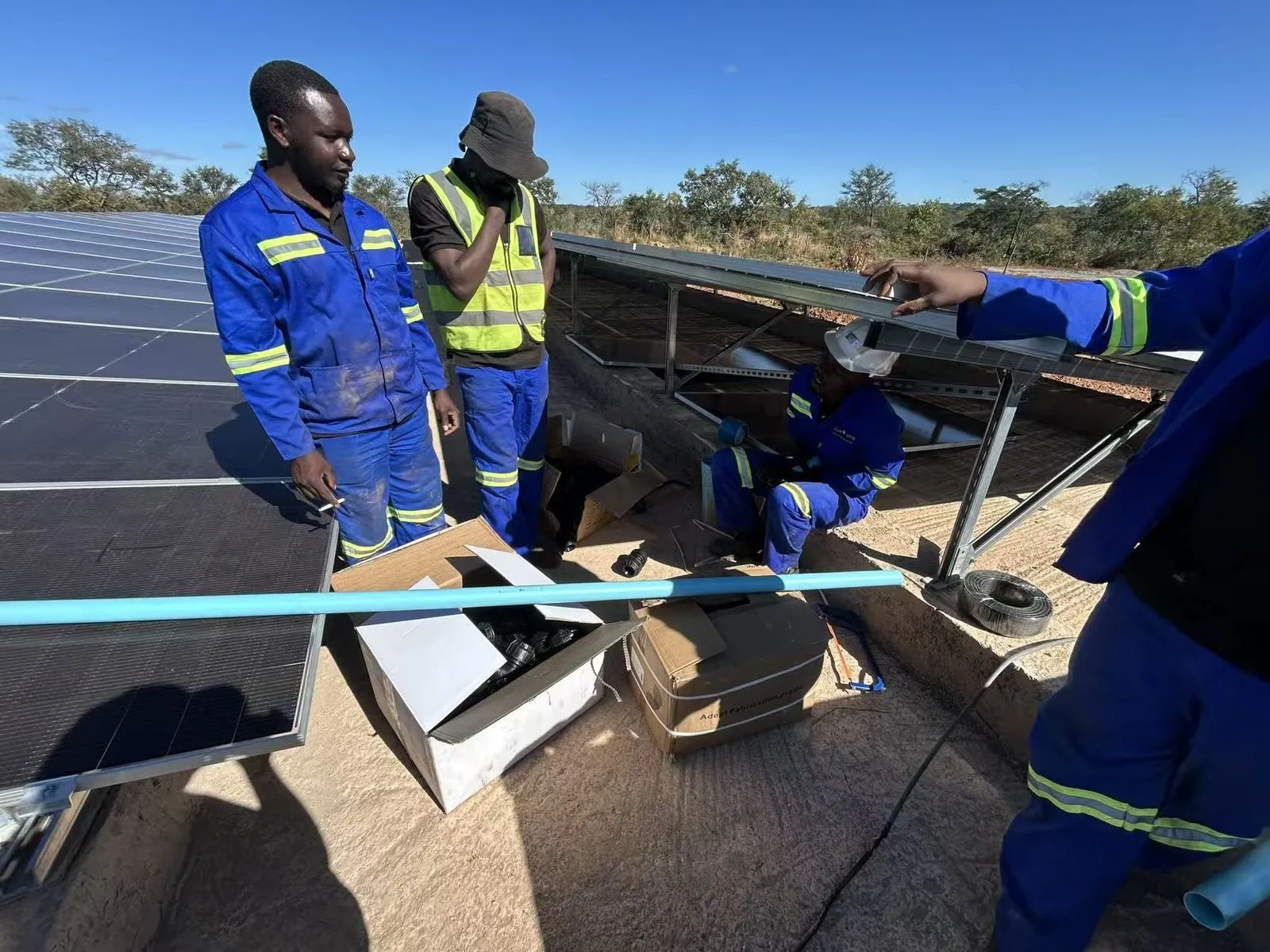
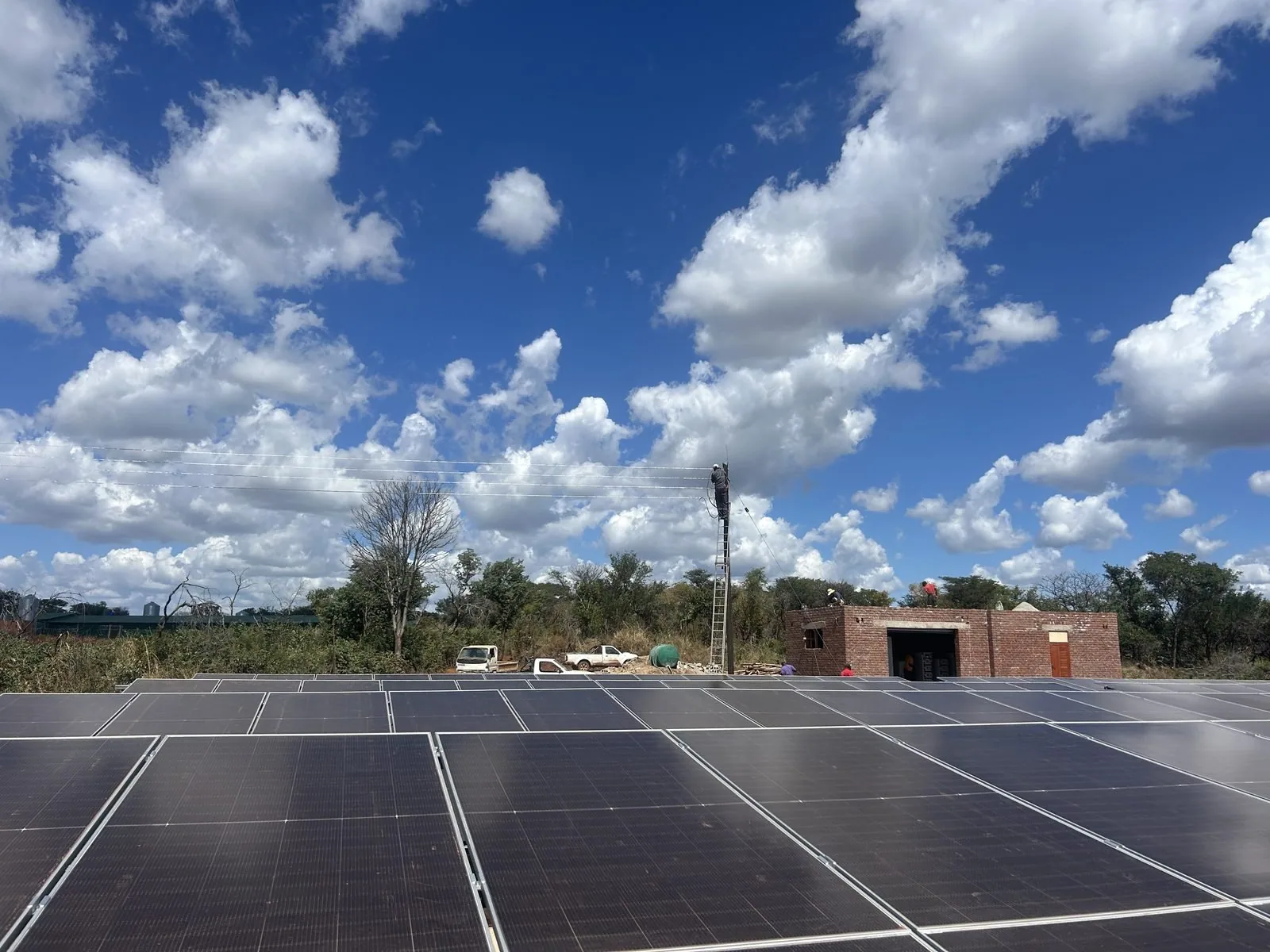
Much of our project work goes to markets where the grid is present but unreliable: farms in Zimbabwe, hotels in Ghana, factories across West and Southern Africa. In these markets, a standard on-grid system has an obvious weakness — it shuts down exactly when the grid does, which can be several times a day.
That changes the design conversation. The question is rarely "on-grid or off-grid"; it is how much storage the outage pattern and the critical loads justify.
Read the outage pattern first
Two sites in the same city can need completely different systems. The questions that matter: how many outages per day or week, how long they typically last, whether they follow a schedule, and which loads must never stop.
A hotel needs evening lighting, refrigeration and water pressure through any outage. A farm may only need pumping and cold rooms protected. The "critical load list" — not the total load — is what the battery is sized against.
| Outage pattern | Architecture | What the battery carries |
|---|---|---|
| Frequent, short outages (minutes, several times a day) | Hybrid with a modest bank | Critical circuits through each dip |
| Scheduled or long daytime outages | Hybrid with the generator retained | Production-critical loads until the generator starts |
| Multi-day continuity expected from batteries alone | Generator-first; large storage not economic | Not advised — say so rather than oversize the bank |
| Reliable grid, cost reduction only | Grid-tied, no battery | Nothing — spend the budget on more array |
A 250 kW farm system might carry 50–80 kW of critical load for a few hours, not the entire site overnight. Figures describe the referenced project configuration.
Hybrid is usually the answer — sized to the gap
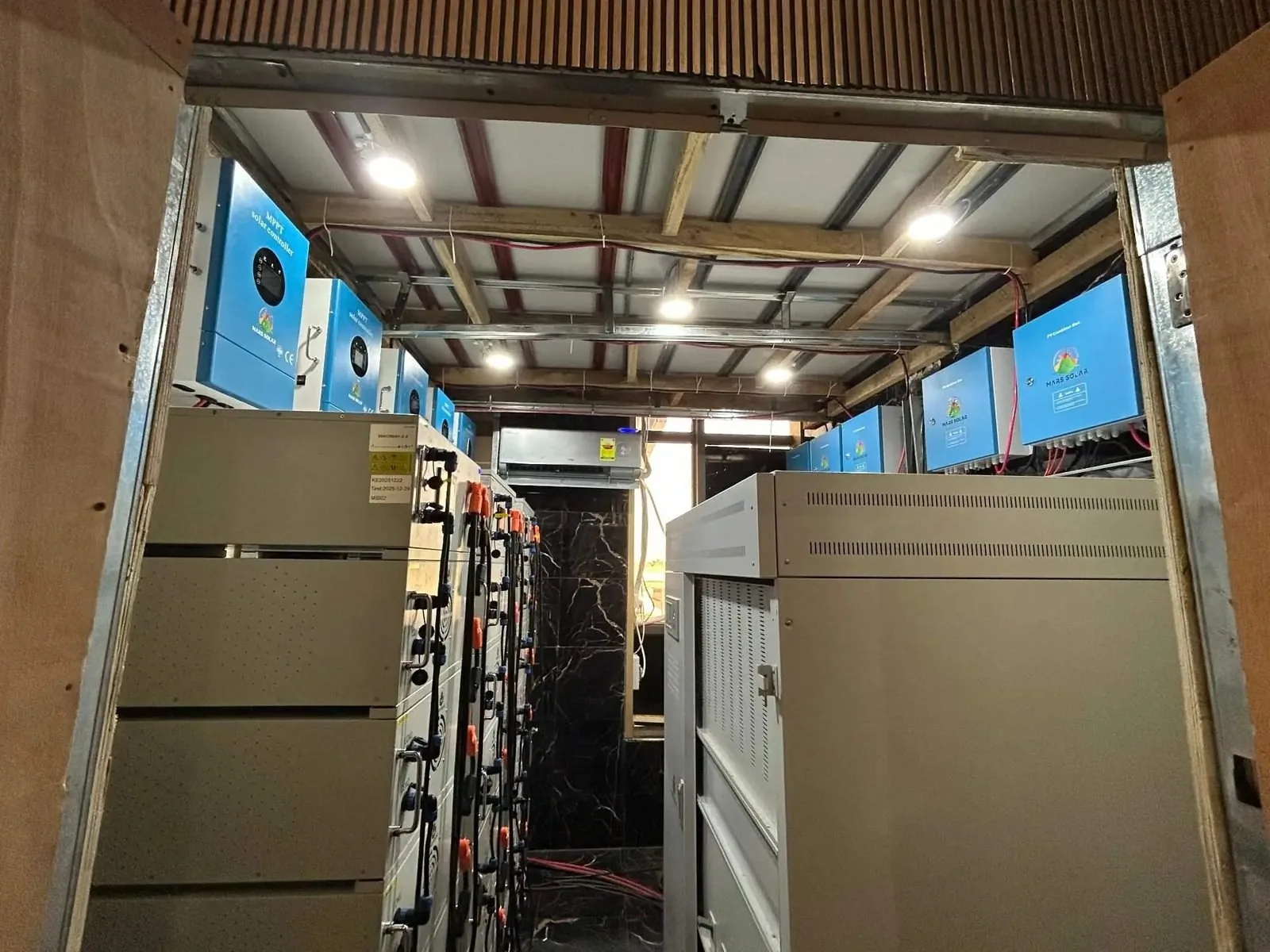
A hybrid system keeps the grid connection for what it is worth, uses solar first, and lets the battery bridge outages for selected circuits. This avoids the cost of a full off-grid design while removing the on-grid system’s biggest weakness.
Battery energy follows a simple logic: critical load (kW) × hours of cover needed, adjusted for depth of discharge and reserve. A 250 kW farm system might carry 50–80 kW of critical loads for a few hours, not the entire site overnight.
When diesel already exists
Many of these sites already run generators. A hybrid design does not necessarily replace them — it reduces their runtime. Solar and battery carry the frequent short outages; the generator becomes the backup for the rare long one. Fuel savings and quieter operation are usually what pay for the system.
Photographs from Force Solar installation records. Figures describe the referenced project configuration; every new system is sized against its own load data.