
Short answer
A Caribbean solar system is worth more per kilowatt than the same hardware on a mainland grid, because island electricity commonly runs US$0.28–0.35 per kWh and diesel-generated power costs more again. The design follows three constraints: size for self-consumption rather than export, because net billing pays less than the retail rate and caps commercial capacity at 100 kW in Jamaica; specify the mounting and enclosures for hurricane wind and salt; and size storage against the evening peak — air conditioning, kitchens and water heating — not against the whole site.
Hotel owners in the Caribbean ask a reasonable question: the array is the same steel and silicon anywhere, so why does the business case look so different from a project in Europe or mainland America? Because the kilowatt-hour being replaced costs two to three times as much, and because a grid that fails for days after a storm changes what "backup" means.
This piece covers the tariffs, the diesel arithmetic, the export rules that catch people out, and the specification changes that separate a system still performing in year ten from one that needs attention in year three. Figures are published ranges with sources attached — your own invoice governs.
The four numbers that decide a Caribbean solar system design
- Your landed cost per watt, freight and duty included — not the hardware price
- The tariff or diesel cost of the kilowatt-hour you are actually replacing
- How much of your load runs in the evening, when the sun is down
- The design wind speed and salt exposure at your site
A Caribbean solar system that gets those four right is usually a straightforward project. One that guesses at the last two tends to have a difficult year three.
The kilowatt-hour costs more on an island
Almost every island grid in the region burns imported fuel, which means the tariff moves with oil and freight. Published consumer electricity prices for 2025/26 put several Caribbean and Central American markets well above the world average of about US$0.16 per kWh:
| Market | USD / kWh | Market | USD / kWh |
|---|---|---|---|
| Bermuda | 0.47 | Guatemala | 0.30 |
| Cayman Islands | 0.41 | Belize | 0.22 |
| Bahamas | 0.35 | Honduras | 0.23 |
| Barbados | 0.31 | El Salvador | 0.25 |
| Jamaica | 0.29 | Costa Rica | 0.17 |
| Aruba | 0.21 | Panama | 0.18 |
| Dominican Republic | 0.12 | Nicaragua | 0.18 |
Consumer electricity prices compiled by GlobalPetrolPrices for 2025/26. These are published consumer prices, not commercial tariffs — hotel and commercial rates differ by customer class, fuel pass-through and demand charges, and they move monthly. Use them for orientation, then design against your own bill.
Commercial tariffs tell the same story from a different angle. Reporting on Jamaican commercial rates puts them around US$0.28–0.30 per kWh, with large industrial customers in the US$0.23–0.26 band — roughly double the regional average. In the Bahamas, an Inter-American Development Bank report cited all-in residential costs of 33.3 to 38.8 cents per kWh, with fuel making up about half the bill, and the utility's fuel charge in early 2026 ran 17.4 cents per kWh up to 800 kWh and 21.4 cents above that.
Compare that with a mainland project displacing power at US$0.10 and the reason for the difference in payback is obvious: the same kilowatt-hour of solar avoids two to three times the cost.
Diesel is the number that decides it
On islands, the honest comparison is not solar versus grid — it is solar versus the generator you are running anyway. Diesel cost per kilowatt-hour comes straight out of two numbers:
Fuel cost per kWh = price per litre ÷ kWh produced per litre. At a realistic 3.5 kWh per litre and Jamaica's retail diesel price of about J$298 per litre (roughly US$1.88) in early October 2026, that is about US$0.54 per kWh of fuel alone — before servicing, oil, filters and the generator's own replacement. Add those and the true figure is higher.
That arithmetic is why storage pays on islands even where the grid tariff looks merely expensive rather than extreme: the kilowatt-hour being displaced at 7 pm is often a diesel kilowatt-hour, not a grid one.
Net billing caps what you can sell
This is the clause that catches hotel projects out. In Jamaica, the net billing programme is limited to renewable self-generators with system capacity not exceeding 10 kW for residential and 100 kW for commercial customers, who must be current utility customers in good standing. Above that ceiling the design has to change: either the surplus is prevented from reaching the grid, or the array is split so only the permitted capacity is export-capable.
The paperwork is real, and worth sequencing properly:
- A licence from the Ministry, with a non-refundable processing fee (J$19,000) plus an application fee of J$1,800 per kW of permitted export capacity, and a further licence fee under the Electricity Act.
- Inspection and a compliance certificate before energisation. Where the main cable is 70 amperes or above, a professional electrical engineer and a licensed inspector are involved; below that, a registered electrician or engineer certifies the work.
- A utility contract and a bi-directional meter. Reporting on the regulations indicates the utility has 30 days from receiving the licence to issue a standard offer contract, with a 60-day window for additional documents, and a licence valid for ten years.
What you get paid is not the retail rate. The Office of Utilities Regulation sets the net billing energy rate on the principle of the short-term variable avoided cost of generation plus a 15% renewable premium, applying to facilities from 0 to 100 kW. Published rates ran J$21.289 per kWh in December 2024 and J$19.171 and J$19.979 in June and July 2025, moving with fuel prices. Size the system for your own load and treat exports as a bonus.
Other islands run different programmes with different ceilings, and several are revising them — Jamaica's ministry announced in May 2026 that it is reviewing licence fees and the 10 kW / 100 kW capacity limits, alongside a 300 MW renewable plus 150 MW storage tender and an additional 100 MW of distributed generation through net billing. Confirm the current rules for your island in writing before sizing anything above a cap.
Hurricane and salt: what changes in the specification
A Caribbean solar system is a coastal structure first and a power plant second. Three items move from "nice to have" to "design input":
Wind load
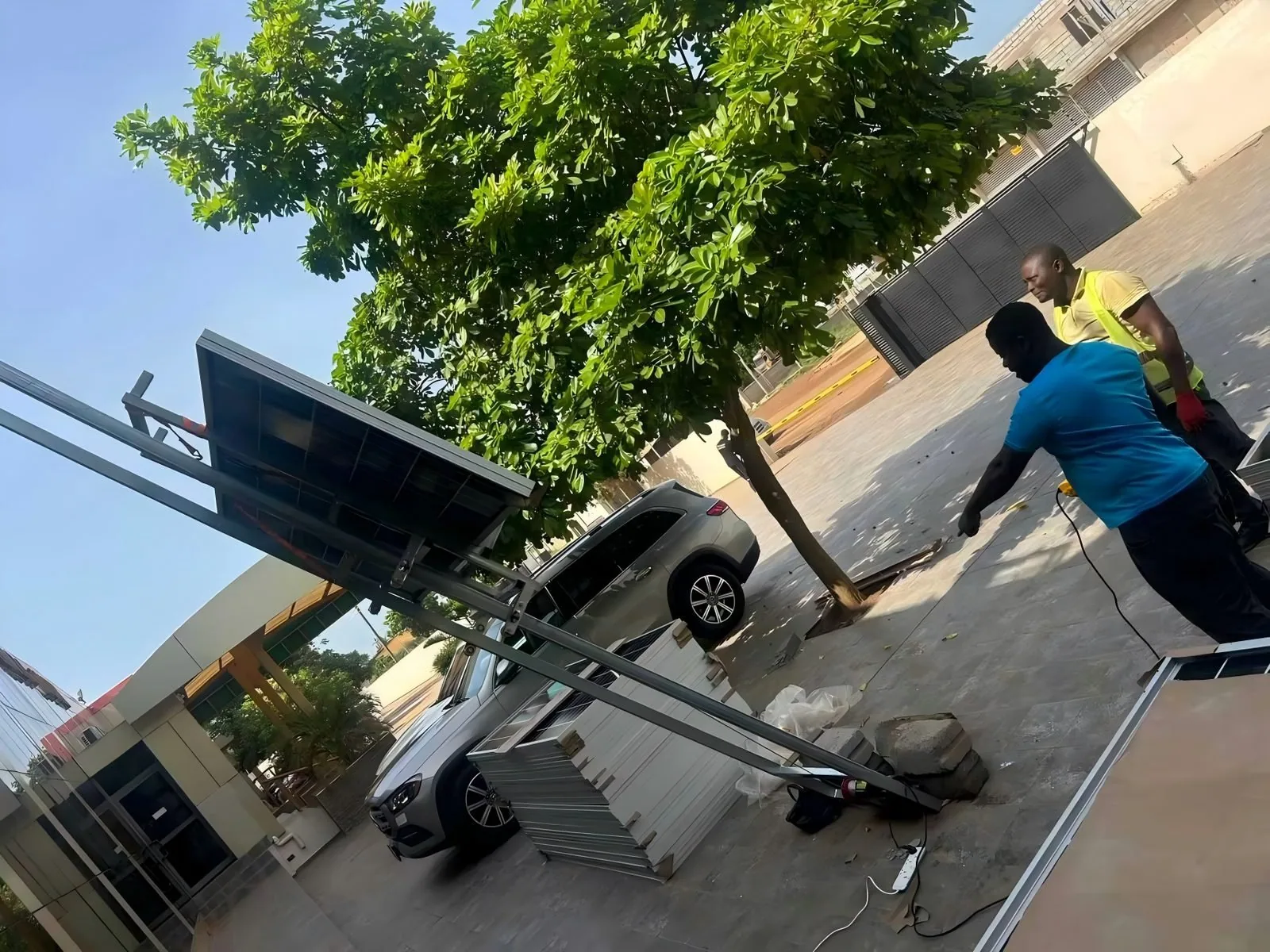
Rail spacing, clamp type, sheet profile and the fixing into the purlins or ground structure are specified against a calculated wind load for the site, not copied from a milder climate. Industry guidance written after the 2025 hurricane season in Jamaica goes further, calling for storage enclosures rated for wind speeds of 250 km/h or more with IP65+ protection against water and debris. Whether your site needs that class of enclosure depends on its design wind speed — ask for the calculation, not a reassurance.
Corrosion
Salt air attacks mounting hardware, enclosure finishes and connectors. Material choice — stainless or hot-dip galvanised fixings, marine-grade coatings, sealed enclosures — is a specification line, not an upgrade.
Islanding and access
If the system is meant to keep running when the grid is down, the changeover has to be designed, tested and documented, and the array still has to be cleanable. Systems that lose power during the first storm after handover usually failed on one of those two points rather than on panel quality.
Hotel load shape: air conditioning, kitchens and the evening peak
A hotel is not a factory. The load is dominated by air conditioning, kitchens, laundry, water heating and lighting, and the evening is the expensive part — guests arrive, rooms cool down, dinner service runs, and the sun is gone.
That shape decides the storage. The bank is sized against the evening curve and the circuits that must stay on, not against the total connected load. A 250 kW array might carry 60–80 kW of critical load through the evening, which is a completely different battery to one sized to run the property overnight — and usually the right one, because oversizing storage for a rare multi-day outage costs more than keeping and maintaining the generator.
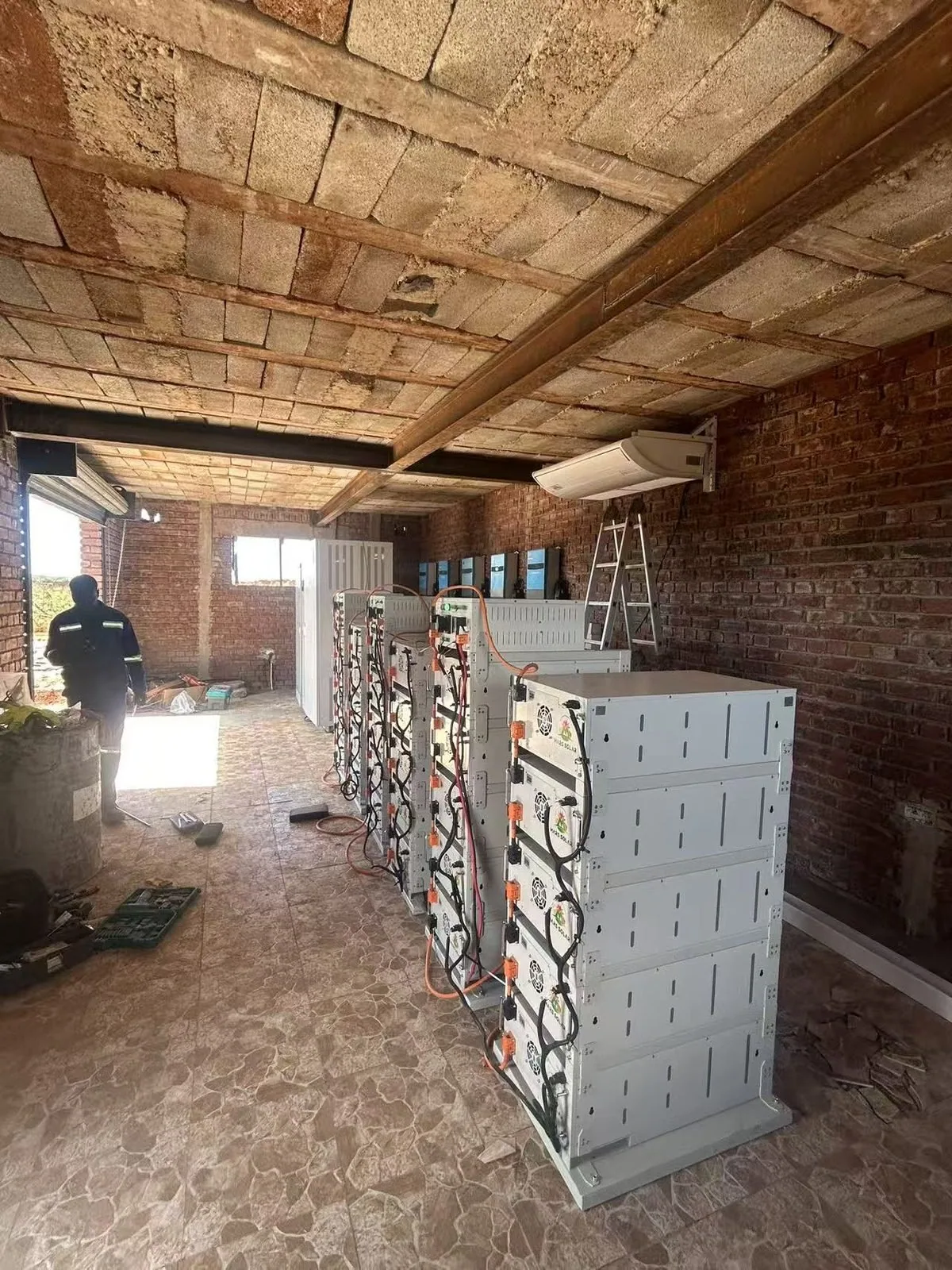
Our hotel configurations sit in that middle band, and the comparison usually comes down to a rack battery against a containerised BESS: solar systems for hotels, 100KVA 100kW+215kWh BESS and rack battery 50–500 kWh are the three pages most resort projects start from.
The payback arithmetic, written out
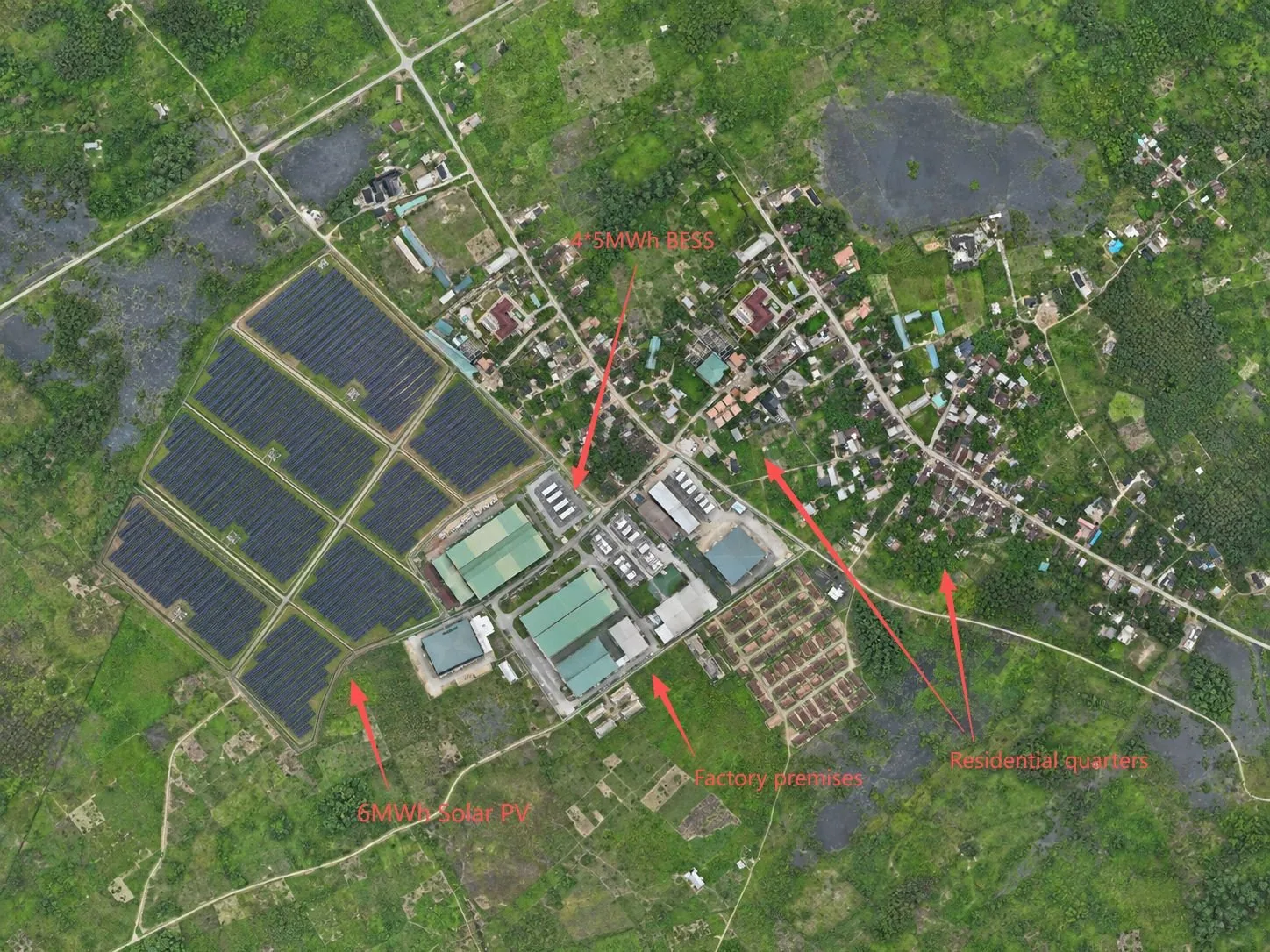
Take a 250 kW array at a hotel with good daytime occupancy.
Step one, production: 250 kW × 5.0 peak sun hours × 0.8 performance ratio = 1,000 kWh per day. Peak sun hours are site-specific; verify them for your coordinates rather than borrowing a regional figure.
Step two, split it. A hotel self-consumes less of a midday peak than a factory does — assume 65%, or 650 kWh per day displacing grid purchases. The remaining 350 kWh cannot all be sold: only the export-capable portion within the programme limit is credited, and at a rate below retail.
Step three, monthly value: 650 kWh × 30 days = 19,500 kWh avoided. At US$0.28 per kWh that is about US$5,460 per month, plus whatever the permitted export earns at the published avoided-cost rate. On the grid-offset line alone, that is roughly US$65,000–70,000 per year.
Step four, landed cost. Hardware is only part of it on an island: freight, duty, crane or barge handling and local labour add a premium over a mainland-equivalent bill of materials. Published duty relief comes and goes — Jamaica's duty exemption for panels, batteries and inverters ended on 15 January 2026, so standard duty applies again there. Model the premium explicitly rather than discovering it at customs.
Step five, payback: installed landed cost ÷ annual benefit. At an assumed US$0.75 per watt for the array plus a 20% island premium — about US$225,000 — the grid-offset benefit returns roughly three years, before any diesel displacement. Where the generator is genuinely displaced, the number improves substantially; where the hotel is closed for part of the year, it worsens. Both belong in the model.
Worked example with assumptions stated and arithmetic shown so it can be recomputed. Cost per watt, island premium and self-consumption share are planning assumptions, not quotations; your bill of materials and your own consumption data govern.
Three specification mistakes on Caribbean solar system projects
Most underperforming island systems were not badly built. They were specified against the wrong reference, and the gap shows up two or three years in.
Copying a mainland mounting design
A Caribbean solar system is a coastal structure in a hurricane belt. Mounting copied from a temperate-climate project may be perfectly sound engineering for wind loads that never occur on your island. Ask for the wind calculation and the fixing schedule, and check that the enclosure rating matches the site's exposure.
Sizing storage to the whole property
The bank should follow the evening curve and the circuits that must stay on. A Caribbean solar system with storage sized for full overnight autonomy costs several times more than one sized for a four-hour evening peak, and the extra capacity cycles rarely — which is the worst use of a battery.
Budgeting hardware cost as landed cost
Freight, duty, crane or barge handling and local labour are not rounding errors on an island. A Caribbean solar system quoted at a mainland price per watt and budgeted as such runs short at customs or at the crane, and the shortfall usually gets absorbed by cutting the specification — the mounting, the enclosure rating or the protection.
What to send for a real proposal
- Twelve months of electricity bills, including demand or kVA charges and the customer class
- Generator size, monthly fuel litres and hours run
- The circuits that must stay on during an outage, and for how long
- Roof drawings or ground area, plus photos of the roof structure and site exposure to wind and salt
- Grid voltage, phase and the utility — and the current net billing rules for your island, in writing
With those we can name the architecture, the mounting and enclosure specification, and a bill of materials you can check line by line. Capacity and model numbers are confirmed after engineering review, not before. Related: sizing storage for hotels and farms and choosing hybrid where the grid is unreliable.
Frequently asked questions
How much does a Caribbean solar system cost per kilowatt?
Hardware pricing follows the global module and inverter market, but the landed figure on an island is higher than a mainland quote because of freight, duty, crane or barge handling and local labour. Ask for the landed number broken out, not a hardware price per watt.
Can a hotel export all of its surplus solar?
In Jamaica, no: net billing capacity is capped at 100 kW for commercial customers, and the export rate is set below the retail tariff. Larger arrays are designed as zero-export or split so only the permitted capacity feeds the grid.
What size battery does a Caribbean solar system need at a hotel?
For a Caribbean solar system at a hotel, the bank is sized to the evening curve and the circuits that must stay on — typically a fraction of the total connected load, not the whole property overnight. Oversizing for a rare multi-day outage usually costs more than keeping the generator.
Do solar panels survive hurricanes?
They survive when the mounting is engineered for the site's design wind speed and installed to that specification, and they fail when the wind load was assumed. Enclosures and fixings are specified, not hoped for.
Is salt air a problem for the equipment?
Yes, over time, for fixings, enclosure finishes and connectors. Marine-grade materials and sealed enclosures are a specification line on coastal sites.
What is the payback on a Caribbean solar system at a hotel?
Published modelling for a Caribbean solar system on high-tariff islands shows paybacks in the low single-digit years on grid offset alone, improving where diesel generation is displaced. The governing calculation is landed cost divided by annual benefit, both from your own data.
What permits and duty apply to a Caribbean solar system?
Some exist and some have expired, so check both the duty position and the licence route for a Caribbean solar system — Jamaica's duty exemption covering solar panels, batteries and inverters ended on 15 January 2026. Check the current position for your island and your import codes before budgeting.
How long does approval take?
Licensing, inspection and the utility contract each have their own timeline; reporting on Jamaica's rules points to 30 days for the utility's standard offer contract after a licence is granted, with a 60-day window for additional documents. Plan around the longest step.
Tariff, fuel and regulatory figures are the published ranges cited above, checked October 2026, and are not measurements of your site. Photographs from Force Solar installation records; figures describe the referenced configurations — every system is sized against its own load data.