
Where we work.
Commercial and industrial solar and battery systems for five markets where grid power is expensive, unreliable, or both. The hardware is the same everywhere; what changes is the tariff you are displacing, the hours the grid actually delivers, and how much of your generation you are allowed to sell back.
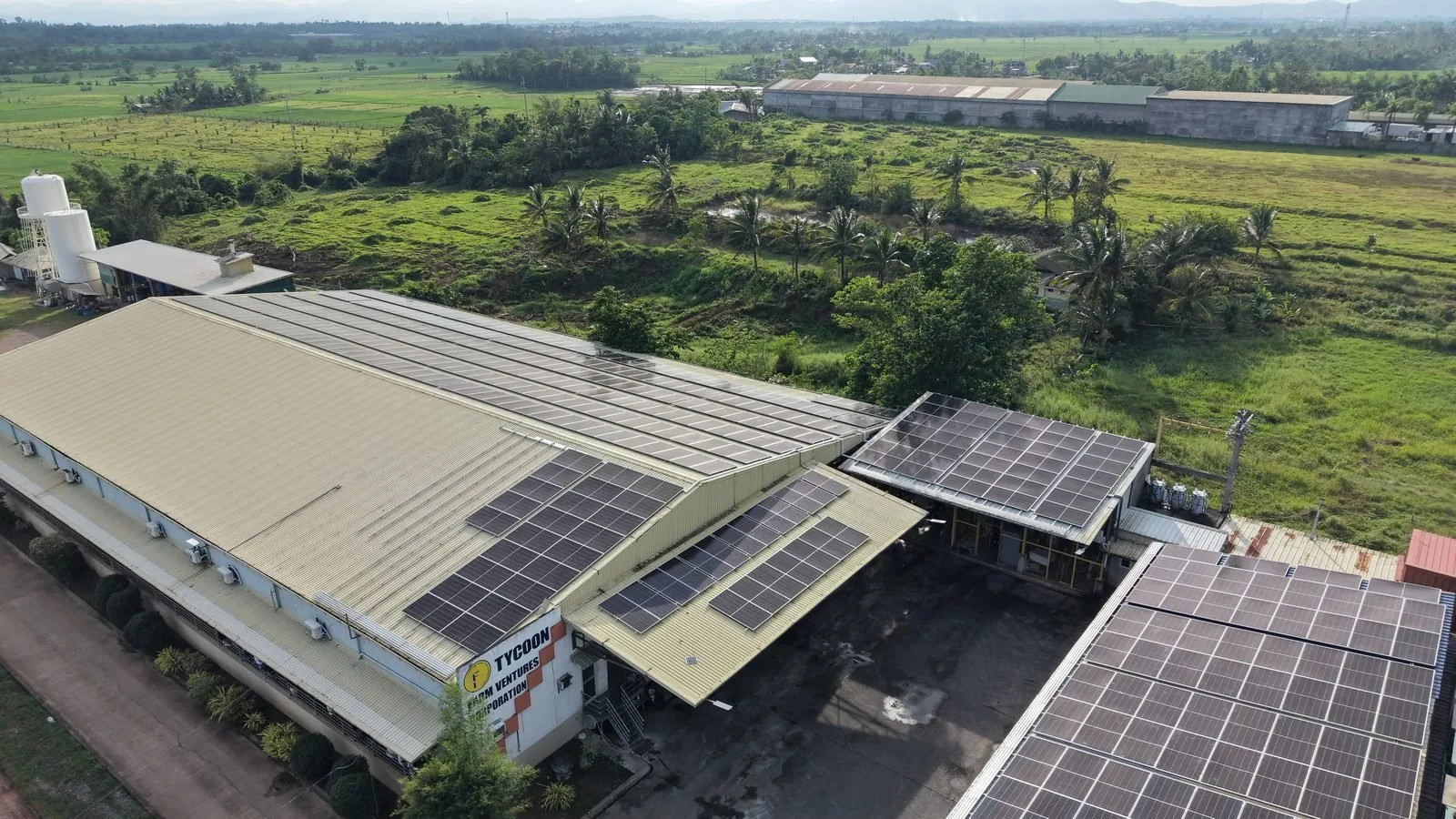
Which markets do we serve?
We engineer and supply commercial solar and battery systems for the Philippines, Nigeria, Ghana, Kenya, and the Caribbean and Central America. In every one of them the design starts from your own electricity bills, your generator hours and the loads that have to stay on — the tariff band, the export rule and the outage pattern then decide how much battery the project actually needs.
We supply and engineer the complete system. Installation and after-sales are carried out by your local EPC contractor or installer, with our engineering support behind them.
What changes the design.
One table, five markets. The point is not which country is cheapest — it is that the same 500 kW array is a different machine in each of them.
| Market | What a kilowatt-hour costs | What the grid does | Export rule | Detail |
|---|---|---|---|---|
| Philippines | Self-consumption avoids about ₱10–12/kWh at Meralco retail rates; exported units are credited at the blended generation rate, about ₱5–7/kWh | Supply is generally reliable; the typhoon belt governs the mounting and wind-load specification | Net metering up to 100 kW is the safe planning assumption. A reported 2026 move toward 1 MW is not consistently confirmed — get your utility to confirm in writing before sizing above 100 kW | Philippines guide |
| Nigeria | Band A feeders about ₦209.5/kWh published; diesel self-generation lands near ₦310–430/kWh on fuel alone at posted pump prices — and nearer ₦361–514/kWh at delivered prices | Supply is sold in bands by guaranteed hours a day, from 20+ down to 4 — the shortfall is what your generator covers | Rarely the binding constraint. The outage pattern, not the export rate, decides the battery | Nigeria guide |
| Kenya | Commercial all-in about KES 22–28/kWh once fuel, forex, levies and VAT are stacked on the base rate | Reliable but costly; the fuel cost charge and forex adjustment move every month | Net metering is available up to 1 MW, and exported units are credited at 50% of the units exported. No EPRA licence is needed below 1 MW for own use | Kenya guide |
| Ghana | PURC reviews tariffs quarterly. The Q4 2026 decision held every category at Q3 levels with a 0% adjustment, effective 1 October — read the current gazette for your band before you build a payback model on last quarter’s number | Hotels, farms and cold rooms usually size against the evening peak and the generator hours they want to remove | Check your band’s current terms with ECG and PURC before assuming an export credit in the model | Ghana guide |
| Caribbean & Central America | Island electricity commonly runs US$0.28–0.35/kWh, and diesel-generated power costs more again | Hurricane belt: mounting, enclosures and corrosion protection are specification items, not optional extras | In Jamaica, net billing is capped at 100 kW for commercial customers and the rate is the short-term variable avoided cost of generation plus a 15% renewable premium. The capacity limits are under review as of 2026 | Caribbean guide |
Tariffs and export rules move, and in Nigeria buyers report paying 15–20% above posted diesel prices because fuel is bought on the black market — so treat published figures as the floor, not the bill. Every number here is a starting point for a conversation, not the number you sign a payback model against; we re-check the current rate with you before a proposal is issued.
Pick where you operate.
Each guide covers the tariff structure, the grid reality and the design decisions that follow from them.
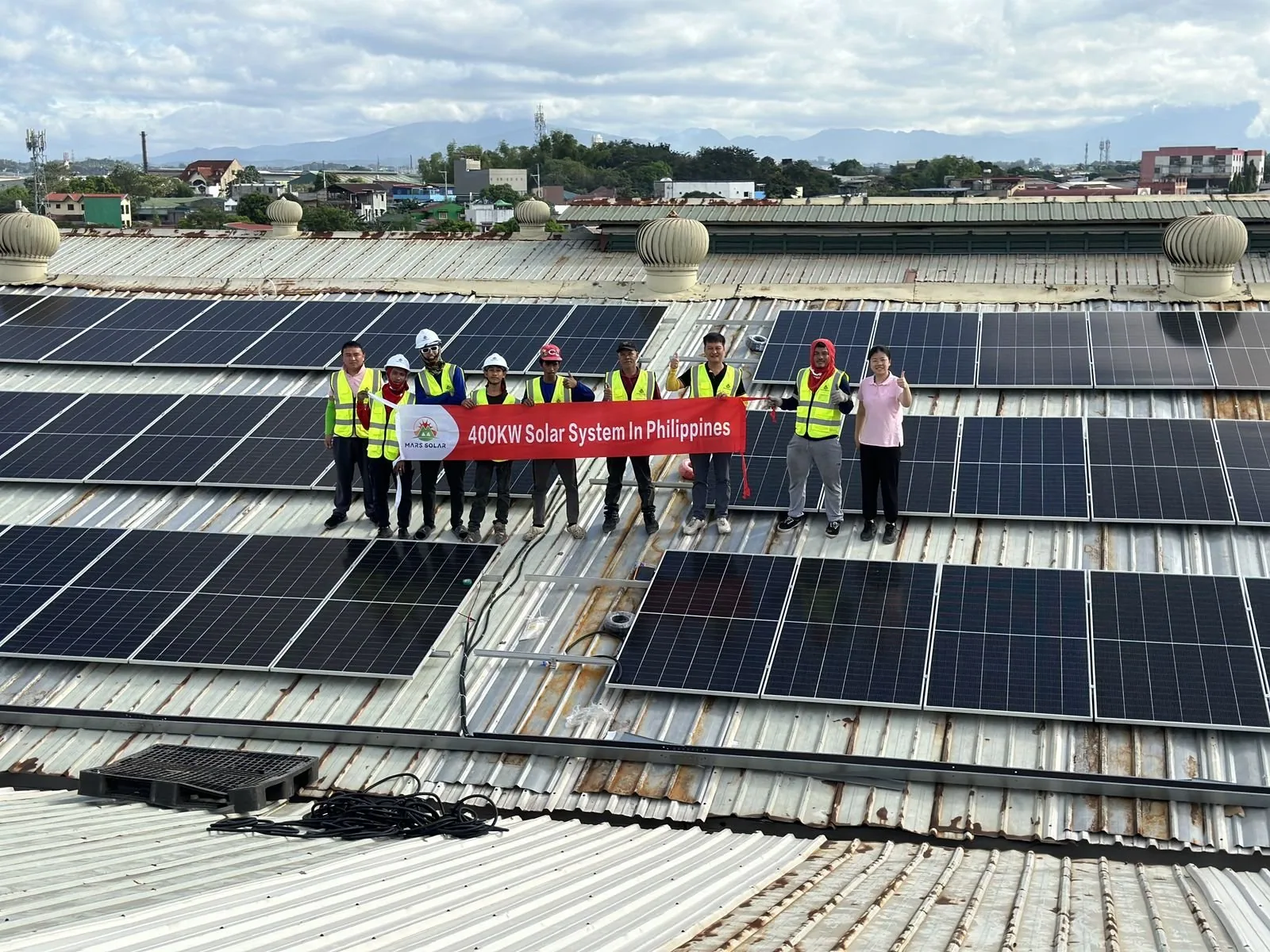 PHILIPPINESNet metering rules, daytime self-consumption and roof conditions↗
 NIGERIADiesel spend, outage losses and critical load backup↗
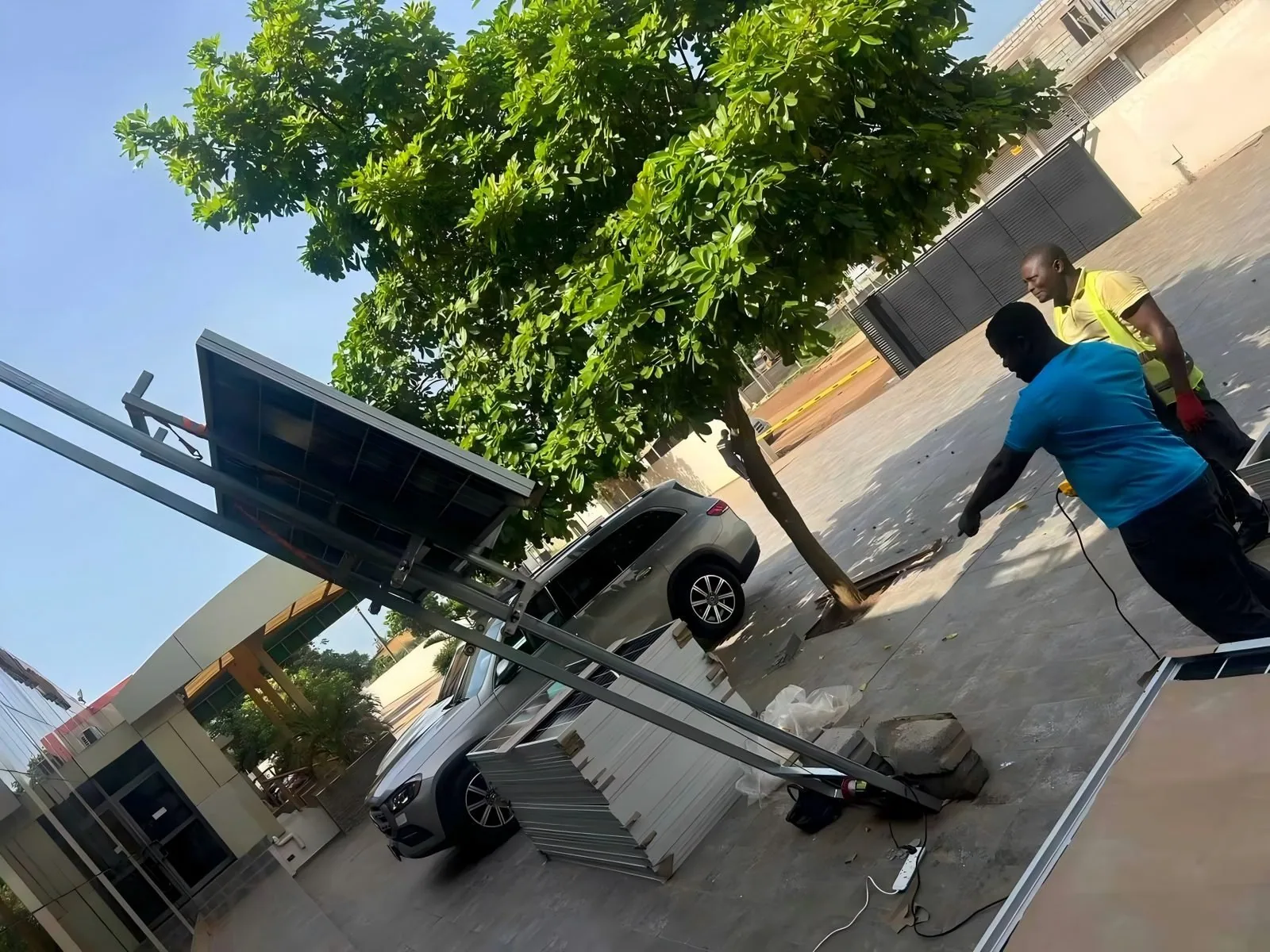 GHANAHotel and farm load profiles, and the storage that removes generator hours↗
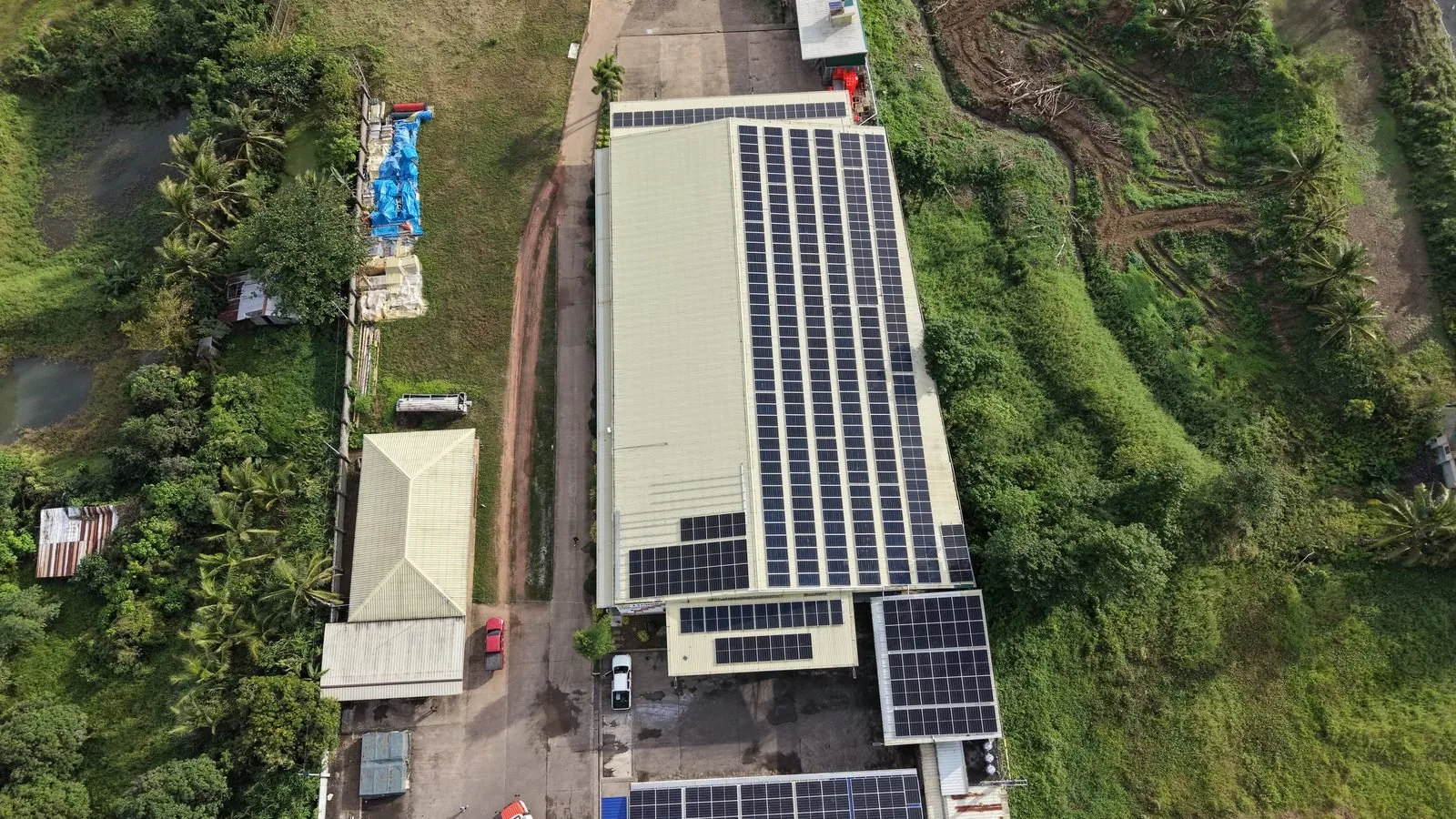 KENYAThe 1 MW net metering ceiling, the 50% export credit and payback arithmetic↗
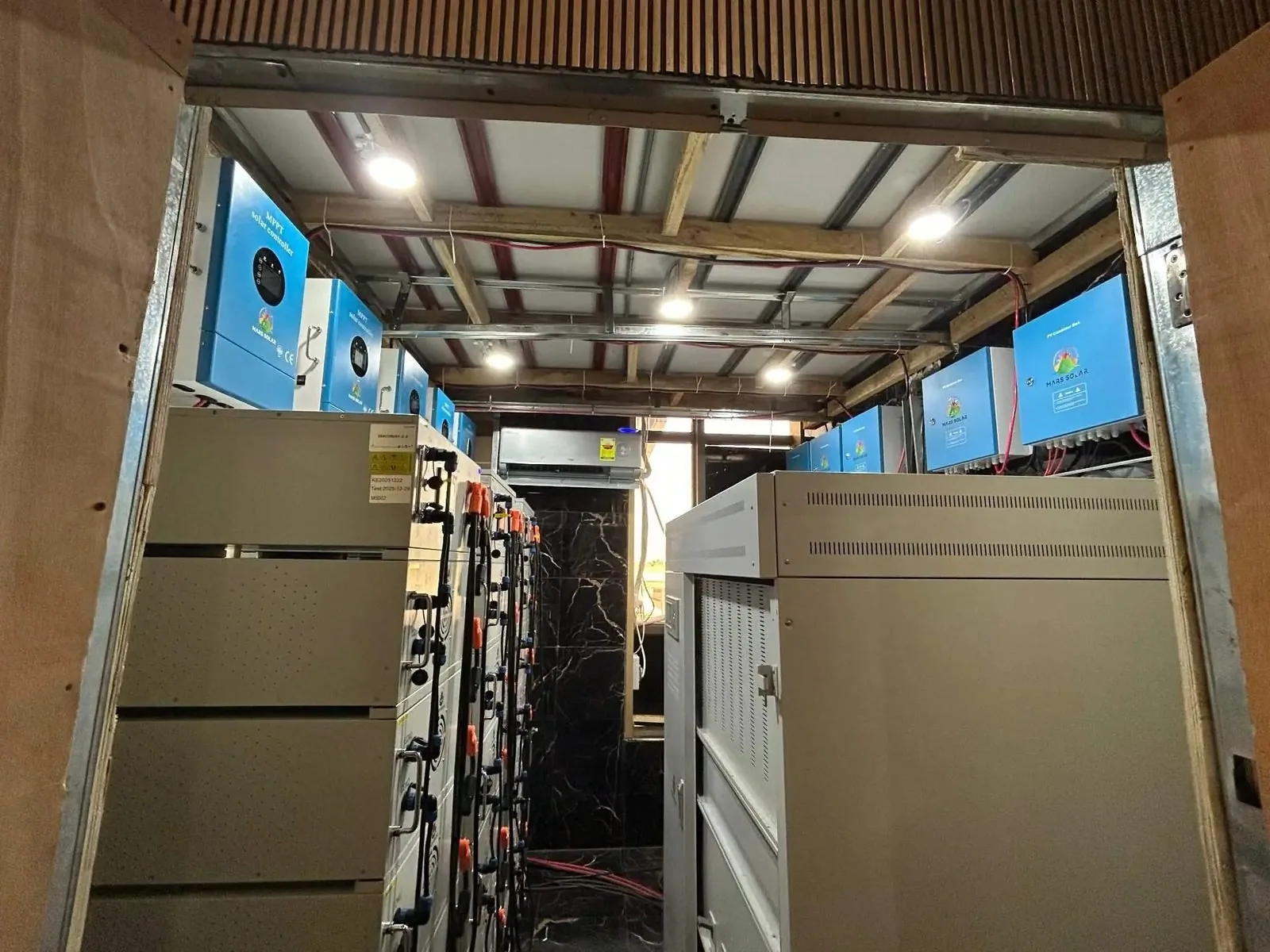 CARIBBEANEvening peaks, generator hours and coastal installation↗
The same delivery process, wherever you are.
Five steps, end to end 4–12 weeks. Every unit completes a 72-hour test before it ships.
| Step | What happens | Typical duration |
|---|---|---|
| Requirement definition | We read your bills, load list and site conditions and agree what the system has to do | 1–3 days |
| System design | Architecture, bill of materials and drawings sized to your load profile | 1–2 weeks |
| Production | Build and assembly, including the battery and control cabinet | 1–3 weeks |
| Testing | Every unit runs a 72-hour test before it is released for shipping | 72 hours |
| Shipping & installation | Packed and shipped to your port; installed by your local EPC or installer with our engineering support | 2–6 weeks |
What we need to size it.
Send what you already have. Anything missing can follow during engineering review.
Send your project brief- Last 12 months of electricity bills, or a recent month if that is all you have
- Generator size and the hours it runs per day or week
- The loads that must stay on during an outage, and for how long
- Roof or ground area available, with photos if possible
- Destination port and grid voltage
Not sure what to send? The project brief checklist lists the nine items and what each one is used for.
Frequently asked questions
Do you install the system yourself?
No. We engineer and supply the complete system. Installation and after-sales are carried out by your local EPC contractor or installer, with our engineering support behind them — that is how we work in every market on this page.
How long does delivery take?
End to end, 4–12 weeks. Requirement definition takes 1–3 days, system design 1–2 weeks, production 1–3 weeks, then every unit completes a 72-hour test before shipping, and shipping and installation take 2–6 weeks depending on the destination.
Do you use one standard design across all five markets?
No. The hardware range is common, but every system is sized against its own load data, tariff band and outage pattern before it is quoted. A design that pays back in Lagos is usually the wrong design in Manila.
Who do you sell to?
Distributors, EPC contractors, installers and project owners. What does not change is the sequence: we size the system first, then quote it.
Are the tariff figures on this page the current rates?
They are the published figures we work from, and they move — PURC reviews quarterly, NERC adjusts Band A for exchange rate, inflation and gas costs, and EPRA revises fuel and forex charges monthly. We re-check the current published rate with you before a proposal is issued.
What if my market is not on this list?
Send the brief anyway. These five are where we have published design guidance, not a hard boundary — the sizing logic is the same, and we will tell you honestly whether we can support your destination.
Tell us where the system is going.
Send your bills, generator hours and the loads that have to stay on. We will come back with the architecture and a sized bill of materials.
Request a system proposal