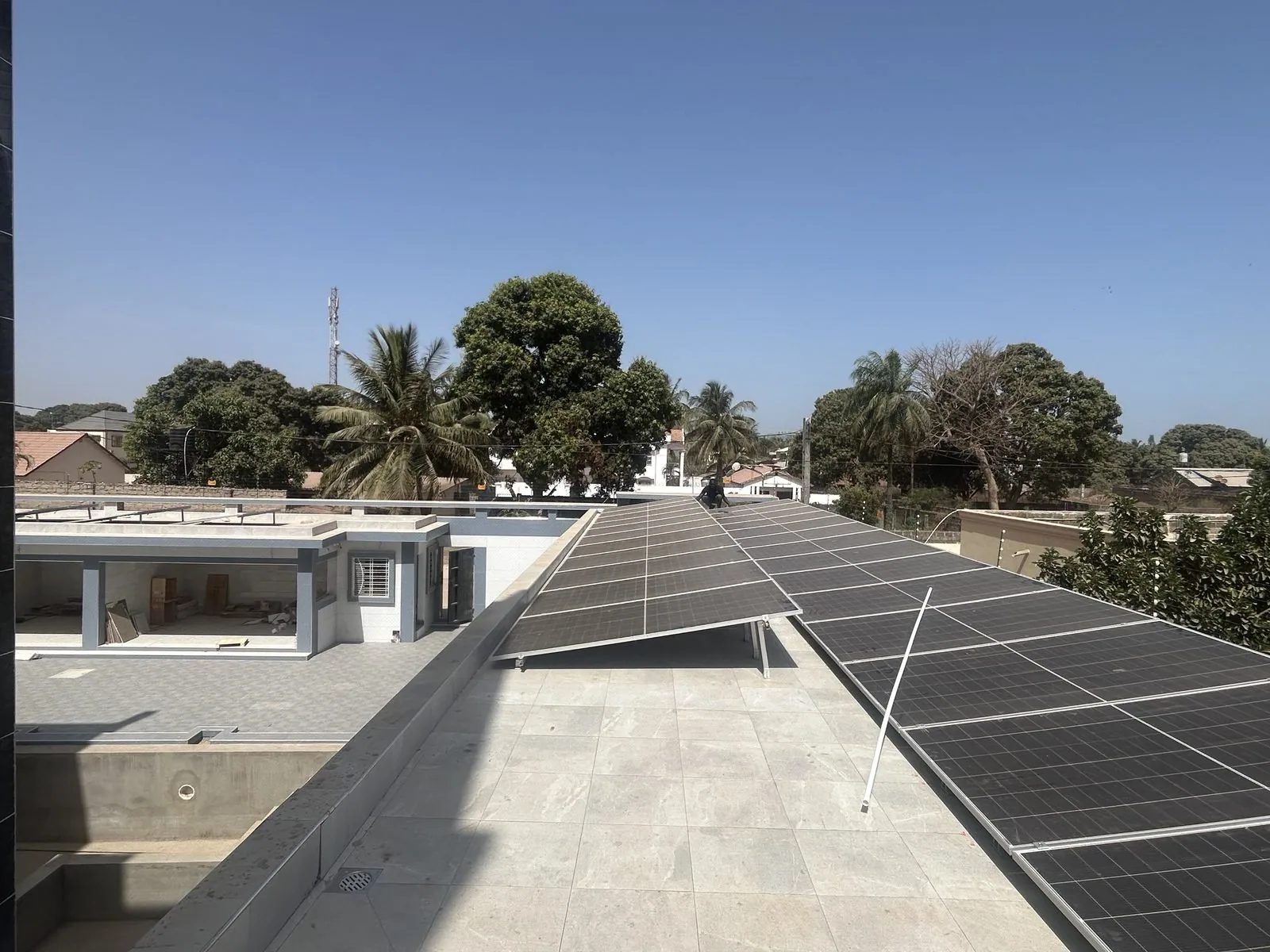
This coastal villa combines household loads with guest facilities — air conditioning, pool equipment, refrigeration and lighting across a large property.
Grid supply in the area is available but unreliable, and the owner wanted quiet, generator-free backup.
The challenge
A large residential load with comfort expectations, on an unreliable coastal grid.
The Solution
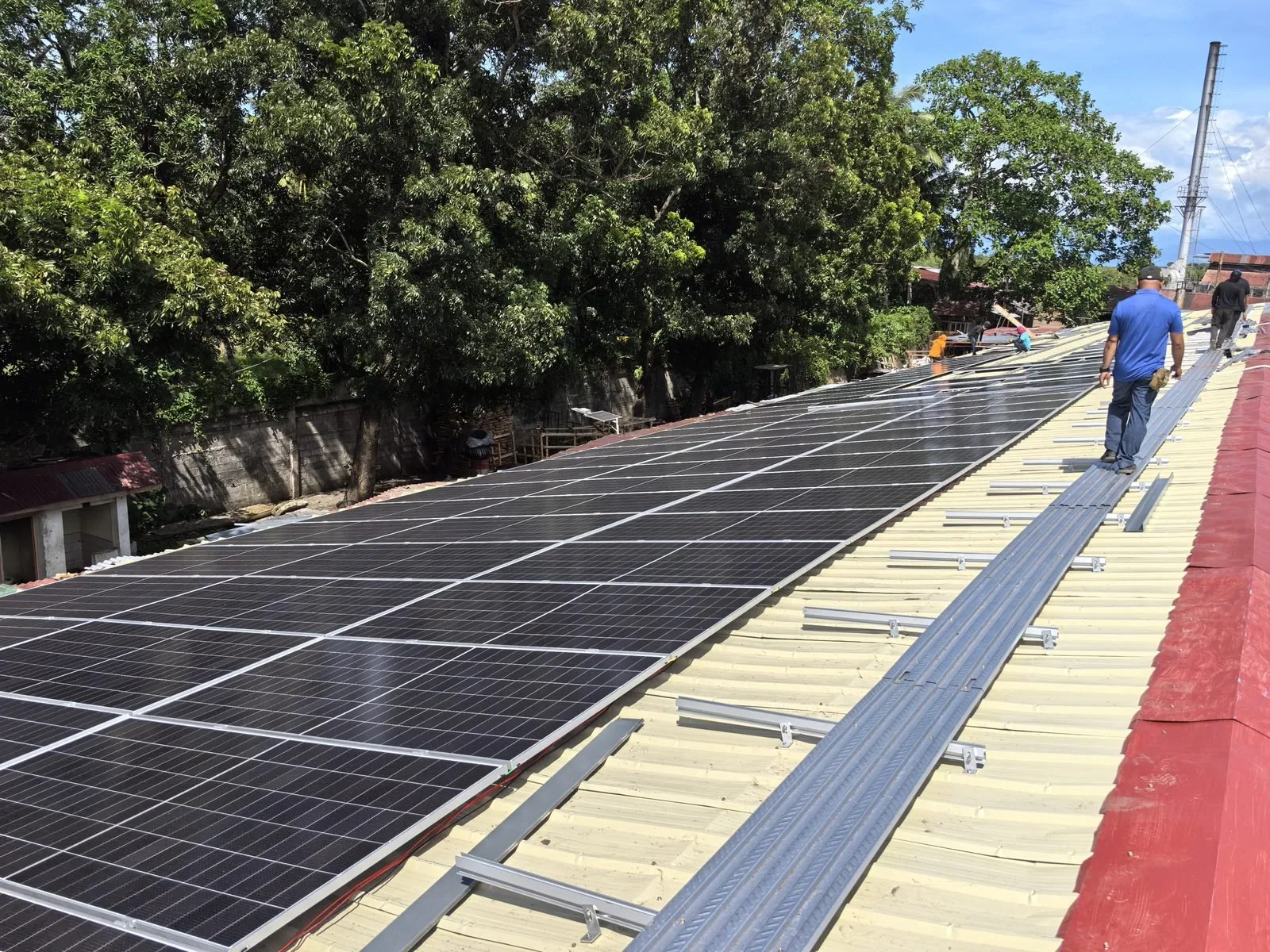
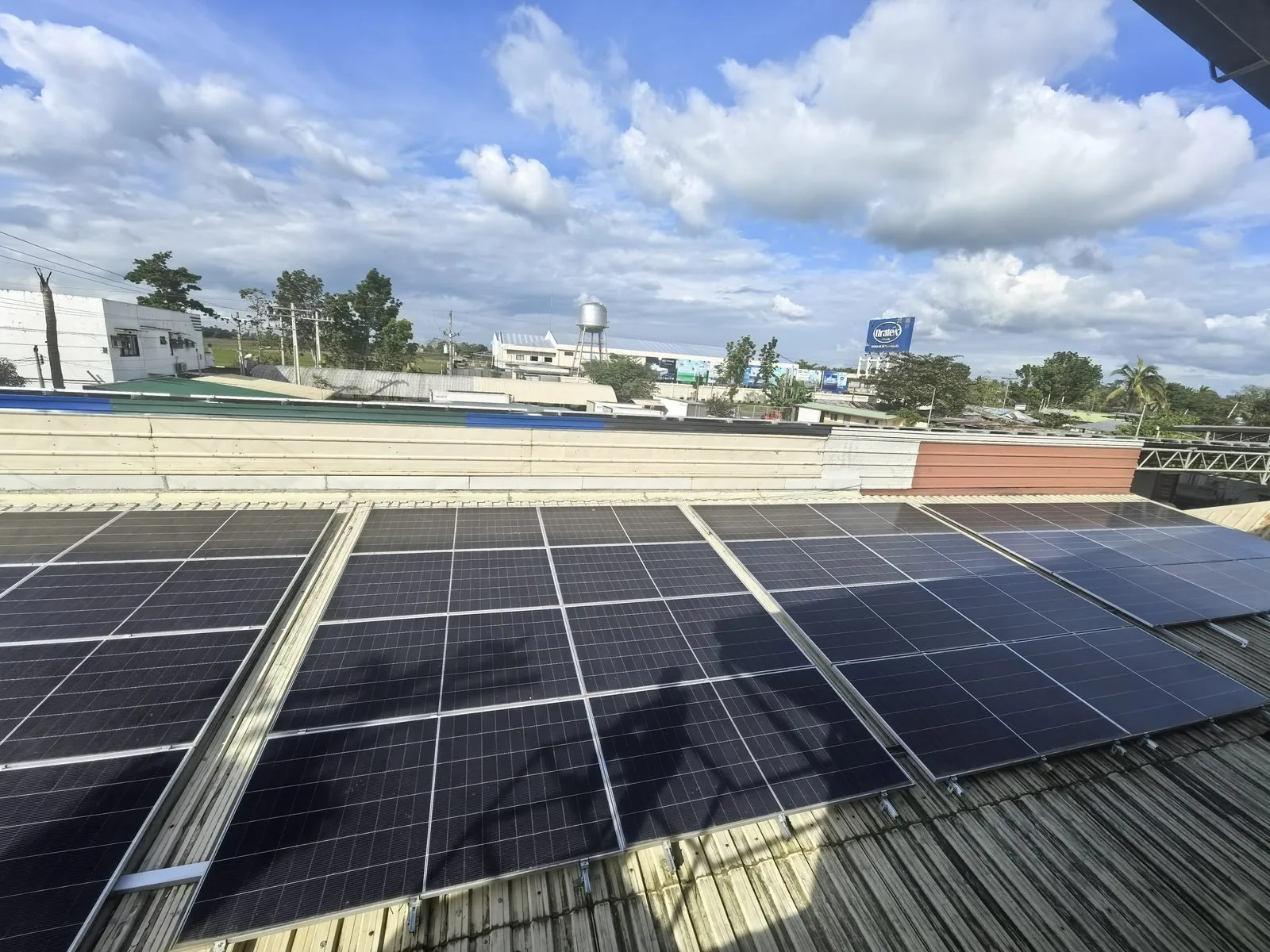
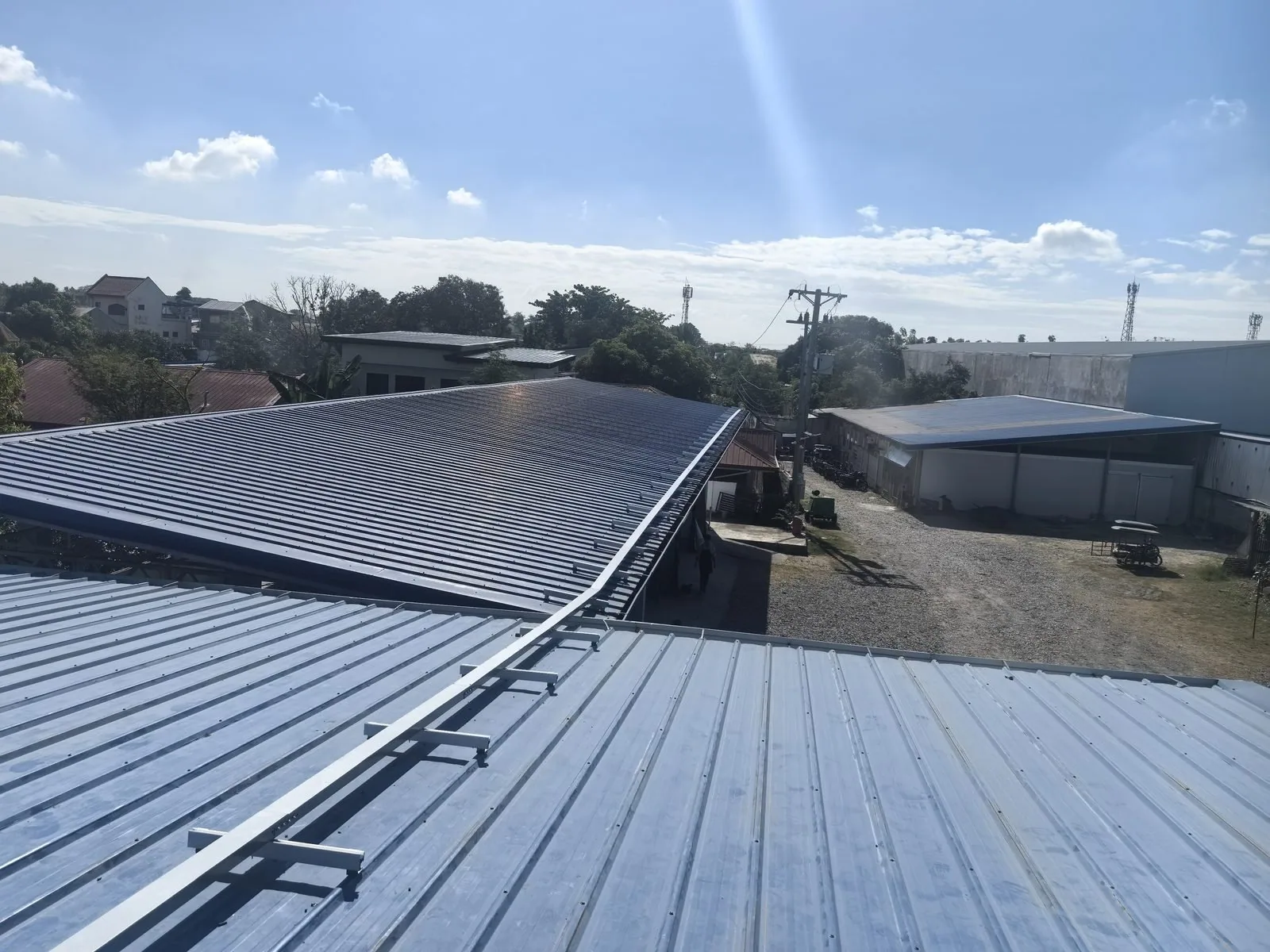
A 50kW hybrid system was configured with rooftop arrays across the property’s main buildings and battery storage sized to the evening load.
The hybrid inverters switch to battery seamlessly — no generator noise, no visible interruption.
SYSTEM CONFIGURATION
What was supplied.
The configuration below is the reference for this project; every new system is sized against its own load data.
Component
Configuration
Solar panels
≈ 90 × 550W modules
Hybrid inverters
3-phase with battery input
Battery
LFP storage sized to evening loads
Monitoring
App-based generation and consumption tracking
Results & ROI
Daytime consumption runs on solar; evenings and outages run on stored energy in silence.
Engineering estimates from the project configuration; verified results published when confirmed.
Performance figures are engineering estimates from the project configuration unless stated otherwise.
Why this architecture was chosen
Why hybrid, and not grid-tied
A grid-tied system shuts down when the grid does, which would have been the wrong answer here. Grid supply in the area is available but unreliable, and the owner specifically wanted quiet, generator-free backup. Hybrid inverters keep the villa running from solar and battery through a grid failure and hand back automatically when supply returns.
Why the battery follows the evening, not the whole property
The battery was sized to the evening load rather than to everything connected in the villa. Sizing to the full property would have pushed the cost up for capacity that rarely gets used, because daytime consumption is served directly by the array. The practical method is to read the meter between early evening and morning, and size from that block.
COMPONENT NOTES
Why each part was specified this way
Every quantity below is the one actually installed — nothing here is illustrative.
Component
What it does on this site
≈ 90 × 550 W modules
≈ 50 kW of PV distributed across rooftops on several buildings, rather than concentrated on one — the usable roof on this property is spread out.
Three-phase hybrid inverters
Three-phase because of pool equipment and air conditioning; the hybrid battery input is what lets charge and discharge run through a single machine.
LFP storage sized to evening loads
LiFePO4 rather than lead-acid matters here because the bank cycles daily: cycle life and usable depth of discharge decide what you actually bought.
App-based monitoring
Generation and consumption in one view, so the owner can check whether the system is doing what it was sized to do.
Applying this to your site
The value in a project like this is not the equipment list — it is the sequence of decisions behind it. If your site resembles this one, these are the questions worth answering before anyone quotes a capacity.
Establish the evening consumption block first — it sizes the battery, not the total connected load.
Check how many buildings offer usable roof and how each is fed; several smaller arrays often beat one big one on a villa.
Decide whether silence matters. If generator noise is unacceptable, the battery must cover the full outage window you care about.
Confirm single-phase or three-phase supply before choosing the inverter platform.
On a coastal site, check mounting hardware and inverter placement against salt exposure.
IMPLEMENTATION TIMELINE
From survey to commissioning.
Typical export project sequence — actual dates depend on destination and site.
A 50 kW hybrid solar system — rooftop arrays spread across the property’s main buildings, paired with LFP battery storage sized to the evening load. The hybrid inverters switch to battery without a visible interruption.
How many solar modules does the 50 kW villa system use?
Around 90 × 550 W modules, feeding three-phase hybrid inverters that accept battery input.
Does the villa still need a generator?
No. Grid supply in the area is available but unreliable, and the owner specifically wanted quiet, generator-free backup — that is what the battery bank covers.
Can the owner track how the system is performing?
Yes. App-based monitoring covers both generation and consumption.
START A PROJECT
Get the same results
Send your load profile, grid conditions and destination — we will prepare a sized configuration for your site.