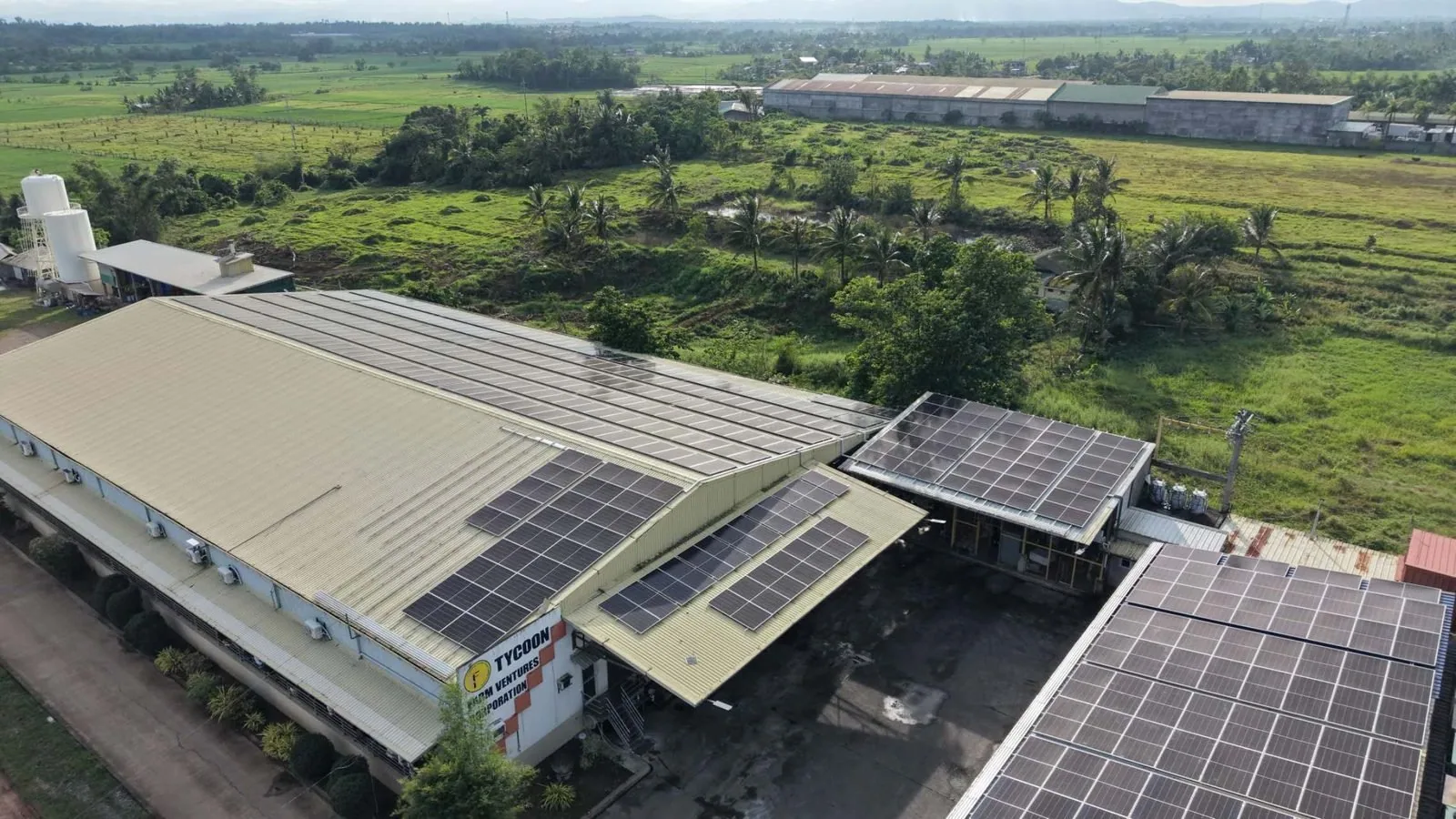
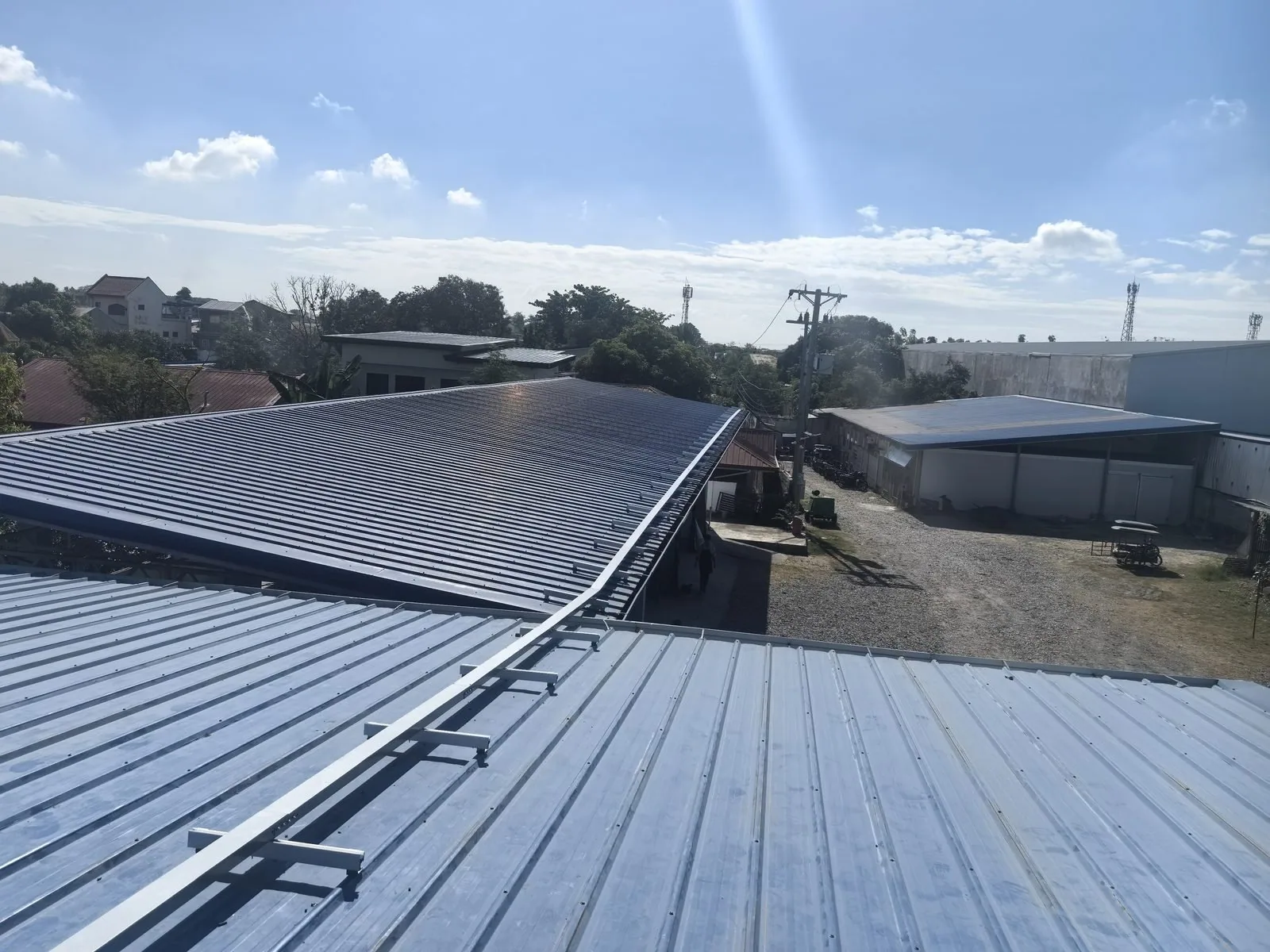
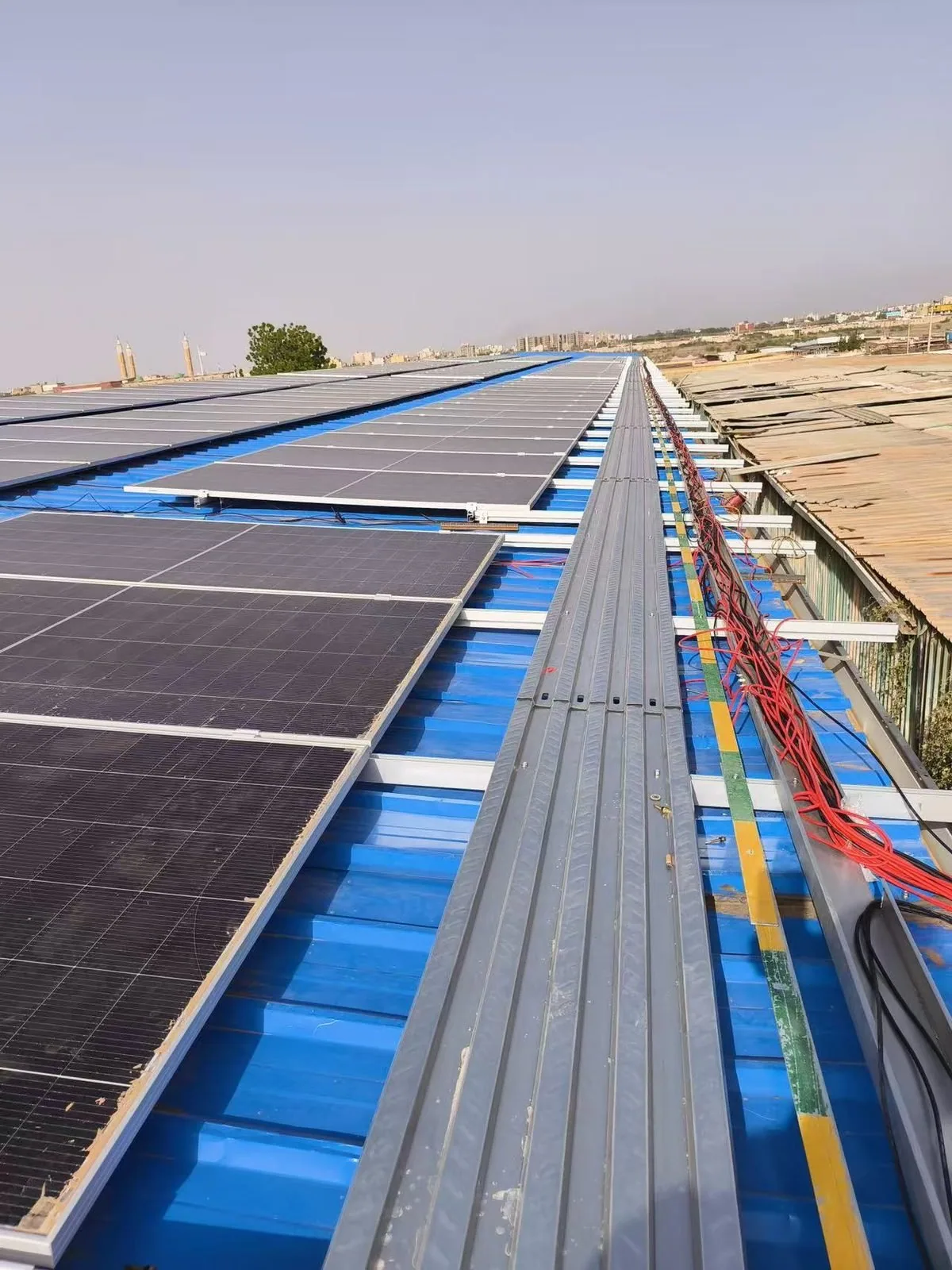
Cold storage is an unforgiving load: compressors run day and night, start with a heavy surge, and the product in the rooms carries real value. This facility in Isabela province needed lower electricity cost without adding risk to the cold chain.
The site offered ample roof and adjacent land, with a grid connection that is present but not always reliable.
The challenge
Round-the-clock refrigeration load, compressor starting surges, and zero tolerance for extended outages.
The Solution
The PV array was sized to cover the heavy daytime refrigeration load, with inverter capacity checked against simultaneous compressor starts. The electrical design keeps the system storage-ready so a battery can carry outage cover in a second phase.
Cable routes and inverter placement were planned for a humid, high-uptime environment, with monitoring configured for generation and alarm tracking.
SYSTEM CONFIGURATION
What was supplied.
The configuration below is the reference for this project; every new system is sized against its own load data.
Component
Configuration
Solar panels
≈ 550 × 550W N-type TOPCon modules
Inverters
3 × 100kW, 3-phase
Mounting
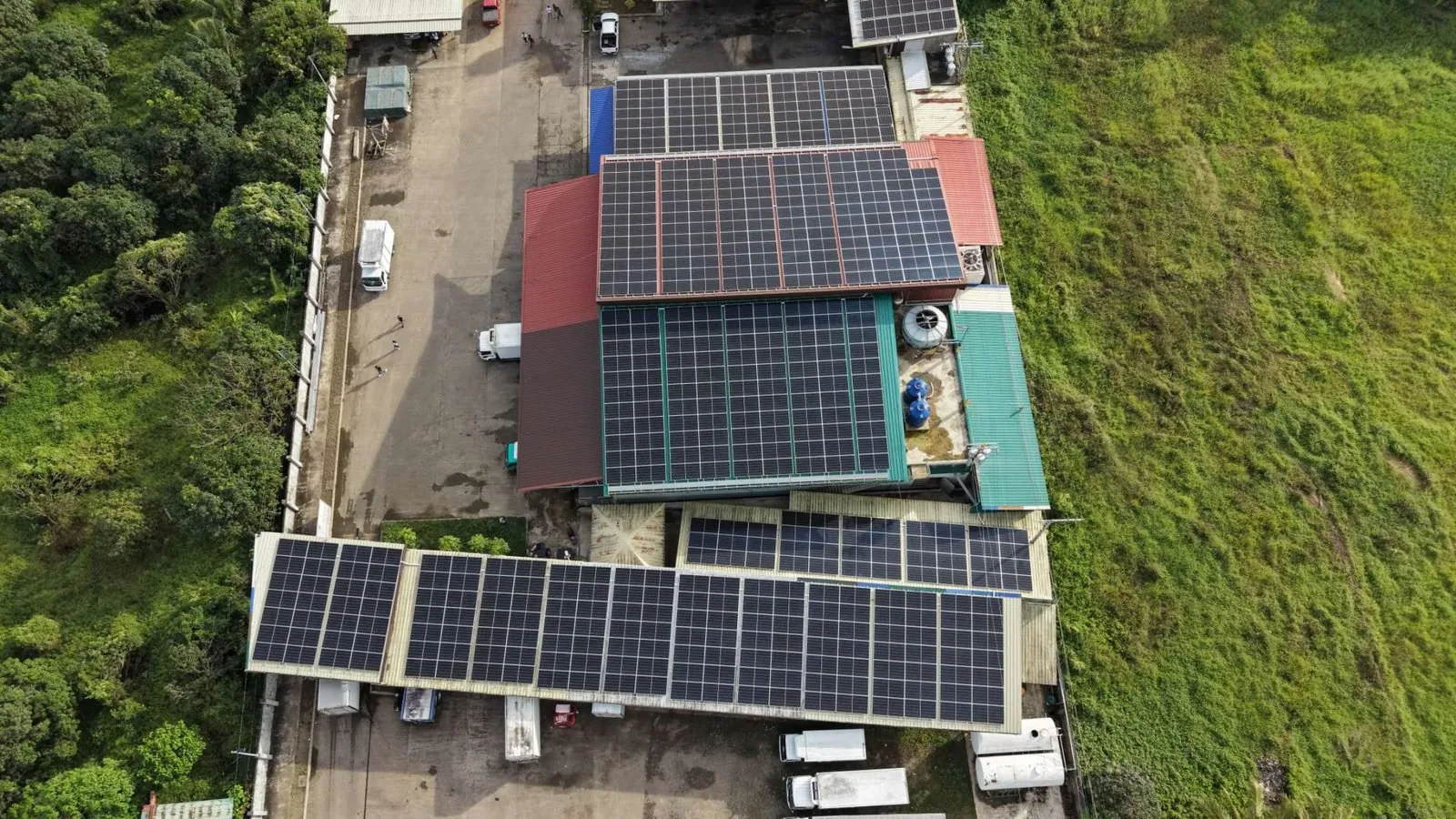
Roof and ground sections by site layout
Monitoring
Remote generation and alarm monitoring
Results & ROI
Daytime solar generation covers the bulk of the refrigeration load — the period when compressors work hardest against ambient heat.
Backup-hour targets and battery sizing were defined in the engineering phase; storage can be retrofitted without replacing the inverter platform.
Performance figures are engineering estimates from the project configuration unless stated otherwise.
Why this architecture was chosen
Why the array follows daytime load, not total consumption
The array was sized to cover the heavy daytime refrigeration load — the period when compressors work hardest against ambient heat. Sizing instead to total site consumption would have pushed PV beyond what the facility can actually consume during sun hours.
Why storage was left to phase two
The grid connection is present but not always reliable, and the site has zero tolerance for extended outages — but those two things cannot be paid for at once. Keeping the electrical architecture storage-ready means a battery can be retrofitted later without replacing the inverter platform, with backup-hour targets defined during engineering rather than guessed at quotation.
COMPONENT NOTES
Why each part was specified this way
Every quantity below is the one actually installed — nothing here is illustrative.
Component
What it does on this site
≈ 550 × 550 W modules
≈ 300 kW spread across roof and ground sections according to the site layout.
3 × 100 kW three-phase inverters
Three machines rather than one large unit: redundancy if a unit is down, and capacity checked against simultaneous compressor starts.
Roof and ground sections
Using available ground avoids concentrating all array weight on the building structure.
Remote generation and alarm monitoring
Configured for a humid, high-uptime environment where nobody should be relying on a manual walk-through to find a problem.
Applying this to your site
The value in a project like this is not the equipment list — it is the sequence of decisions behind it. If your site resembles this one, these are the questions worth answering before anyone quotes a capacity.
Audit the compressors: quantity, running pattern and simultaneous start current. This decides inverter count more than total kW does.
Set the backup-hour target in writing before phase two — it is the single number that sizes the battery.
Check whether roof and ground are both available; spreading an array usually reduces structural work.
Plan cable routes and inverter placement around moisture, not convenience.
Keep the monitoring scope on alarms, not generation alone. A cold room losing temperature is the expensive failure mode.
Check what the distribution utility credits exported energy at before fixing the array size — the Philippine net metering guide works through the rate and the cap.
IMPLEMENTATION TIMELINE
From survey to commissioning.
Typical export project sequence — actual dates depend on destination and site.
Week 1–2
Load measurement and compressor audit
Week 3–4
Engineering and BOM
Week 5–8
Shipment and delivery
Week 9–12
Installation and commissioning
PROJECT GALLERY
Installation records.
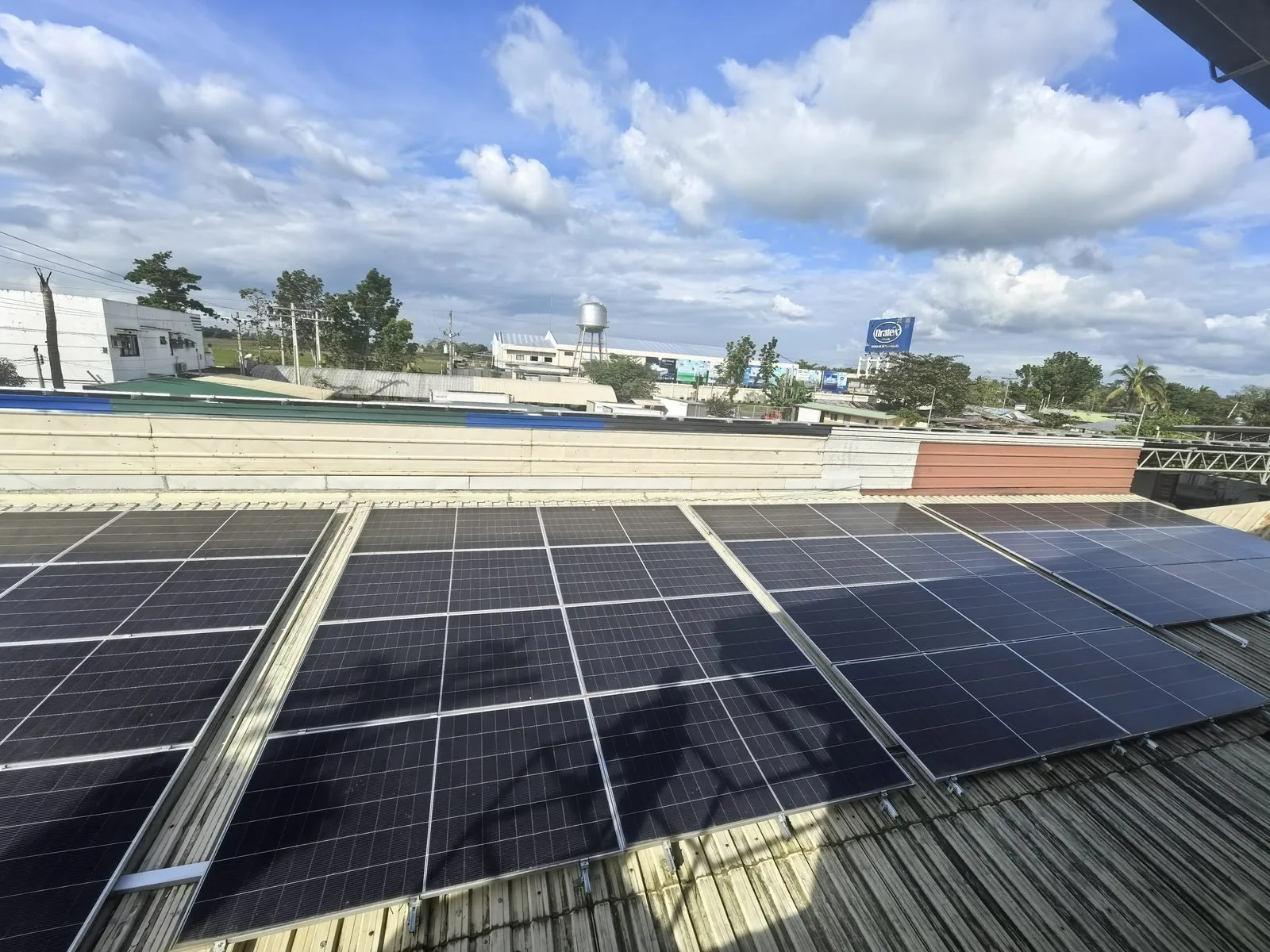
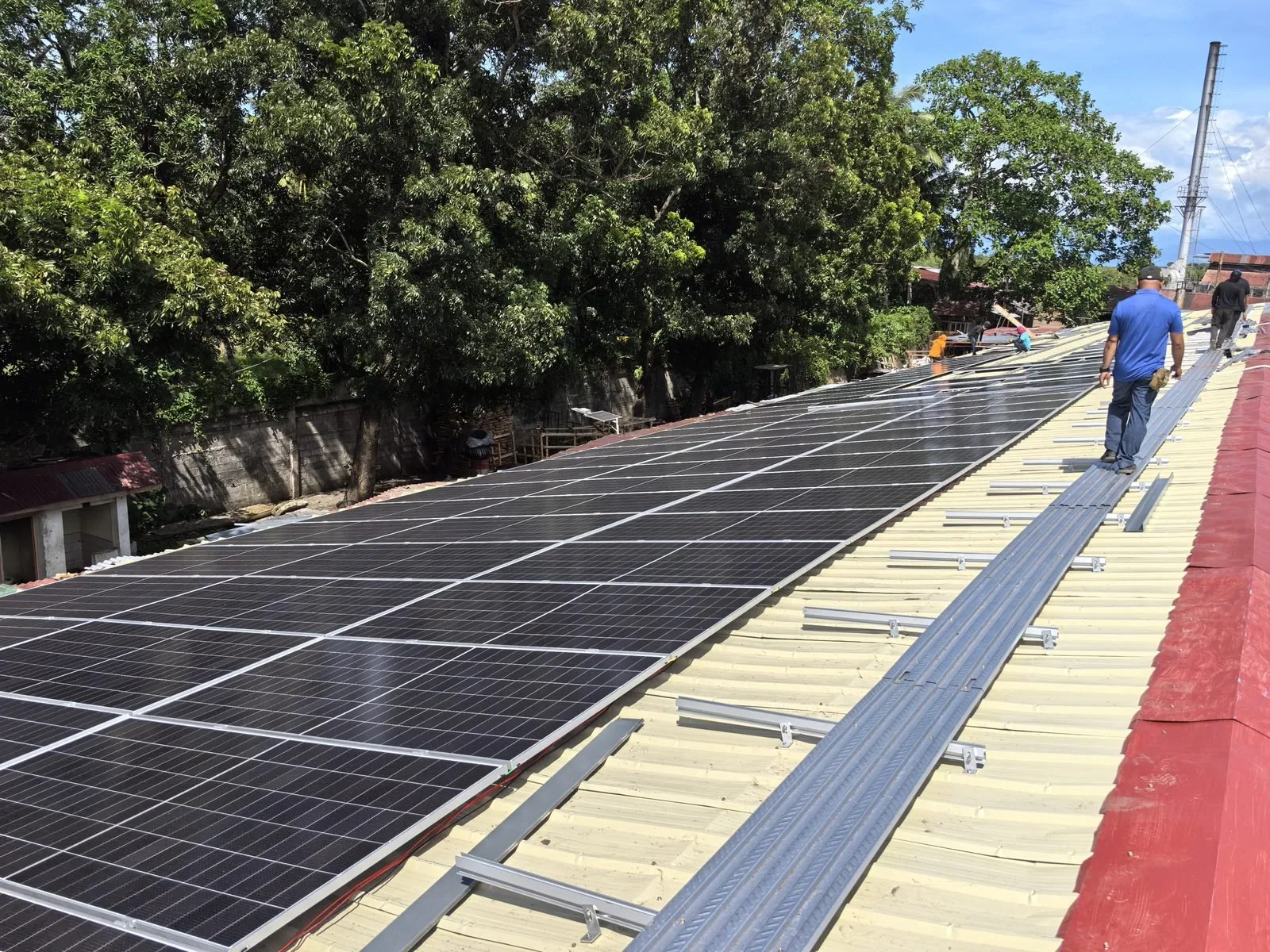
Rooftop array on the cold storage facilitySite buildings with solar arraysAerial view of the completed installation
Why was inverter capacity checked against compressor starts?
Cold storage is an unforgiving load — compressors run day and night and start with a heavy surge. Inverter capacity was sized against simultaneous compressor starts.
What hardware was used at Isabela?
Around 550 × 550 W N-type TOPCon modules and three 100 kW three-phase inverters, mounted across roof and ground sections according to the site layout.
Is the system backed up by batteries?
It is built on-grid and storage-ready. The grid connection is present but not always reliable, and the design accounts for zero tolerance for extended outages.
How is the plant monitored?
Remote monitoring covers both generation and alarms, configured for a humid, high-uptime environment.
START A PROJECT
Get the same results
Send your load profile, grid conditions and destination — we will prepare a sized configuration for your site.