Wastewater treatment cannot simply stop when the grid does — pumps, aeration and control systems must run continuously. This facility faced an unreliable grid and depended on diesel generation for continuity.
The objectives were clear: cut diesel runtime, protect the process, and keep the design maintainable with locally available skills.
The challenge
Continuous process loads, an unreliable grid, and high diesel costs — in a hot, dusty installation environment.
The Solution
A hybrid architecture was configured: PV supplies the daytime process load, the battery bridges outages for critical circuits, and the diesel generator remains only for extended events.
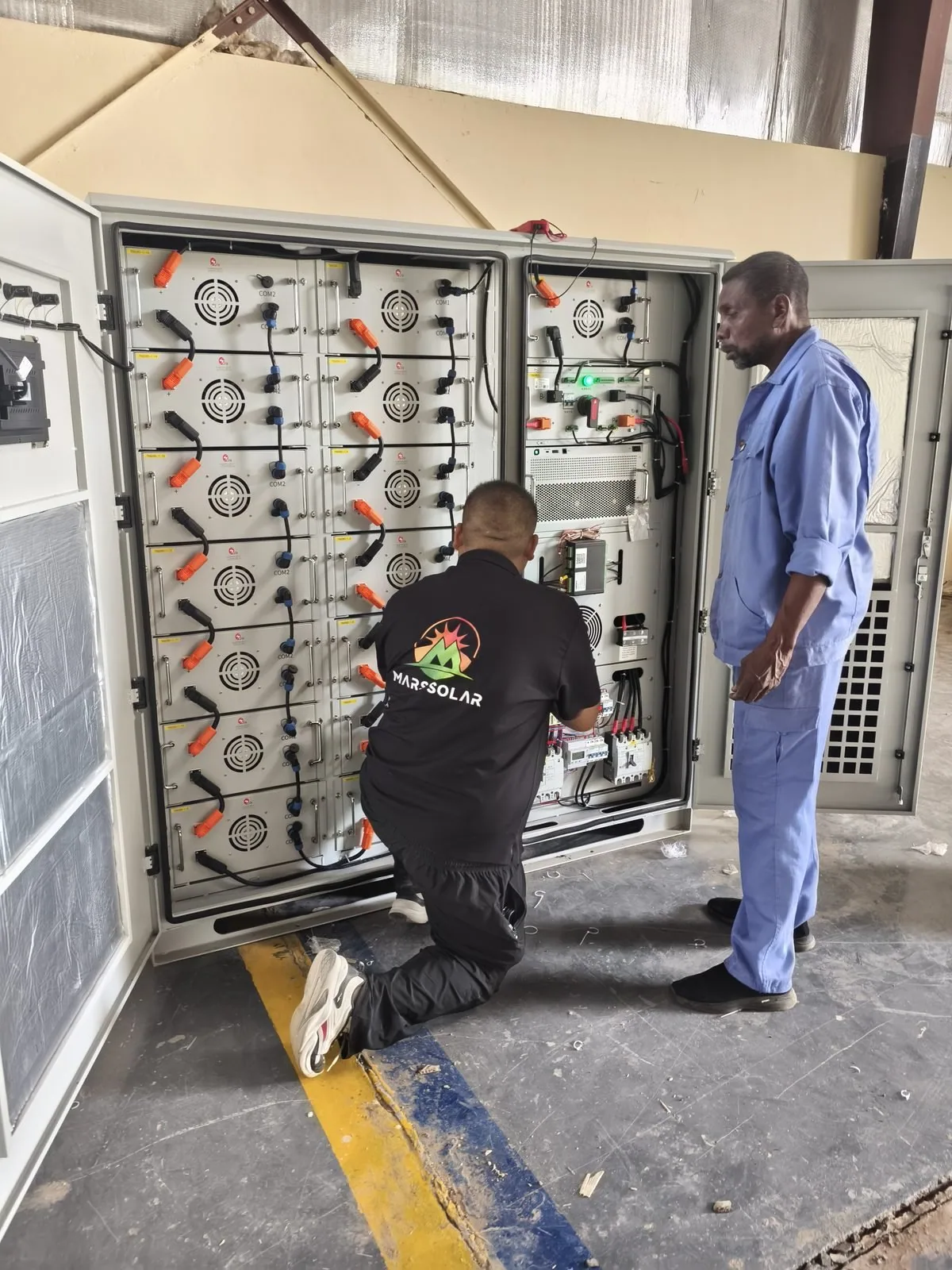
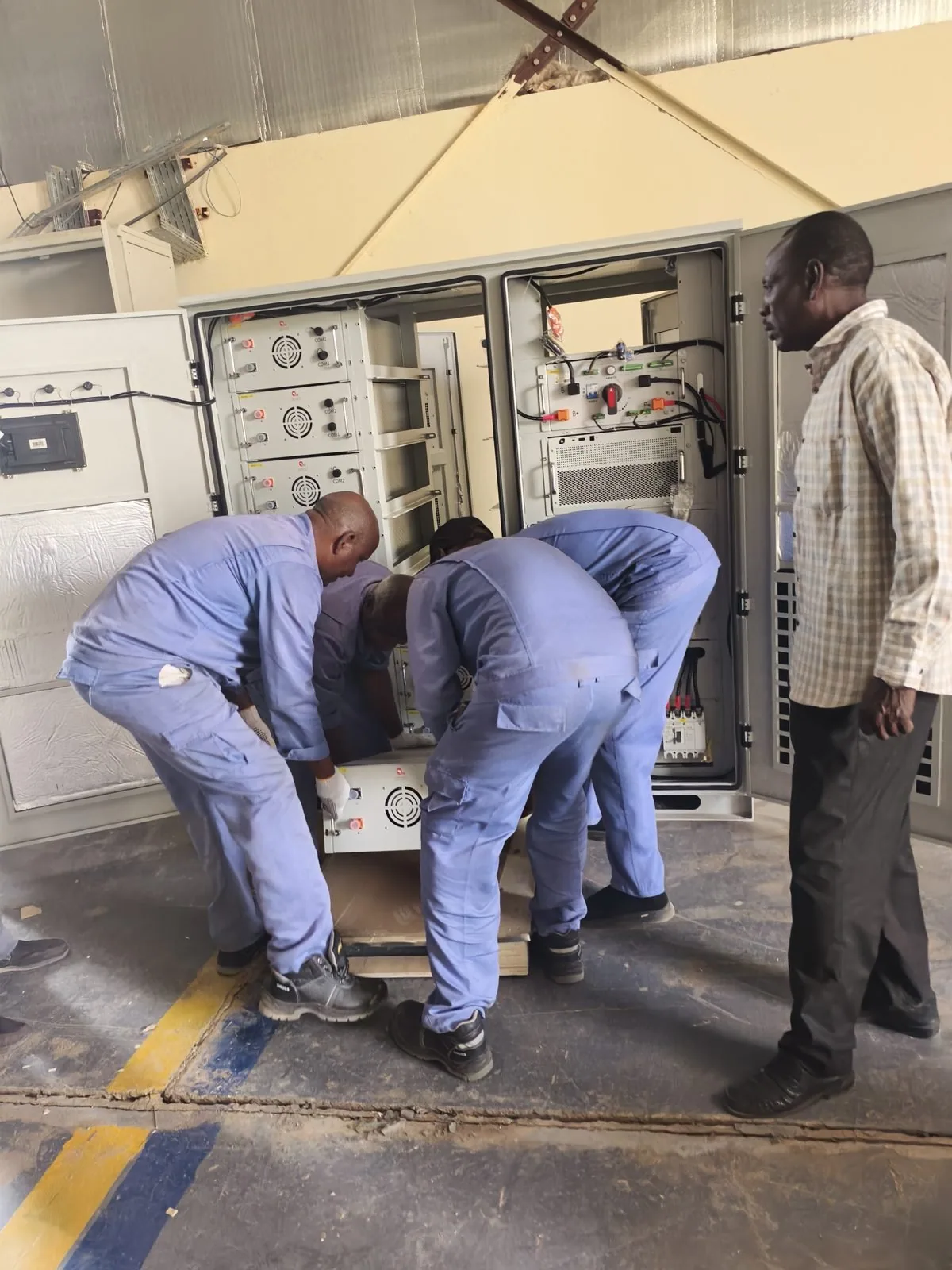
Battery cabinets and electrical equipment were specified for high-temperature, dusty conditions, with installation handled by the local team under remote engineering guidance.
SYSTEM CONFIGURATION
What was supplied.
The configuration below is the reference for this project; every new system is sized against its own load data.
Component
Configuration
Solar panels
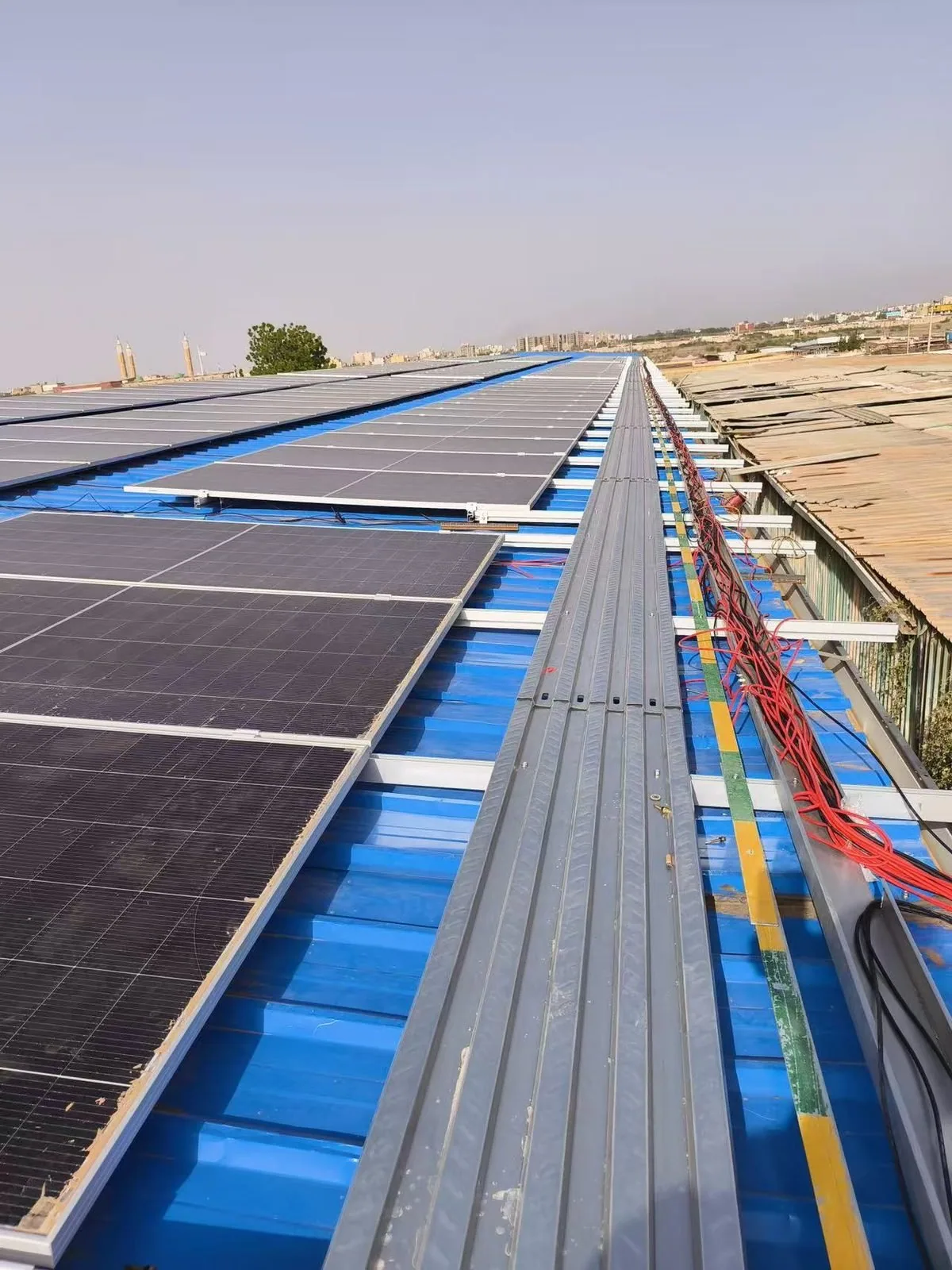
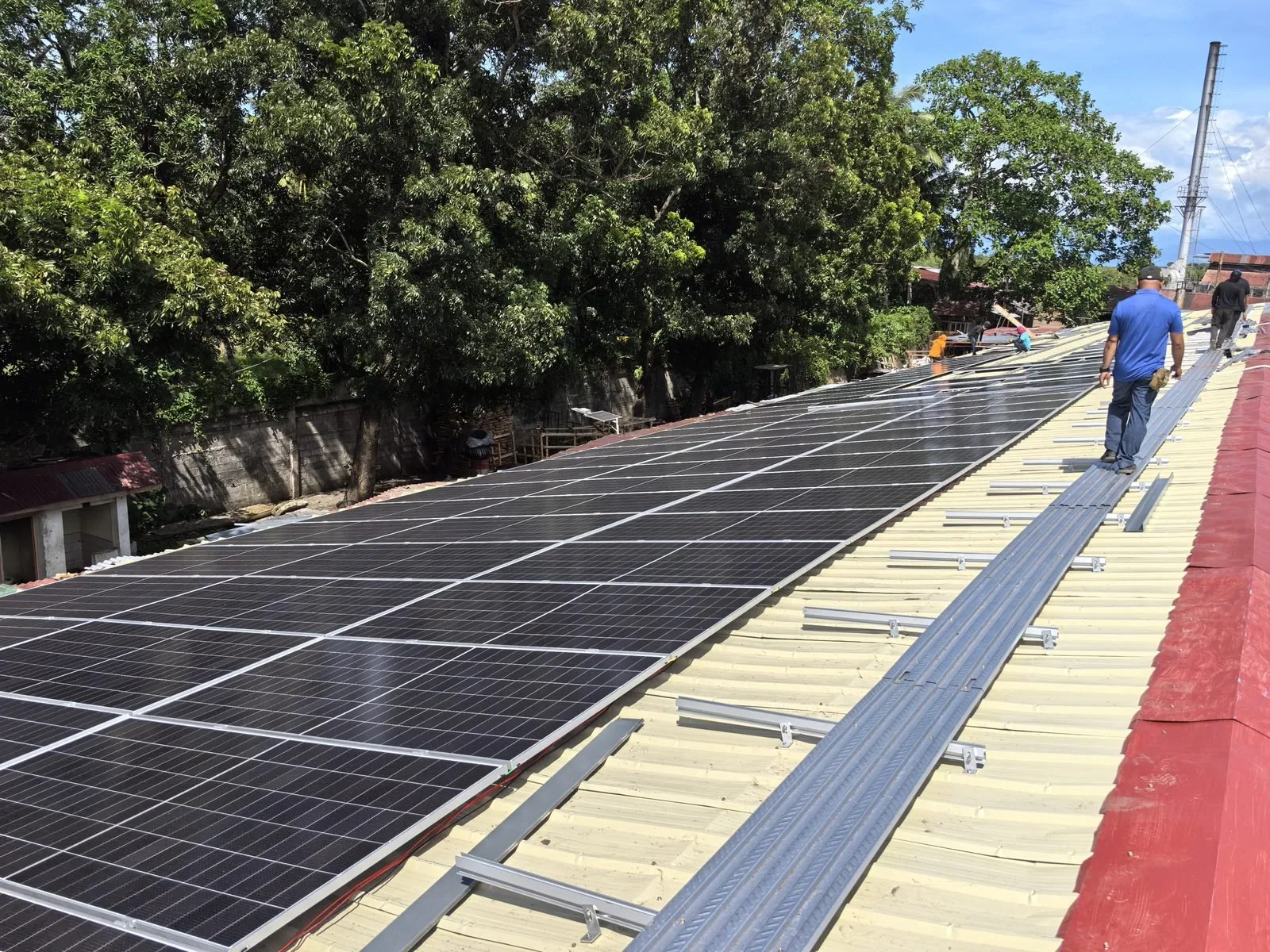
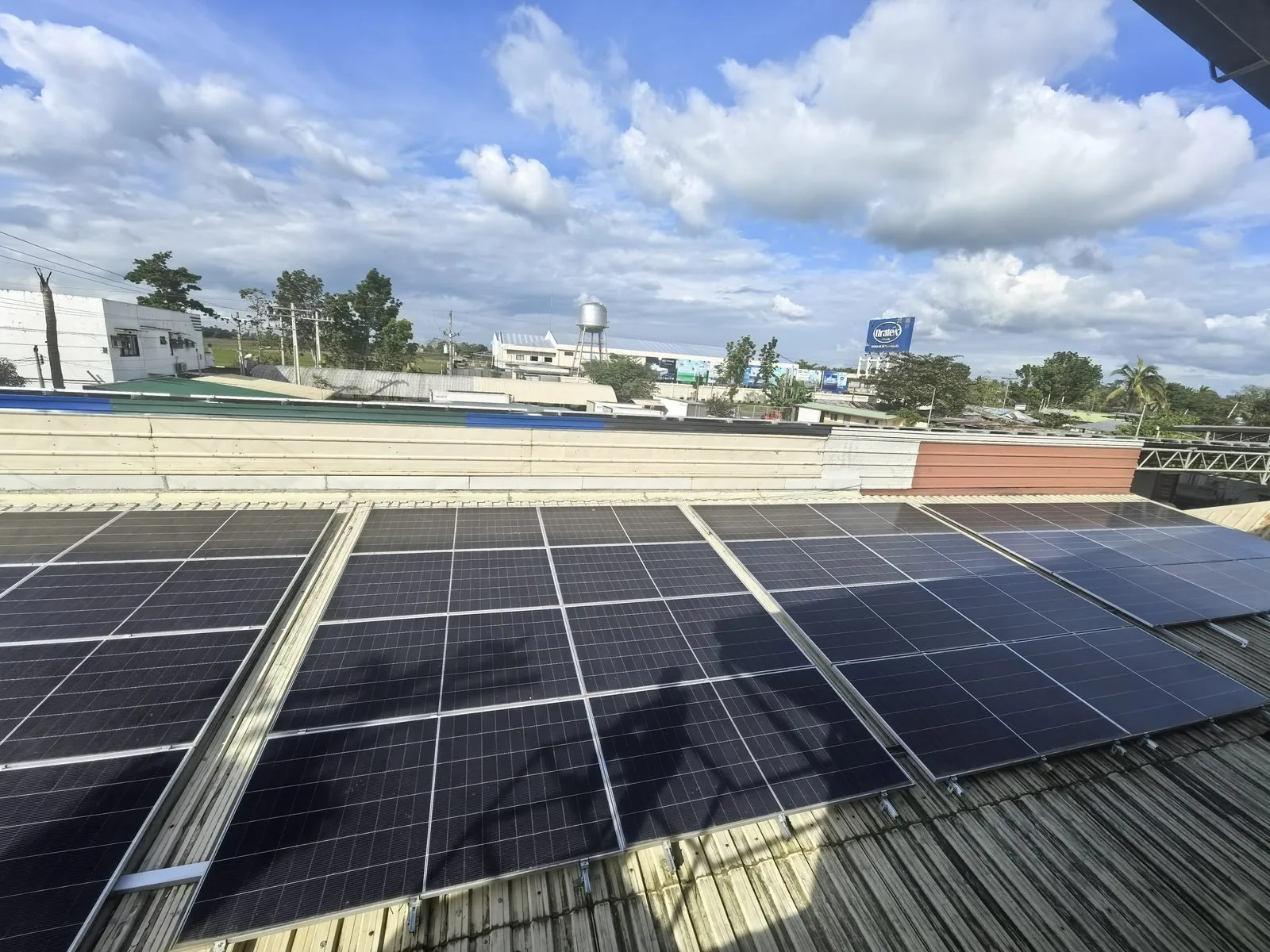
≈ 180 × 550W modules
Hybrid inverters
3-phase with battery and generator input
Battery
LFP cabinet storage, sized to critical loads
Protection
Dust-rated enclosures, SPD and surge protection
Results & ROI
Diesel generator runtime drops to extended-outage events only; solar carries the daylight process load.
Critical circuits remain powered through grid failures without process interruption.
Performance figures are engineering estimates from the project configuration unless stated otherwise.
Why this architecture was chosen
Why this could not be a grid-tied system
Wastewater treatment cannot simply stop when the grid does — pumps, aeration and control systems have to run continuously. That single constraint removes grid-tied from consideration, because it would switch off exactly when the process most needs power. A hybrid architecture is what keeps the plant running through failures.
Why the generator was kept rather than removed
Sizing a battery to cover every conceivable outage is expensive and rarely justified. Keeping the generator for extended events while the battery bridges the common short failures is what makes the numbers work — and it meets the stated objective of cutting diesel runtime rather than eliminating the asset.
COMPONENT NOTES
Why each part was specified this way
Every quantity below is the one actually installed — nothing here is illustrative.
Component
What it does on this site
≈ 180 × 550 W modules
≈ 100 kW sized to cover the daylight process load.
Three-phase hybrid inverters
Accept both battery and generator input, so all three sources are coordinated by one machine.
LFP cabinet storage sized to critical loads
Sized to the critical circuits rather than the whole plant — which is affordable precisely because not everything needs backing up.
Dust-rated enclosures, SPD and surge protection
Specified for a hot, dusty installation environment, not a default specification.
Applying this to your site
The value in a project like this is not the equipment list — it is the sequence of decisions behind it. If your site resembles this one, these are the questions worth answering before anyone quotes a capacity.
Write the critical circuit list first. It is the difference between a battery you can afford and one you cannot.
Separate "must never stop" from "can wait". Backing up everything is how these projects get priced out.
Specify enclosures for the real environment — heat and dust shorten equipment life faster than load does.
Decide who maintains it. This project was kept maintainable with locally available skills and installed under remote guidance.
Keep the generator until the outage record proves it is unnecessary.
IMPLEMENTATION TIMELINE
From survey to commissioning.
Typical export project sequence — actual dates depend on destination and site.
Week 1–2
Load audit and critical circuit list
Week 3–4
Engineering and export packing
Week 5–9
Shipment and customs
Week 10–14
Installation and commissioning
PROJECT GALLERY
Installation records.
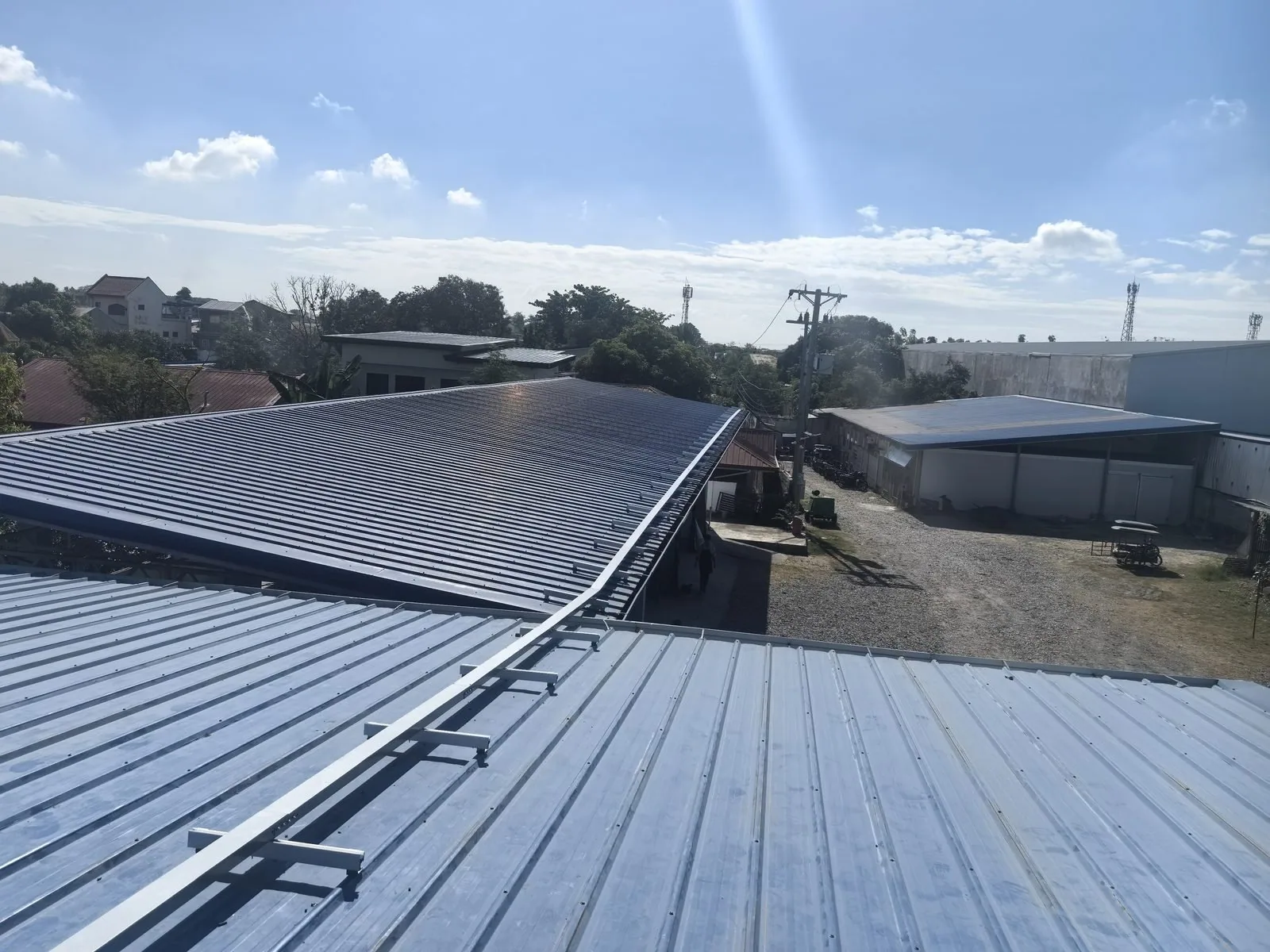
Rooftop array with maintenance walkwayPositioning equipment during installationBattery cabinet installation
How does the plant stay running when the grid fails?
PV supplies the daytime process load, the battery bridges outages for critical circuits, and the diesel generator remains for extended events.
How was the equipment adapted to the site?
Battery cabinets and electrical equipment were specified for high-temperature, dusty conditions.
Who carried out the installation?
The local team, working under remote guidance — the design was kept maintainable with locally available skills.
What was the objective of this project?
To cut diesel runtime, protect the treatment process and keep the system maintainable. Pumps, aeration and control systems cannot simply stop when the grid does.
START A PROJECT
Get the same results
Send your load profile, grid conditions and destination — we will prepare a sized configuration for your site.