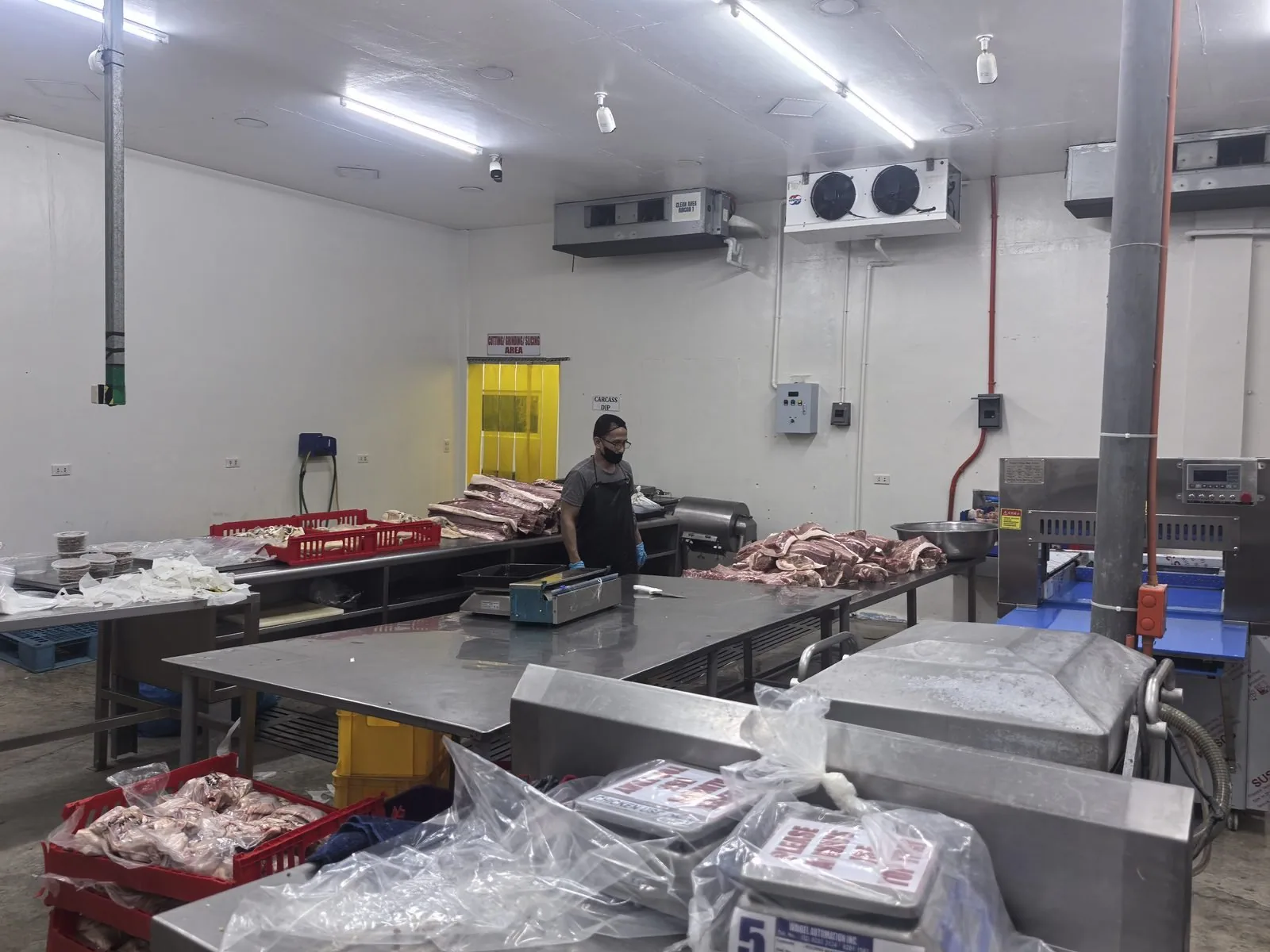
This Mangaldan facility stores temperature-sensitive goods for local distribution. Refrigeration is the dominant load and runs every day of the year — a profile that matches solar generation almost perfectly.
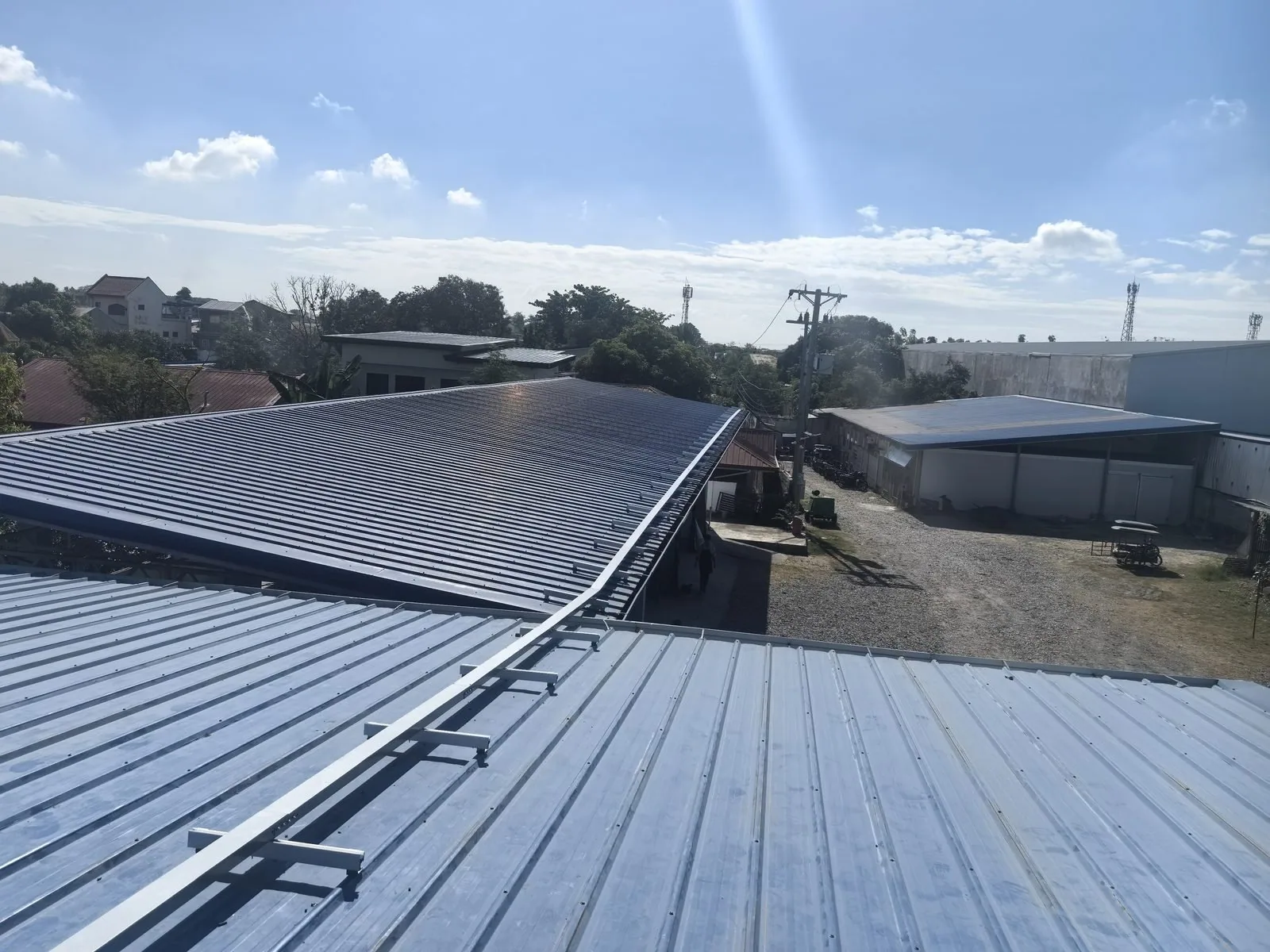
The roof structure and electrical room allowed a straightforward installation with short cable runs.
The challenge
A continuous refrigeration load on a site where every peso of electricity cost flows straight into product cost.
The Solution
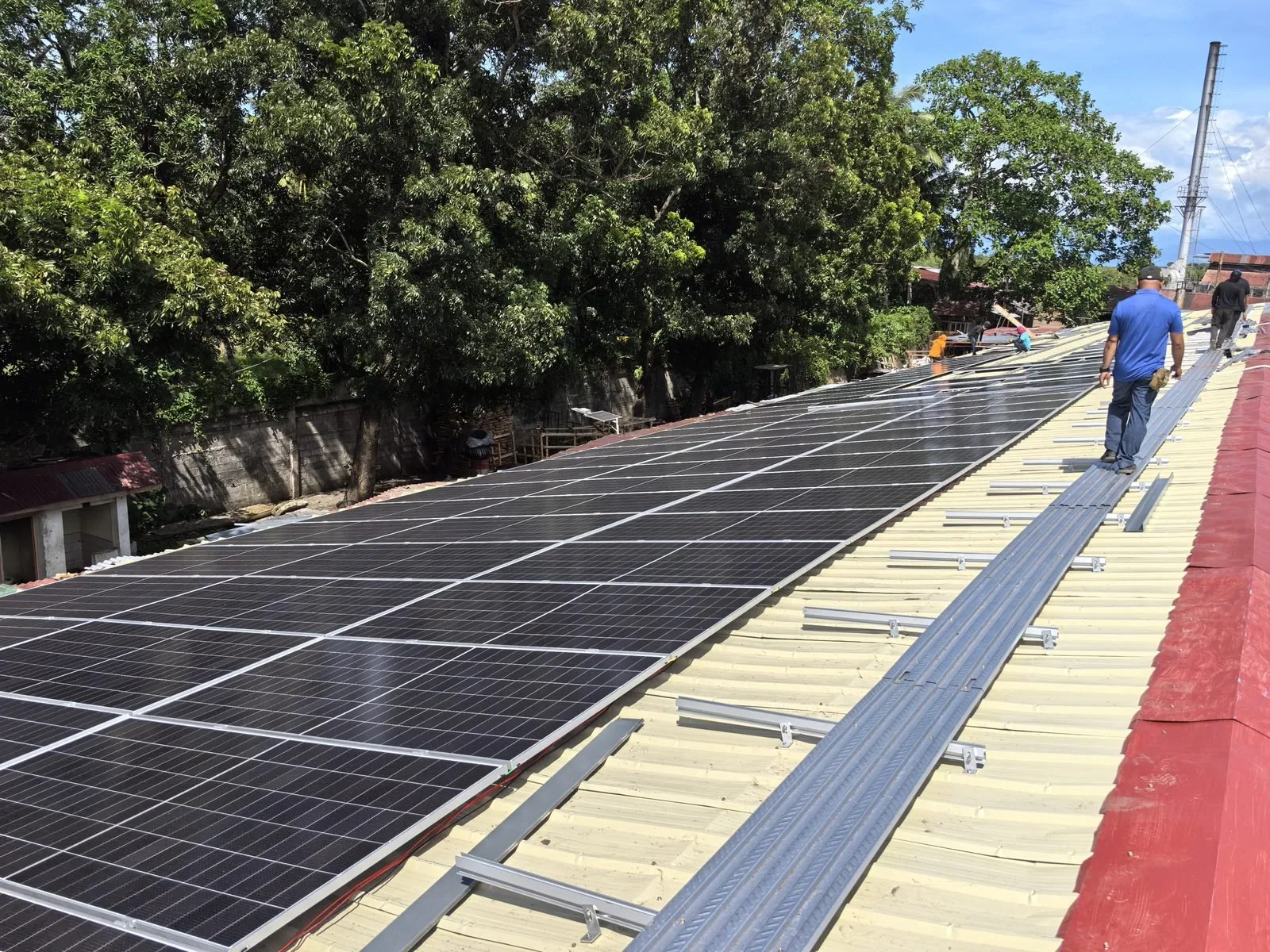
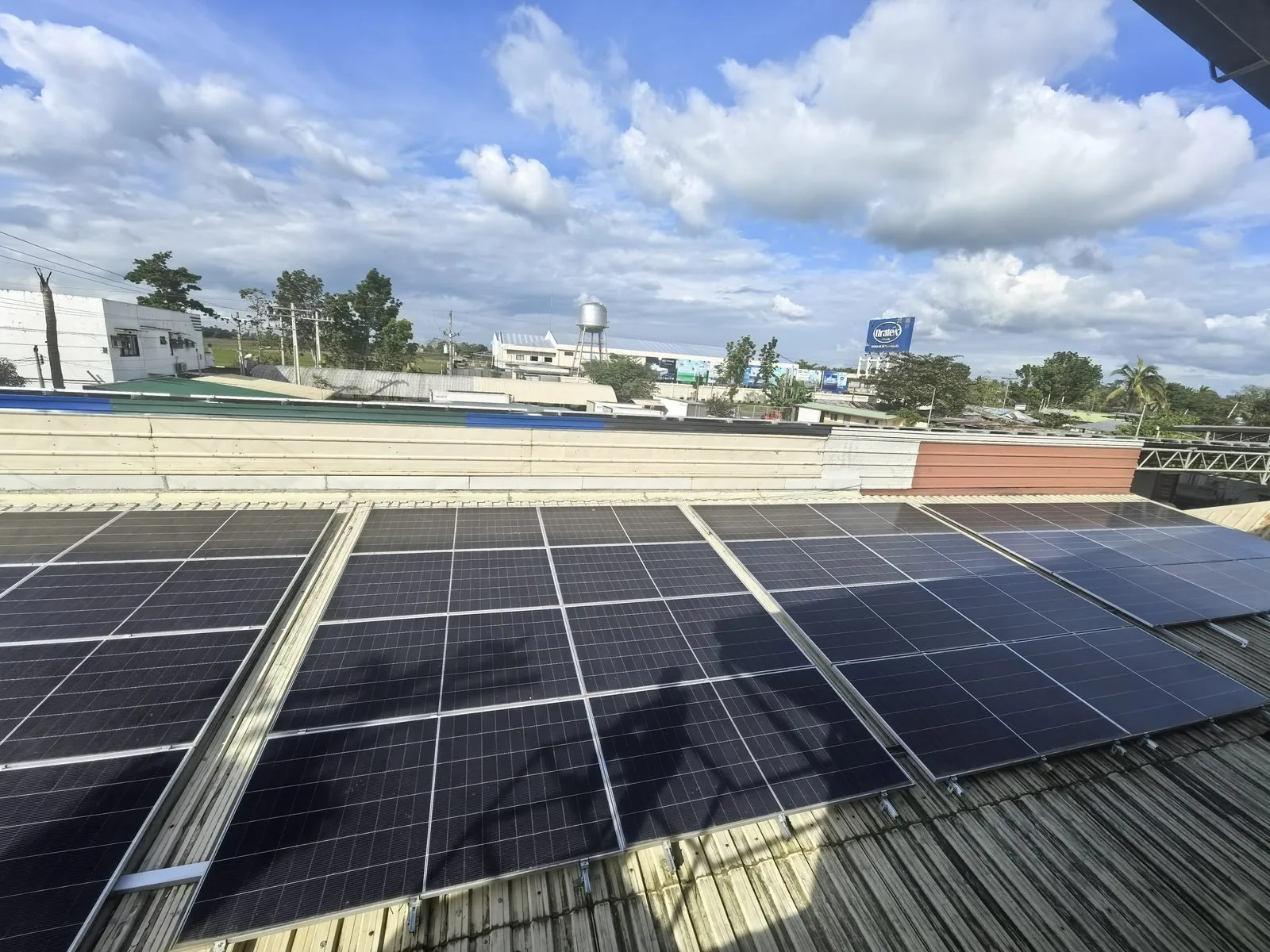
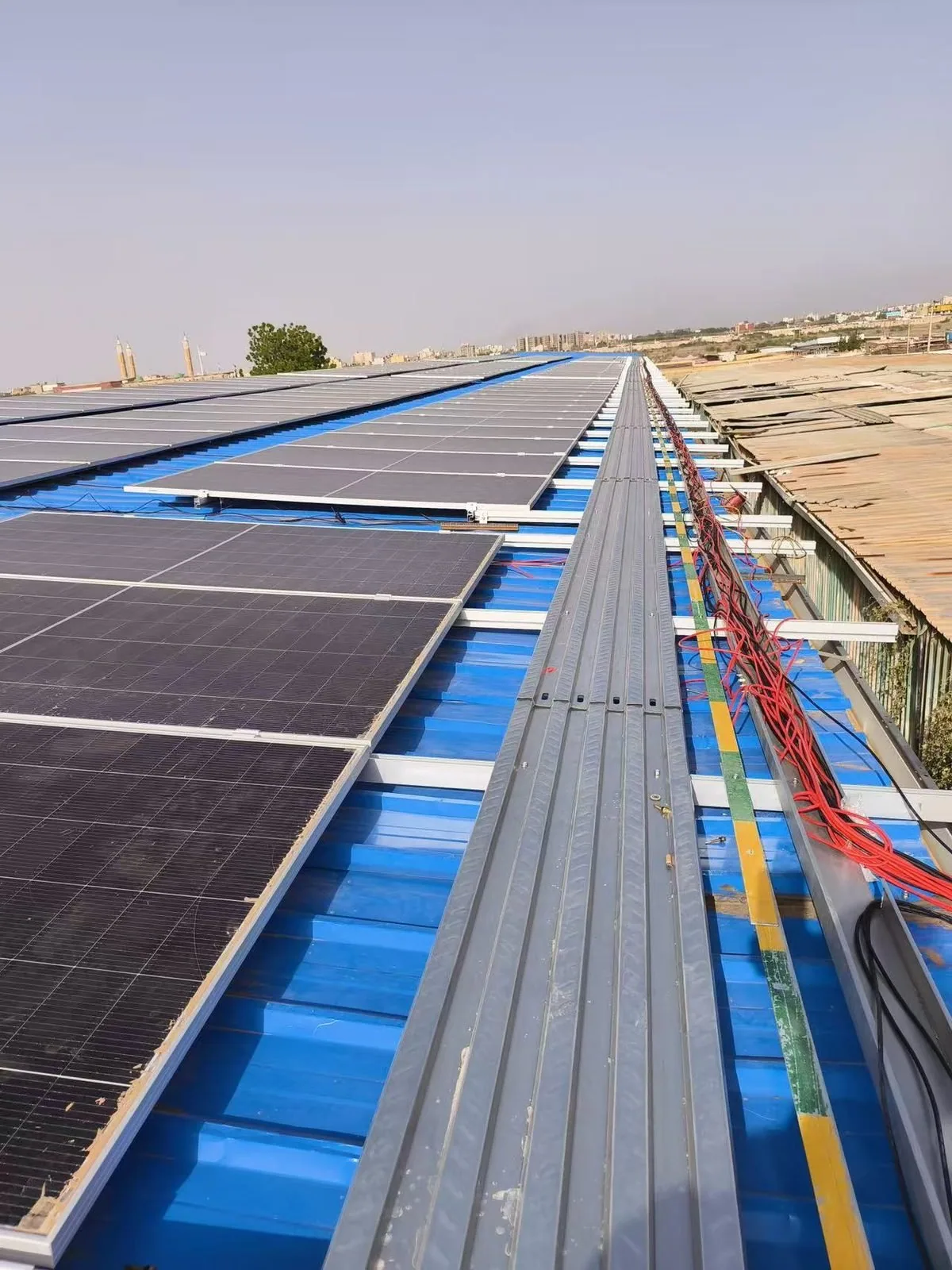
A 100kW on-grid system was configured to offset the daytime refrigeration load directly. The string layout follows the roof geometry, with walkways kept clear for panel cleaning and roof maintenance.
As with all our cold storage projects, the inverter platform is storage-ready for a future battery phase.
SYSTEM CONFIGURATION
What was supplied.
The configuration below is the reference for this project; every new system is sized against its own load data.
Component
Configuration
Solar panels
≈ 180 × 550W modules
Inverter
100kW grid-tied, 3-phase
Mounting
Metal-roof rail system with walkways
Monitoring
Remote generation monitoring
Results & ROI
Daytime generation of roughly 400 kWh per day in good sun directly offsets refrigeration consumption.
Engineering estimates from the project configuration; metered results published when confirmed.
Performance figures are engineering estimates from the project configuration unless stated otherwise.
Why this architecture was chosen
Why pure grid-tied is the right answer here
Refrigeration runs every day of the year and consumes most when the sun is strongest — a profile that matches solar generation almost perfectly. A grid-tied system offsets that daytime consumption directly and captures the value with no battery cost at all. Adding storage to this particular profile would extend payback without solving an outage problem.
Why storage-ready rather than storage
The inverter platform is specified storage-ready so a battery phase can be added later without replacing the inverters. That keeps phase one optimised for cost per kWh offset while leaving the option open.
COMPONENT NOTES
Why each part was specified this way
Every quantity below is the one actually installed — nothing here is illustrative.
Component
What it does on this site
≈ 180 × 550 W modules
≈ 100 kW of PV laid out to follow the roof geometry rather than forcing a uniform pattern onto it.
100 kW grid-tied three-phase inverter
Matched to a steady refrigeration load with three-phase compressor supply.
Metal-roof rail system with walkways
Keeps panel cleaning and roof maintenance possible without walking on, and damaging, the sheets.
Short cable runs
The roof structure and electrical room position allowed short runs to the inverter, which keeps both losses and cable cost down.
Remote generation monitoring
Flags when generation drops below expectation — which is how a soiling or fault issue gets caught before it quietly eats the savings.
Applying this to your site
The value in a project like this is not the equipment list — it is the sequence of decisions behind it. If your site resembles this one, these are the questions worth answering before anyone quotes a capacity.
Pull a day-by-day load curve before sizing. A flat all-year refrigeration load suits grid-tied solar — but only if it really is flat.
Have simultaneous compressor starting current checked against inverter capacity. It is the most common miss on cold storage.
Keep cleaning access in the design from the start; a dirty array erodes the savings case silently.
Decide up front whether outage cover matters. If it does, specify a storage-ready platform even if batteries come later.
Verify roof structure and walkability before committing to an array layout.
Check what the distribution utility credits exported energy at before fixing the array size — the Philippine net metering guide works through the rate and the cap.
IMPLEMENTATION TIMELINE
From survey to commissioning.
Typical export project sequence — actual dates depend on destination and site.
Week 1–2
Survey and load review
Week 3–4
Engineering and packing
Week 5–7
Shipment
Week 8–10
Installation and commissioning
PROJECT GALLERY
Installation records.
Rooftop arrays on the facilityCold storage interior served by the system
Is the Mangaldan cold storage system on-grid or hybrid?
On-grid. A 100 kW grid-tied three-phase inverter offsets the daytime refrigeration load directly, with around 180 × 550 W modules on the roof.
How much does the system generate?
Roughly 400 kWh per day in good sun, which goes straight into the refrigeration consumption.
Can battery storage be added later?
Yes. As with all our cold storage projects, the inverter platform is storage-ready for a future battery phase.
How was the roof handled?
A metal-roof rail system with walkways. The string layout follows the roof geometry, and short cable runs to the electrical room kept the installation straightforward.
START A PROJECT
Get the same results
Send your load profile, grid conditions and destination — we will prepare a sized configuration for your site.