A hotel sells comfort, and comfort is electricity: air conditioning, hot water, kitchens, lighting and lifts. This Ghanaian property faced high tariffs plus outage events that directly hit the guest experience.
Evening is the critical window — occupancy and cooling demand peak just as solar generation falls away.
The challenge
Evening-heavy load profile, guest-visible outages, and rising grid tariffs.
The Solution
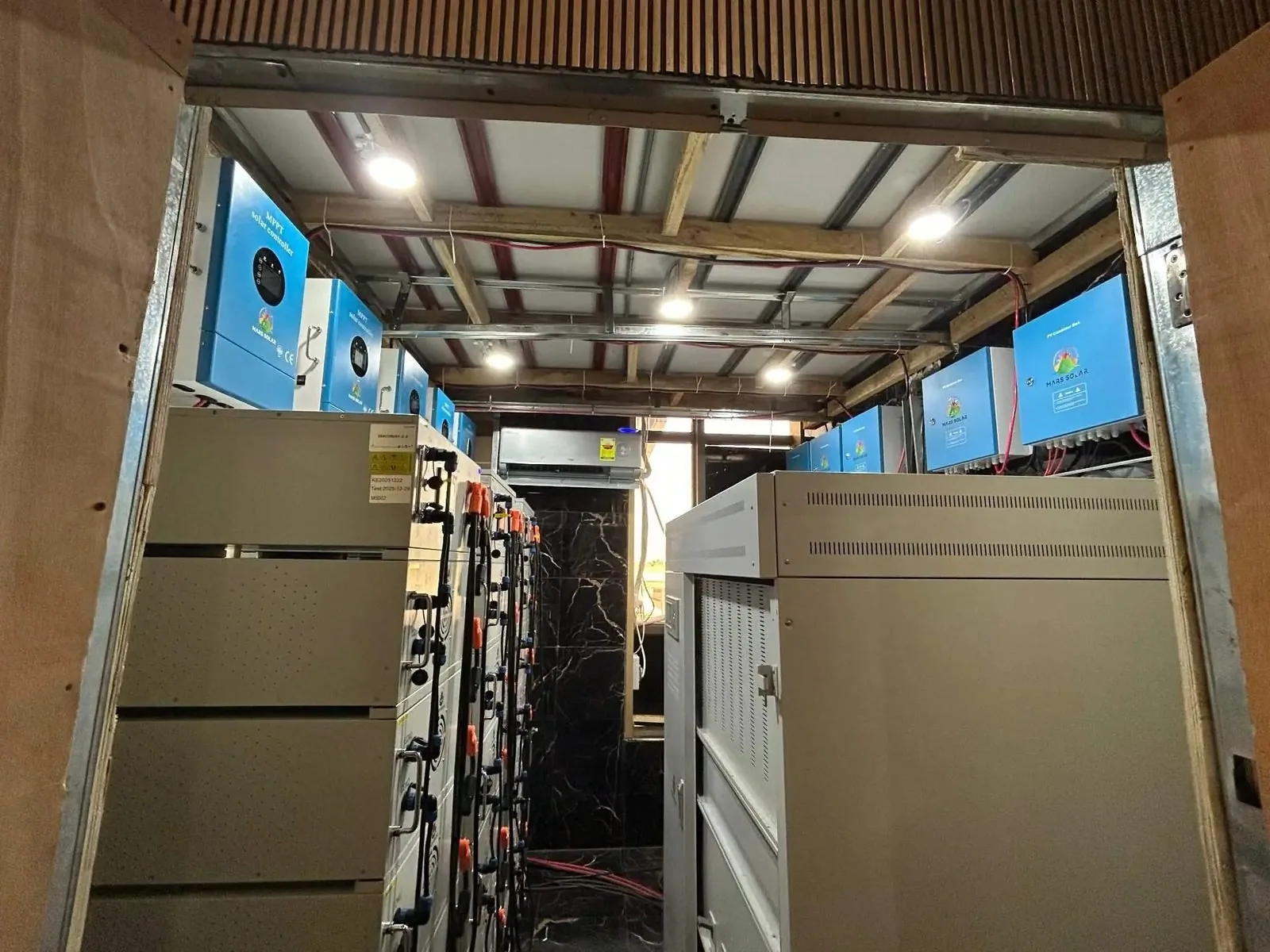
A hybrid system was configured: solar offsets the daytime load, and rack-mounted LFP storage — installed in a ventilated container — carries the evening peak and bridges outages without a flicker.
The generator remains as the last resort for extended events, with automatic coordination between sources.
SYSTEM CONFIGURATION
What was supplied.
The configuration below is the reference for this project; every new system is sized against its own load data.
Component
Configuration
Solar panels
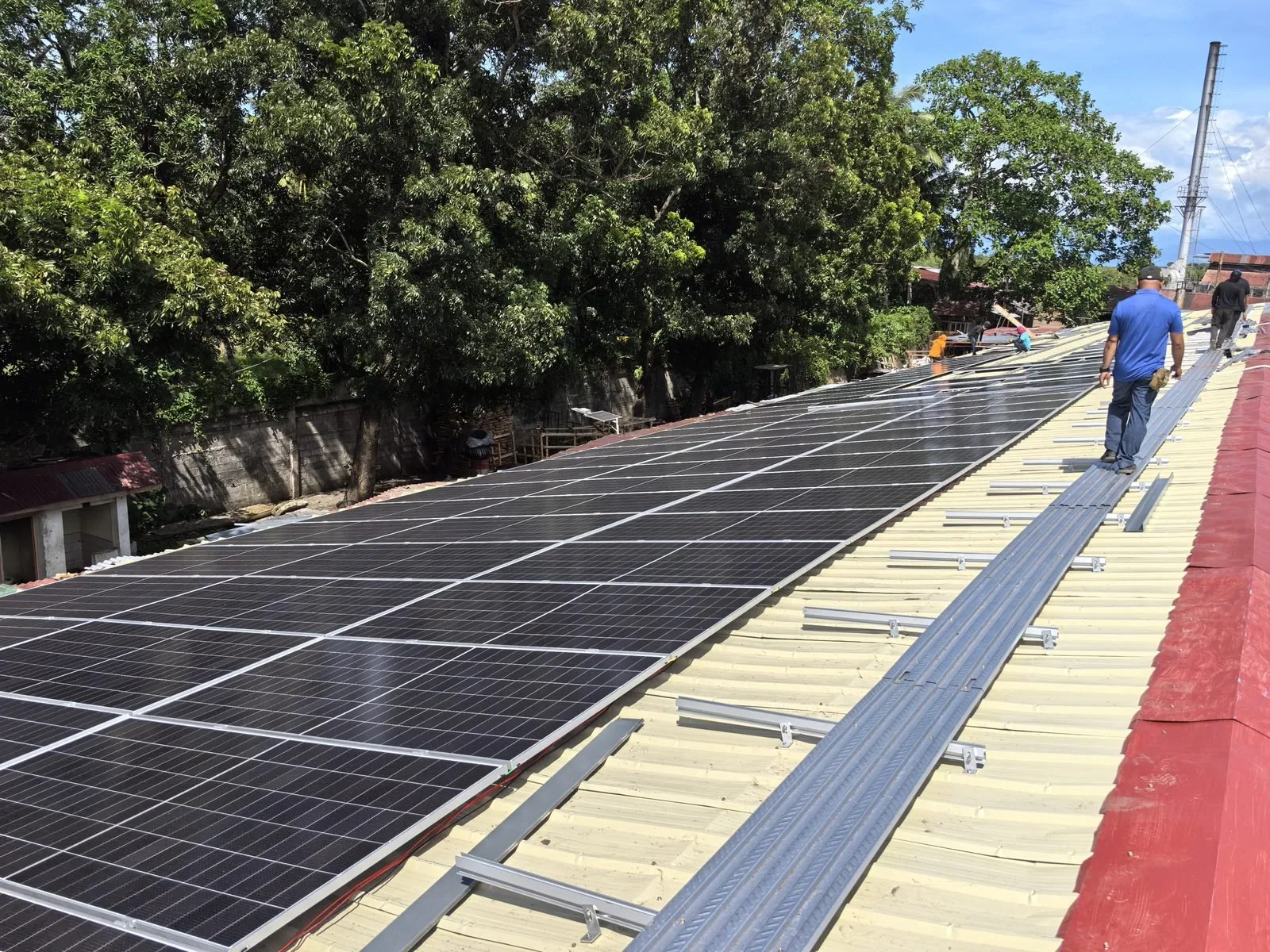
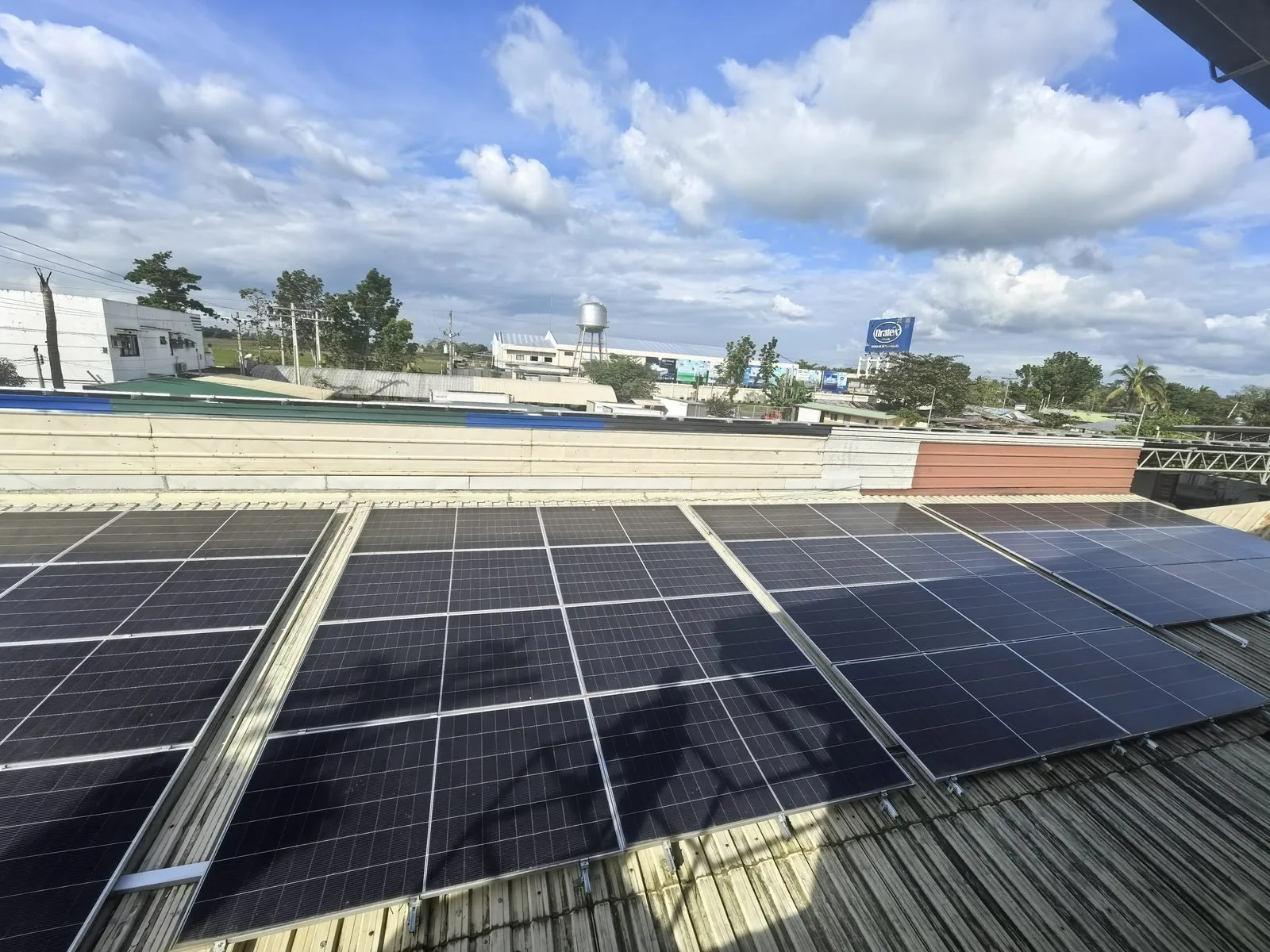
≈ 455 × 550W modules
Hybrid inverters
3-phase, millisecond transfer
Battery
Rack-mounted LFP in ventilated container
Controls
Automatic source coordination with generator
Results & ROI
Guests see uninterrupted power through grid events; the evening peak runs on stored solar energy.
Generator runtime and fuel cost drop to exceptional situations only.
Performance figures are engineering estimates from the project configuration unless stated otherwise.
Why this architecture was chosen
Evening is the entire problem
A hotel's load does not follow the sun. Occupancy and cooling demand peak in the evening — exactly when solar generation falls away. That gap is why this is a hybrid project rather than a grid-tied one: without storage, solar would offset the cheaper daytime hours and leave the expensive evening exposure untouched.
Why the generator stays in the design
Removing the generator entirely would have meant sizing the battery for the worst realistic outage instead of for the evening peak — a considerably larger and more expensive bank. Keeping the generator for extended events, with automatic coordination between sources, lets the battery be sized for what actually happens most days.
COMPONENT NOTES
Why each part was specified this way
Every quantity below is the one actually installed — nothing here is illustrative.
Component
What it does on this site
≈ 455 × 550 W modules
≈ 250 kW of PV sized against daytime hotel consumption, not against the evening peak — the array does not need to cover what the battery is there for.
Three-phase hybrid inverters
Millisecond transfer, so guests never see a flicker when the grid drops. On a hotel, that is the specification that protects reviews.
Rack-mounted LFP in a ventilated container
The container keeps the battery inside its temperature band; the rack format also allows capacity to be added later.
Automatic source coordination
Decides between PV, battery, grid and generator without staff intervention — no one has to make a call during an outage.
Applying this to your site
The value in a project like this is not the equipment list — it is the sequence of decisions behind it. If your site resembles this one, these are the questions worth answering before anyone quotes a capacity.
List the guest-visible circuits first: reception, corridors, restaurant, guest-room lighting and air conditioning. That list sizes the battery, not the total load.
Identify the worst realistic evening — full occupancy, a function, peak heat — and size for that evening.
Decide where the battery can physically live. Container placement drives cable runs, ventilation and noise.
Keep the generator unless your own outage record justifies removing it.
Ask specifically for millisecond transfer. A visible flicker at check-in is a guest complaint waiting to happen.
IMPLEMENTATION TIMELINE
From survey to commissioning.
Typical export project sequence — actual dates depend on destination and site.
Week 1–2
Load profiling and backup list
Week 3–4
Engineering and packing
Week 5–9
Shipment and customs
Week 10–14
Installation and commissioning
PROJECT GALLERY
Installation records.
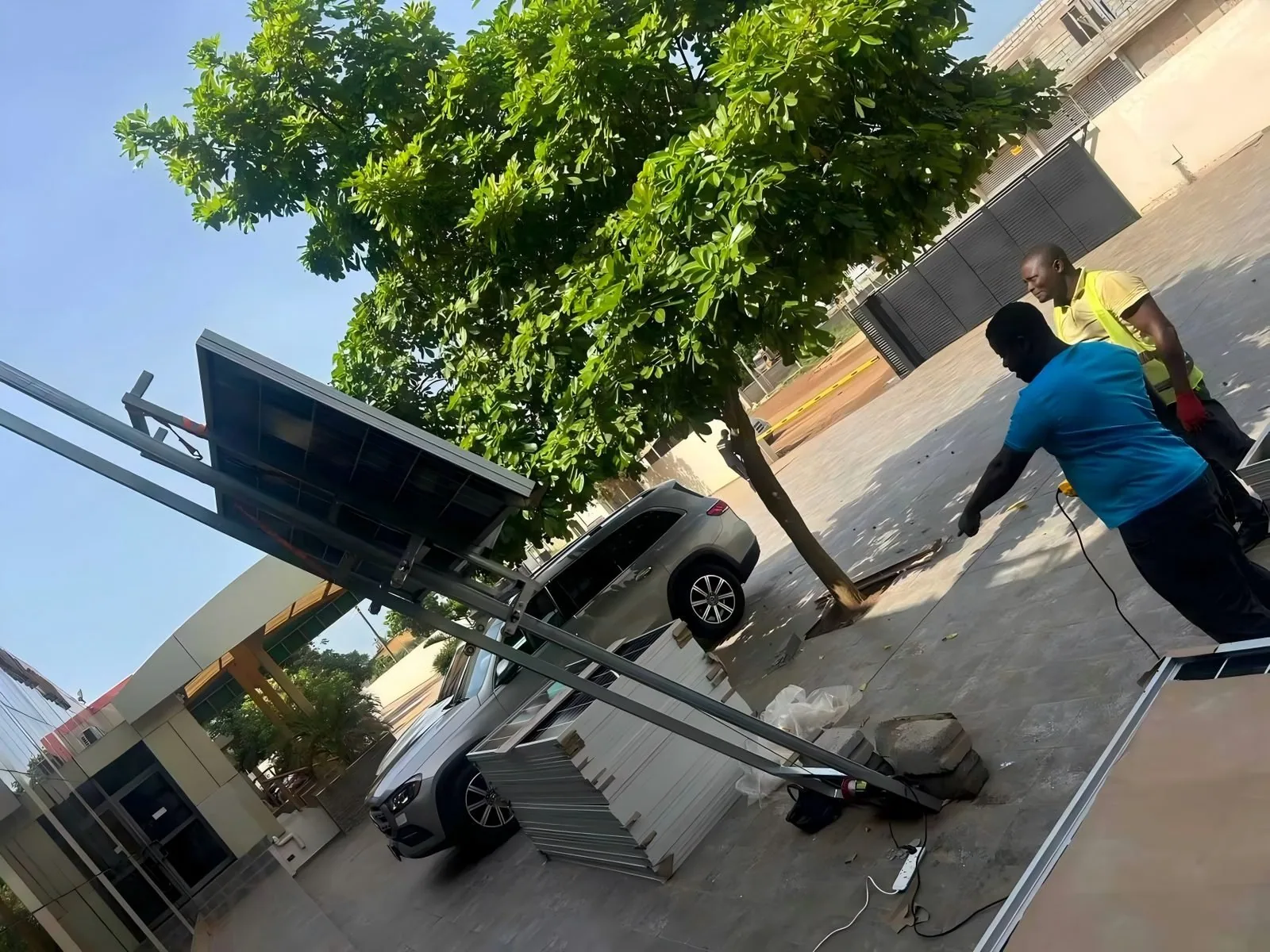
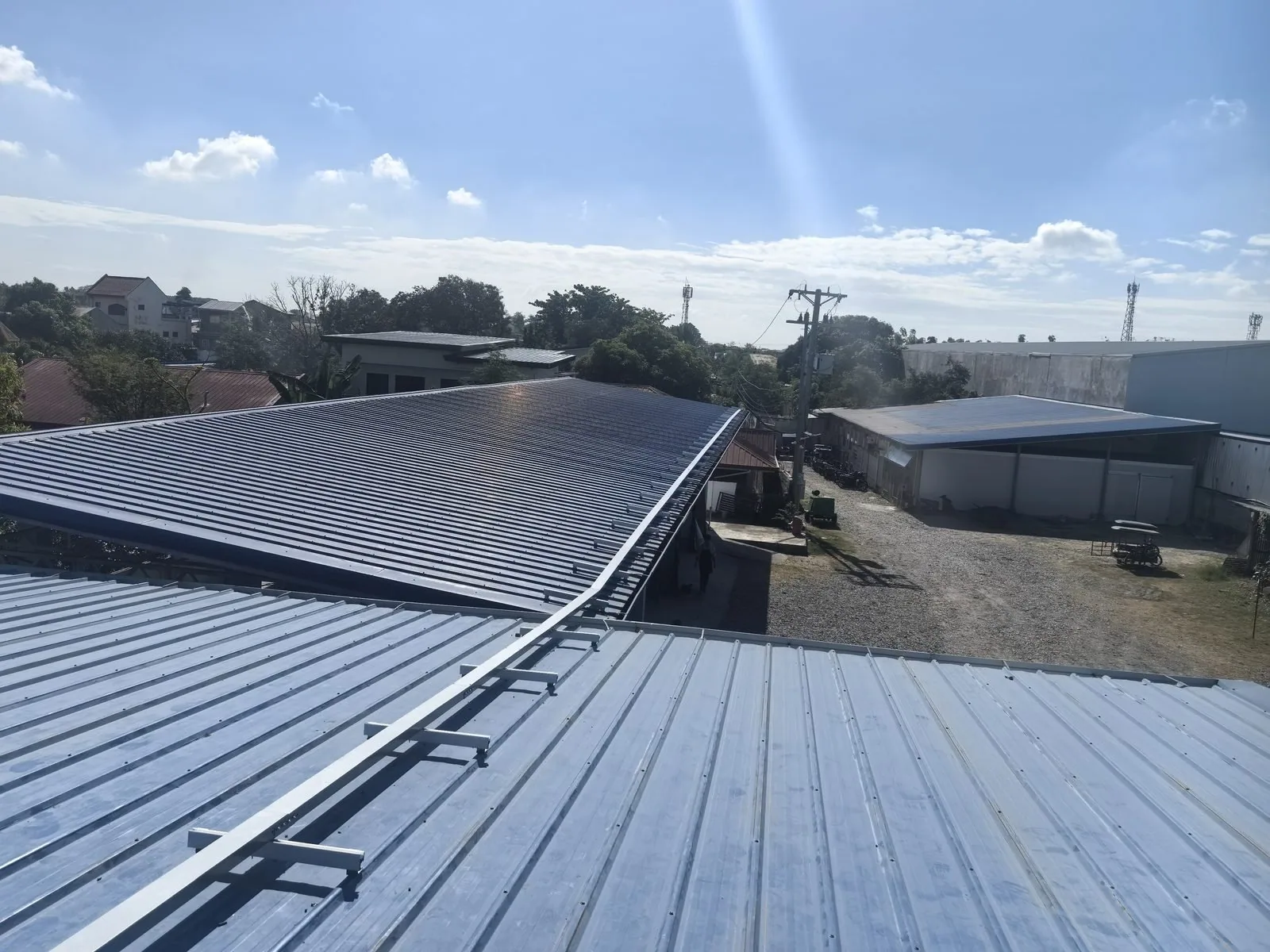
Installation work on siteContainerised rack battery storage
What does the 250 kW hotel system in Ghana consist of?
250 kW of PV paired with rack-mounted LFP battery storage, installed in a ventilated container. Roughly 455 × 550 W modules feed three-phase hybrid inverters.
How does the hotel get through the evening peak?
Evening is the critical window — occupancy and cooling demand peak just as solar generation falls away. The rack-mounted LFP storage carries that evening load.
What happens if the grid fails for a long time?
The generator remains as the last resort for extended events, with automatic coordination between sources and millisecond transfer on the hybrid inverters.
Why pair solar with storage at a hotel?
A hotel sells comfort, and comfort is electricity — air conditioning, hot water, kitchens, lighting and lifts. Storage protects guest-visible areas from outages while solar offsets the rising grid tariff.
START A PROJECT
Get the same results
Send your load profile, grid conditions and destination — we will prepare a sized configuration for your site.