
Energy Storage System
The storage layer behind every project — rack modules, cabinet banks and BESS enclosures, from 15kWh residential units to MWh-class installations.
12 products.
Every model below can be configured for your voltage, grid and destination — send the load profile for a sized proposal.
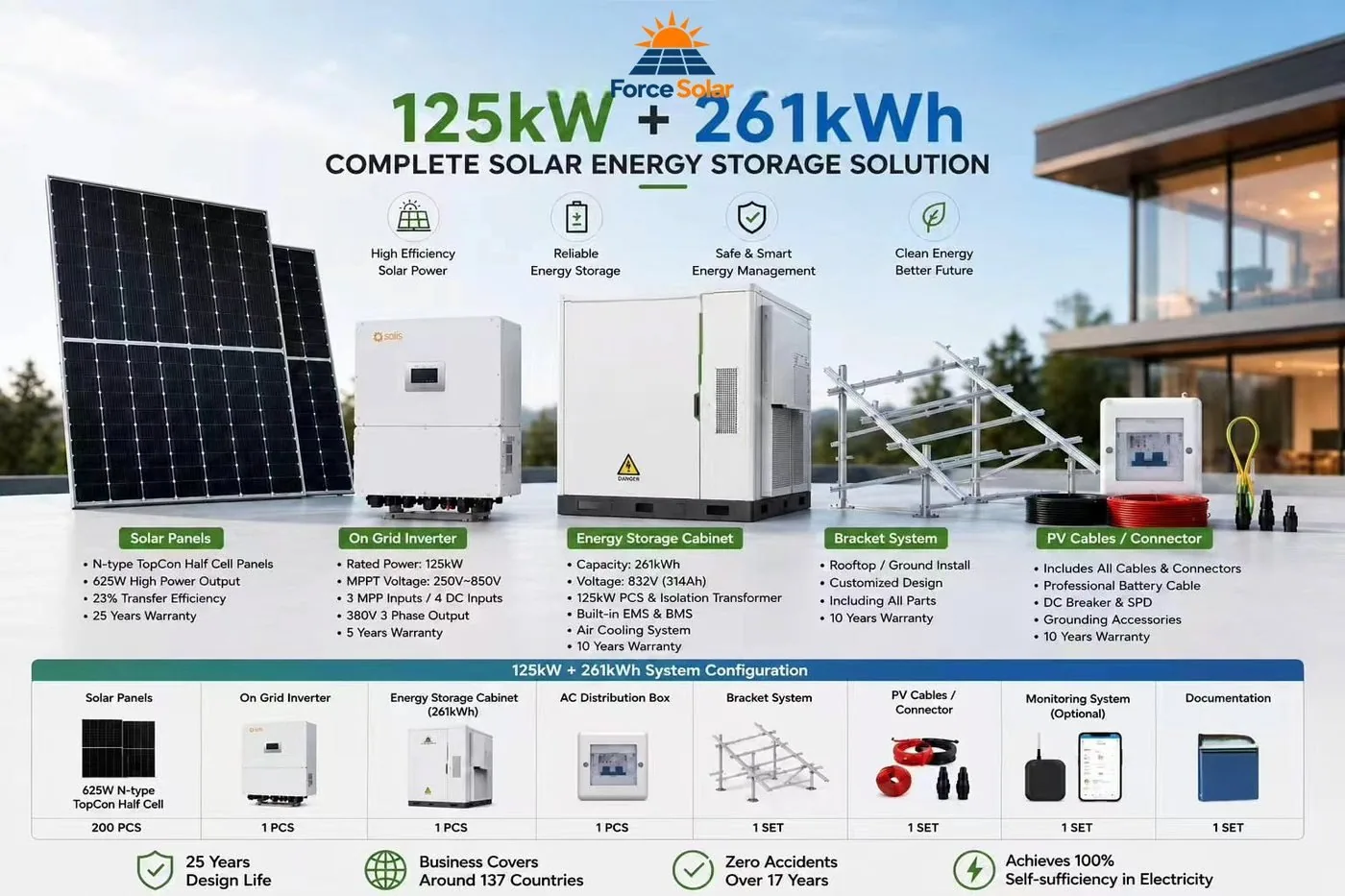
125KVA 125kW+261kWh BESS Solar System
125kW of power, 261kWh of LFP storage — backup and solar shifting in one cabinet.
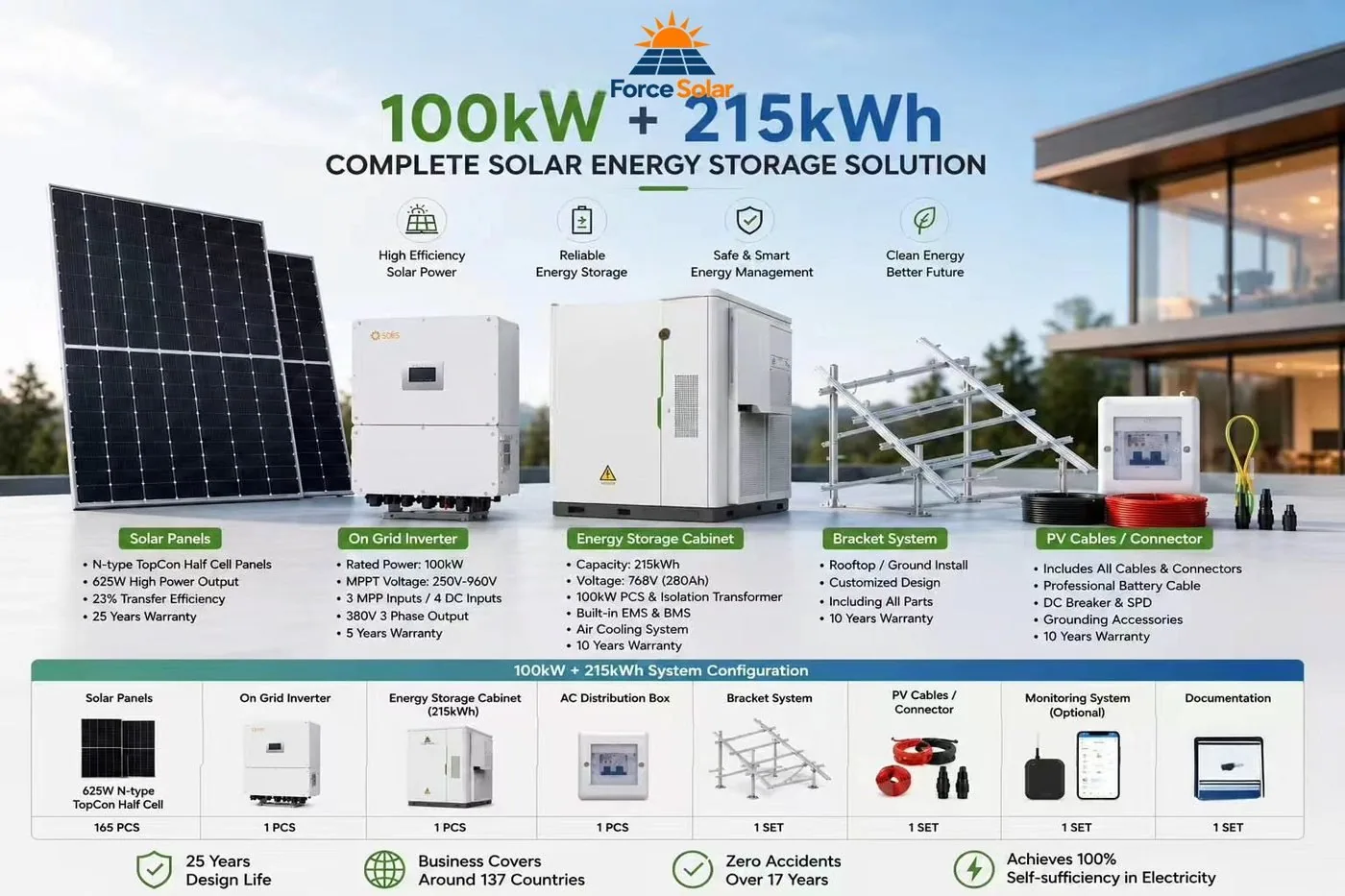
100KVA 100kW+215kWh BESS Solar System
100kW of power, 215kWh of LFP storage — backup and solar shifting in one cabinet.
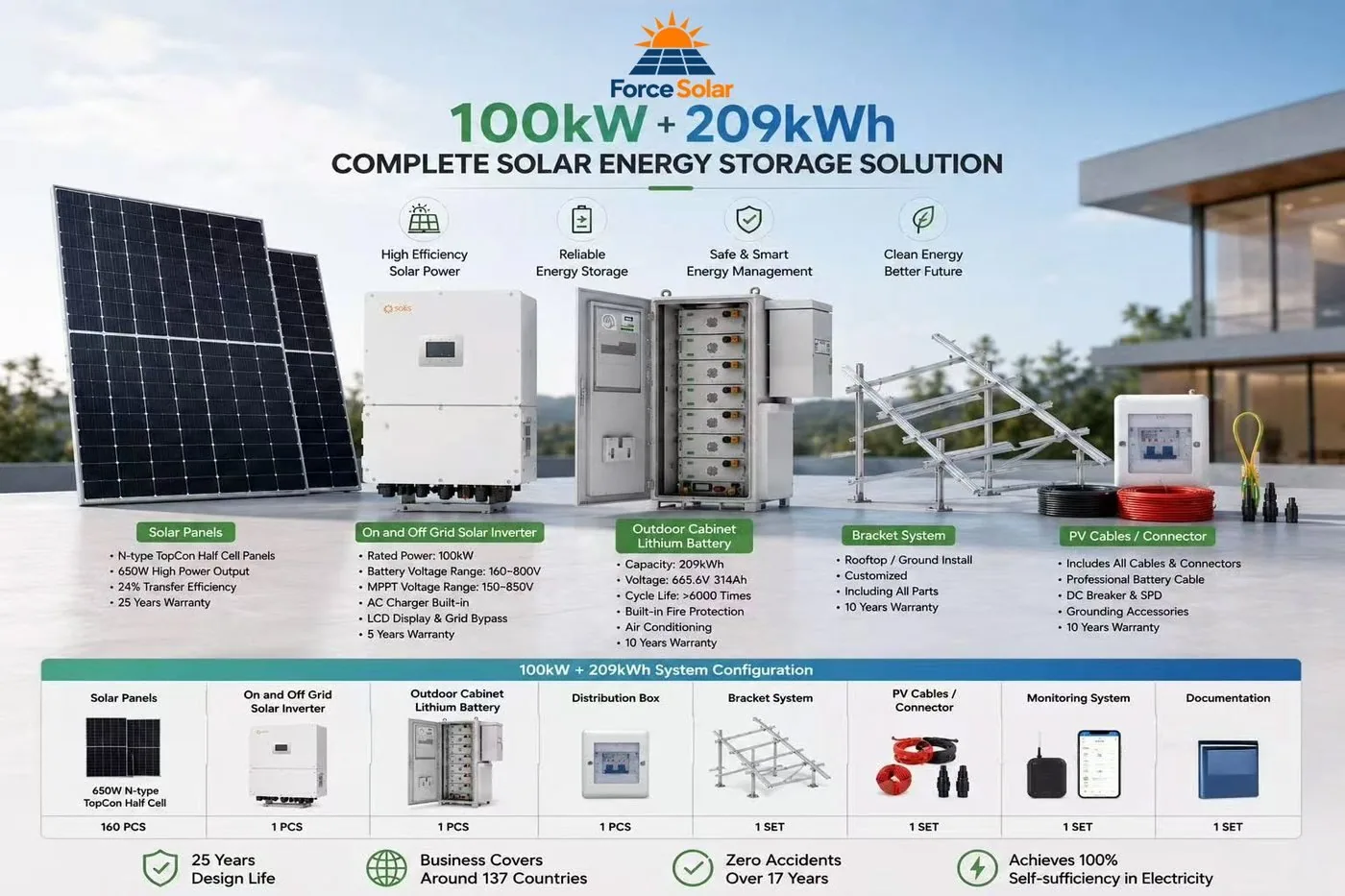
100KVA 100kW+209kWh BESS Solar System
100kW of power, 209kWh of LFP storage — backup and solar shifting in one cabinet.
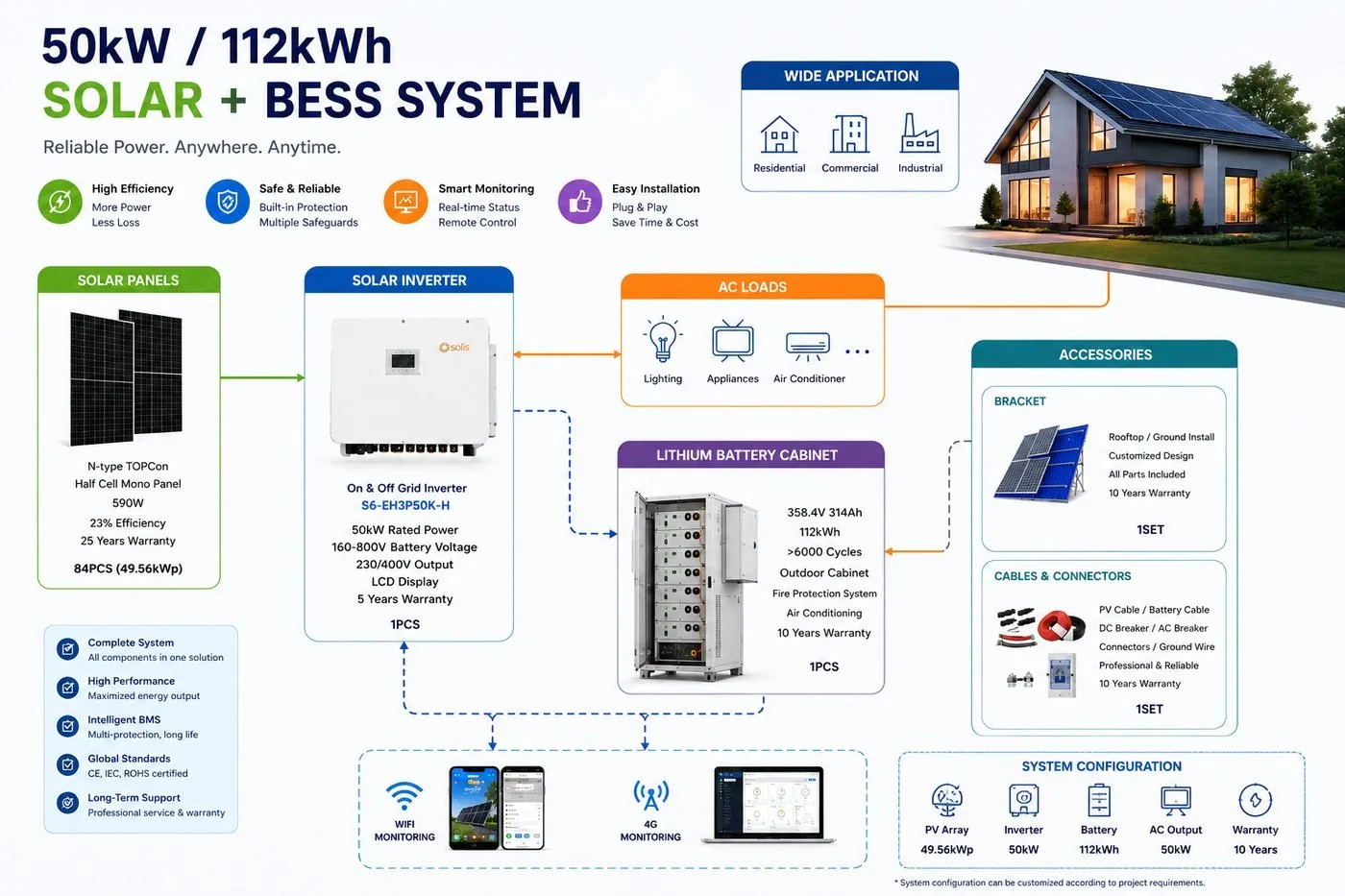
50KVA 50kW+112kWh BESS Solar System
50kW of power, 112kWh of LFP storage — backup and solar shifting in one cabinet.
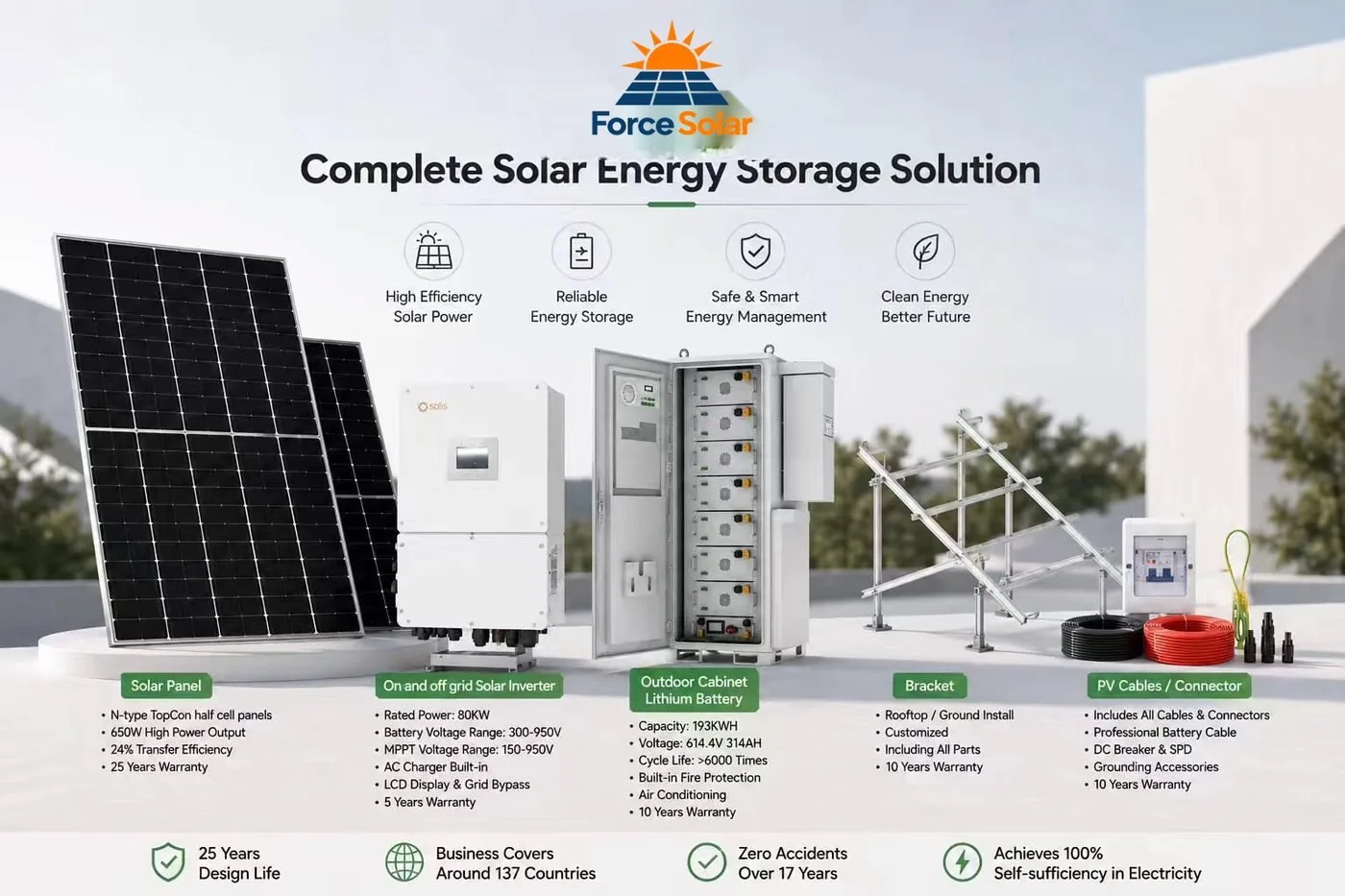
80KVA 80kW+193kWh BESS Solar System
80kW of power, 193kWh of LFP storage — backup and solar shifting in one cabinet.
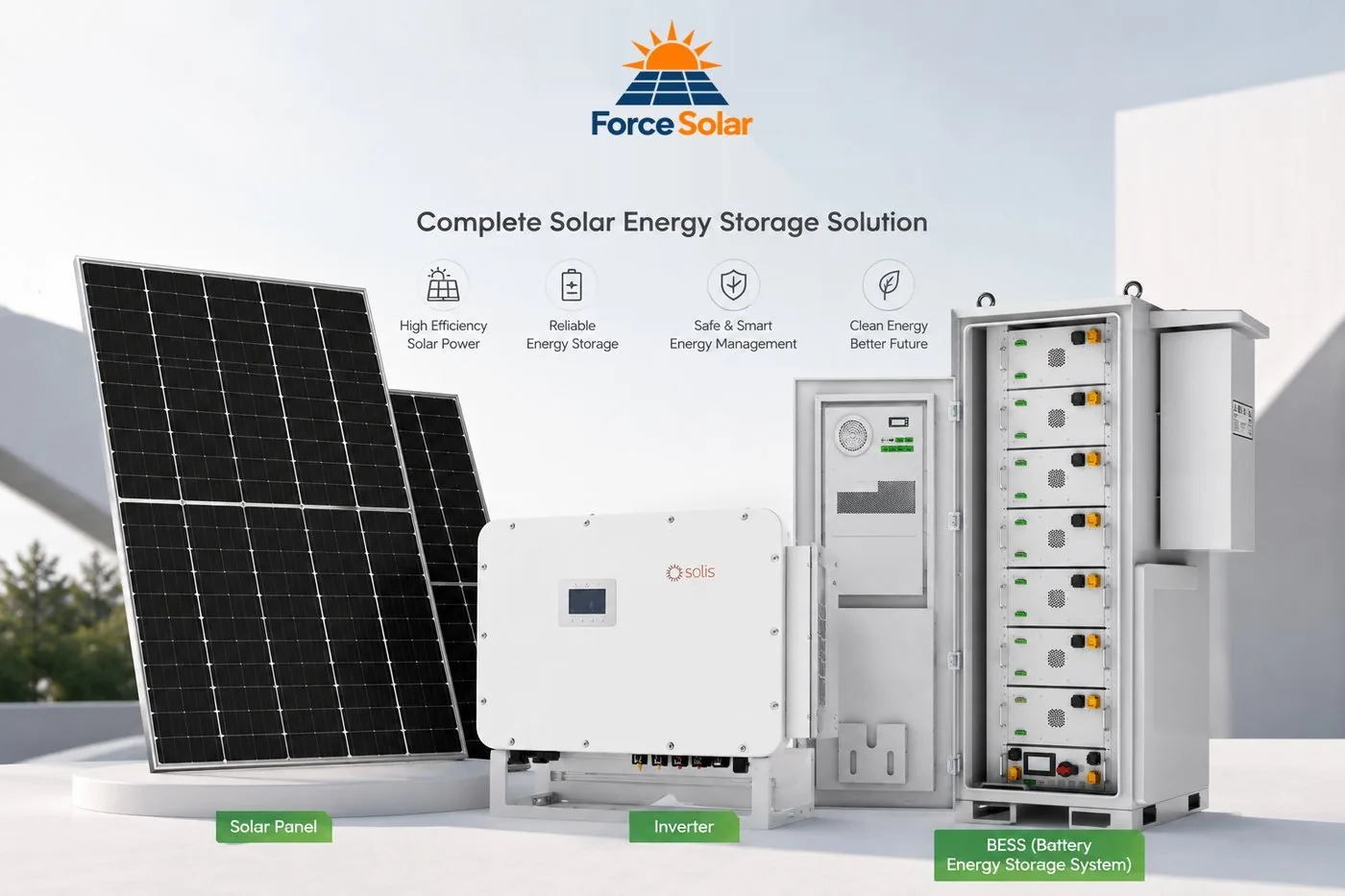
40KVA 40kW+96kWh BESS Solar System
40kW of power, 96kWh of LFP storage — backup and solar shifting in one cabinet.
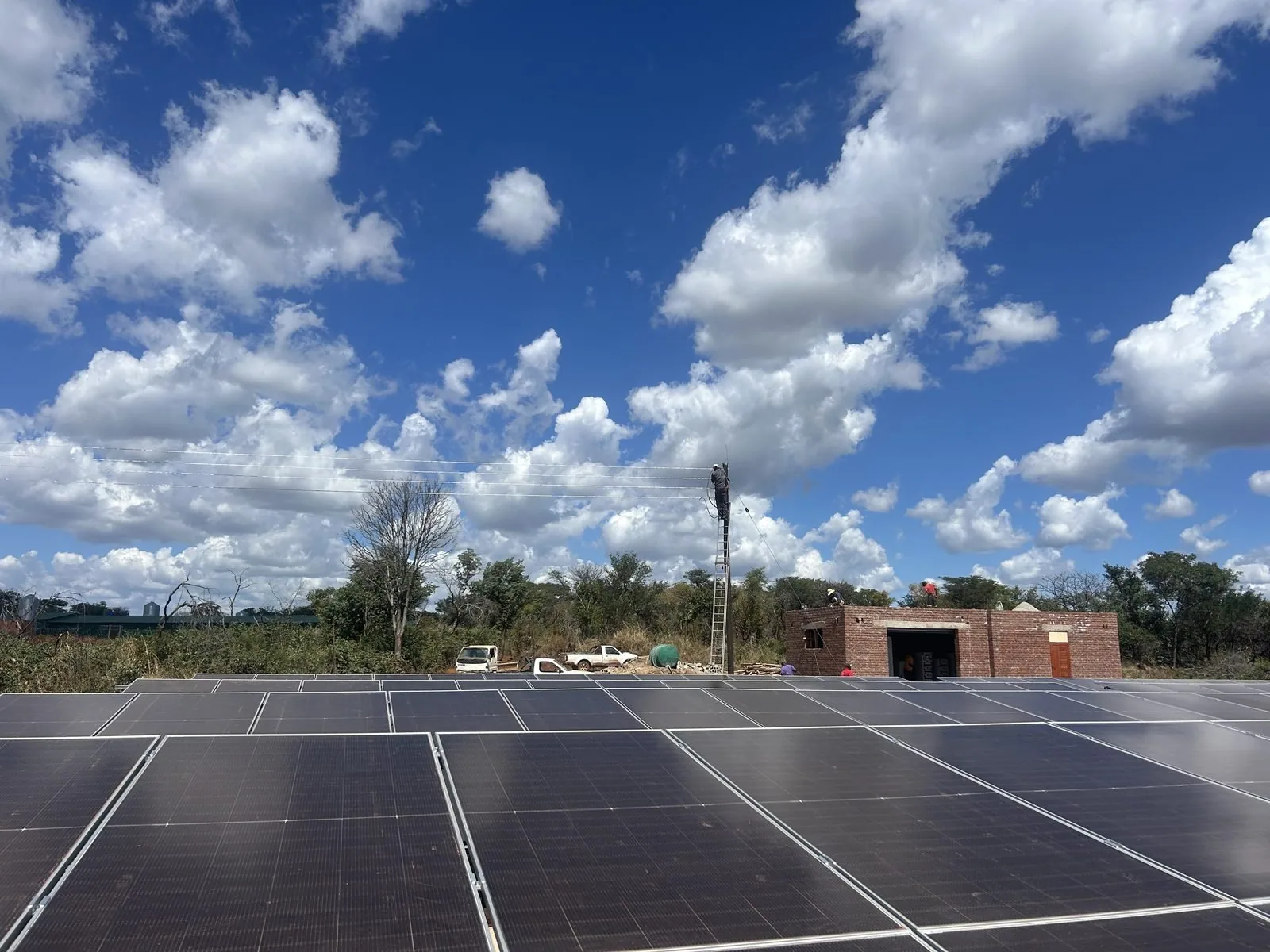
Solar System for Farm
Solar for irrigation pumping, cold rooms and farm buildings.
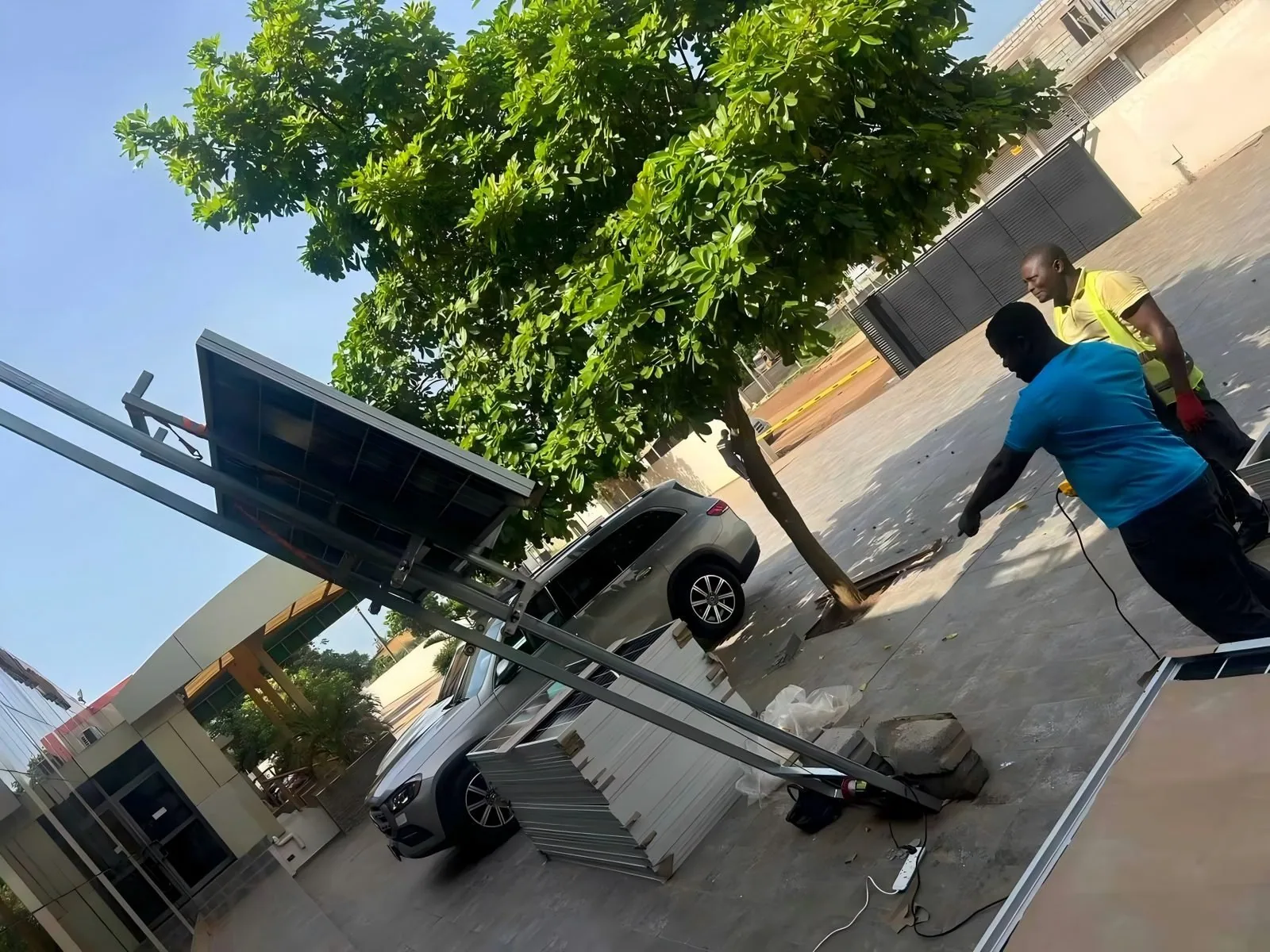
Solar Power System for Hotel
Solar plus storage that protects the guest experience.
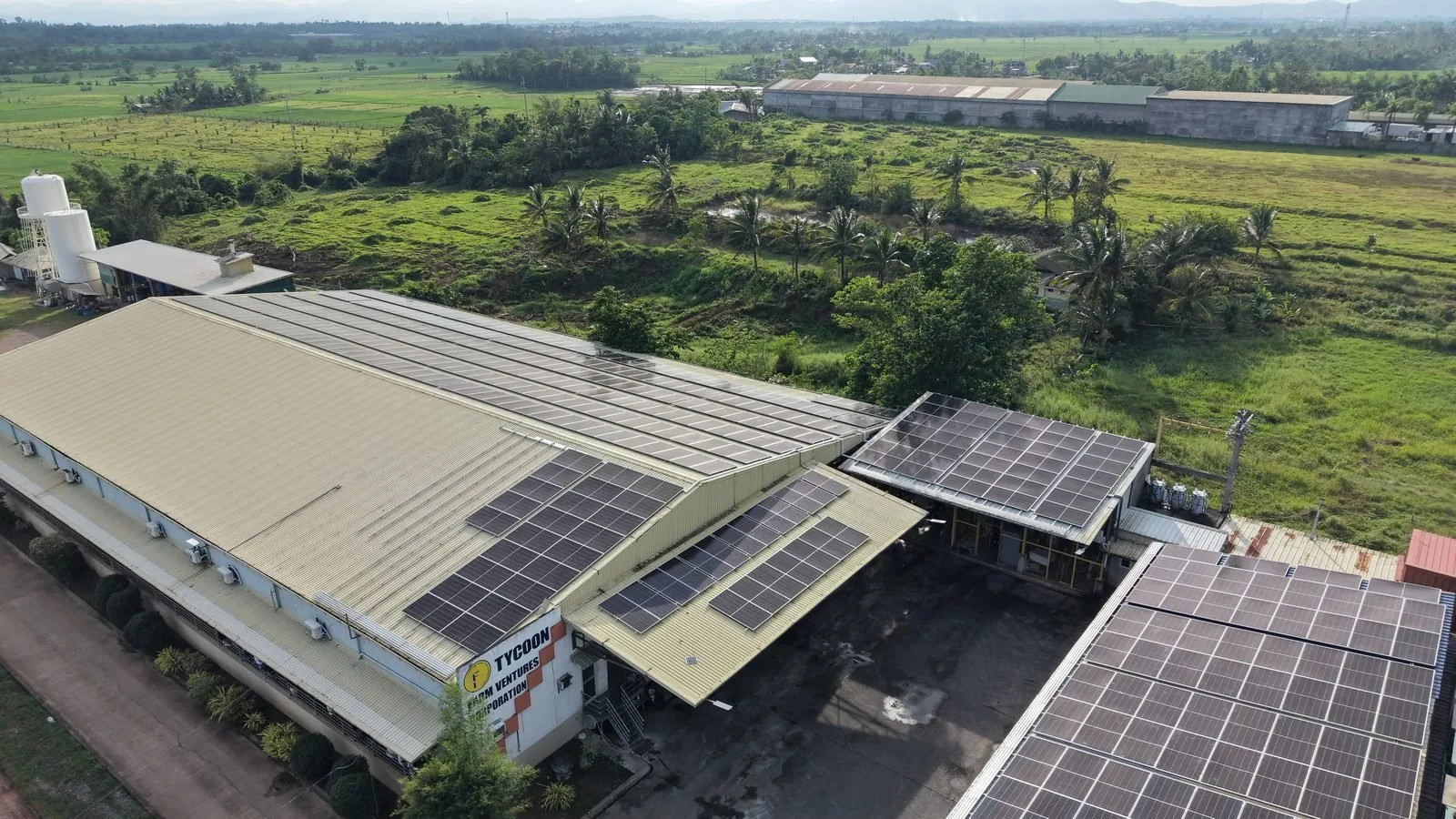
Solar System for Factory
Rooftop or ground PV from 100kW to 1MW+, engineered around shift patterns, demand peaks and grid reliability.
Rack-Mounted Energy Storage Battery 50–500 kWh
Modular rack-mounted LFP storage from 50 to 500 kWh.
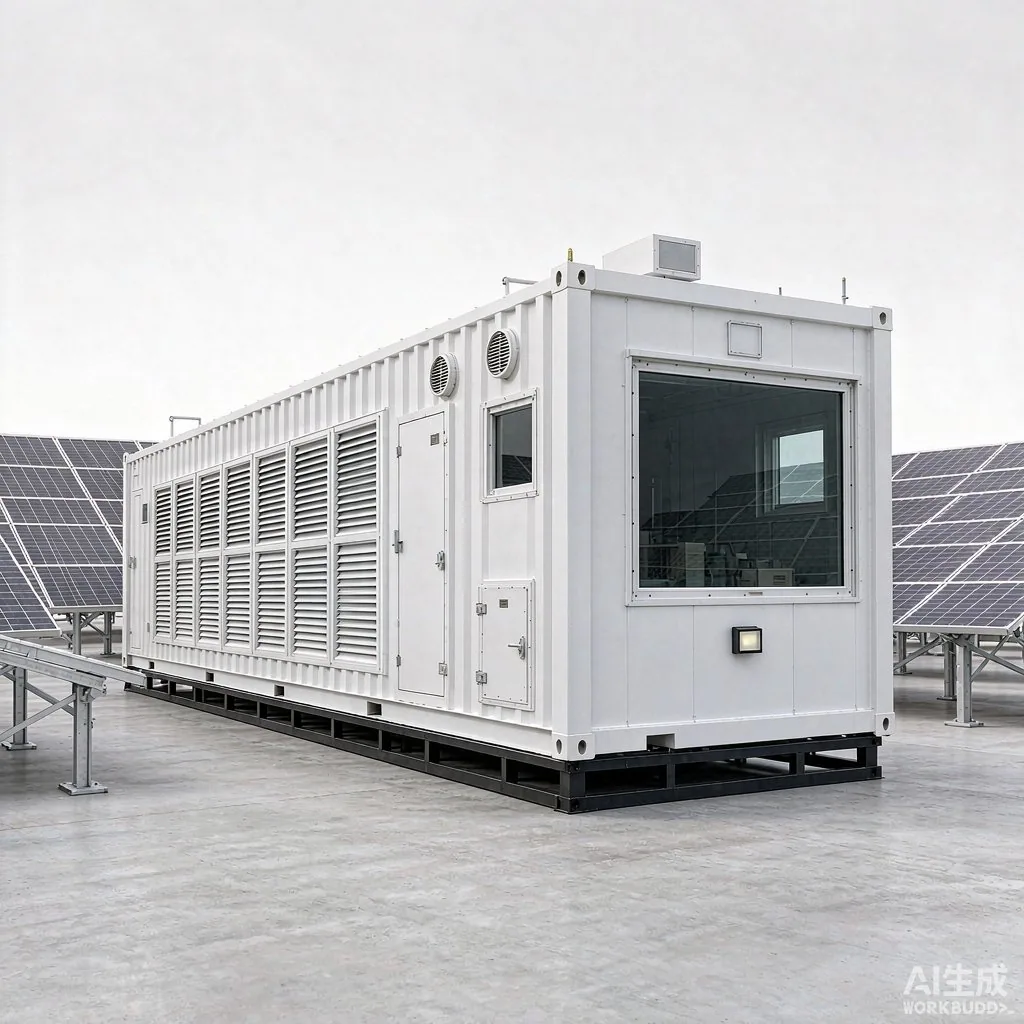
1MW 1000kVA Solar System
Complete 1MW solar power system for industrial sites — hybrid-ready.
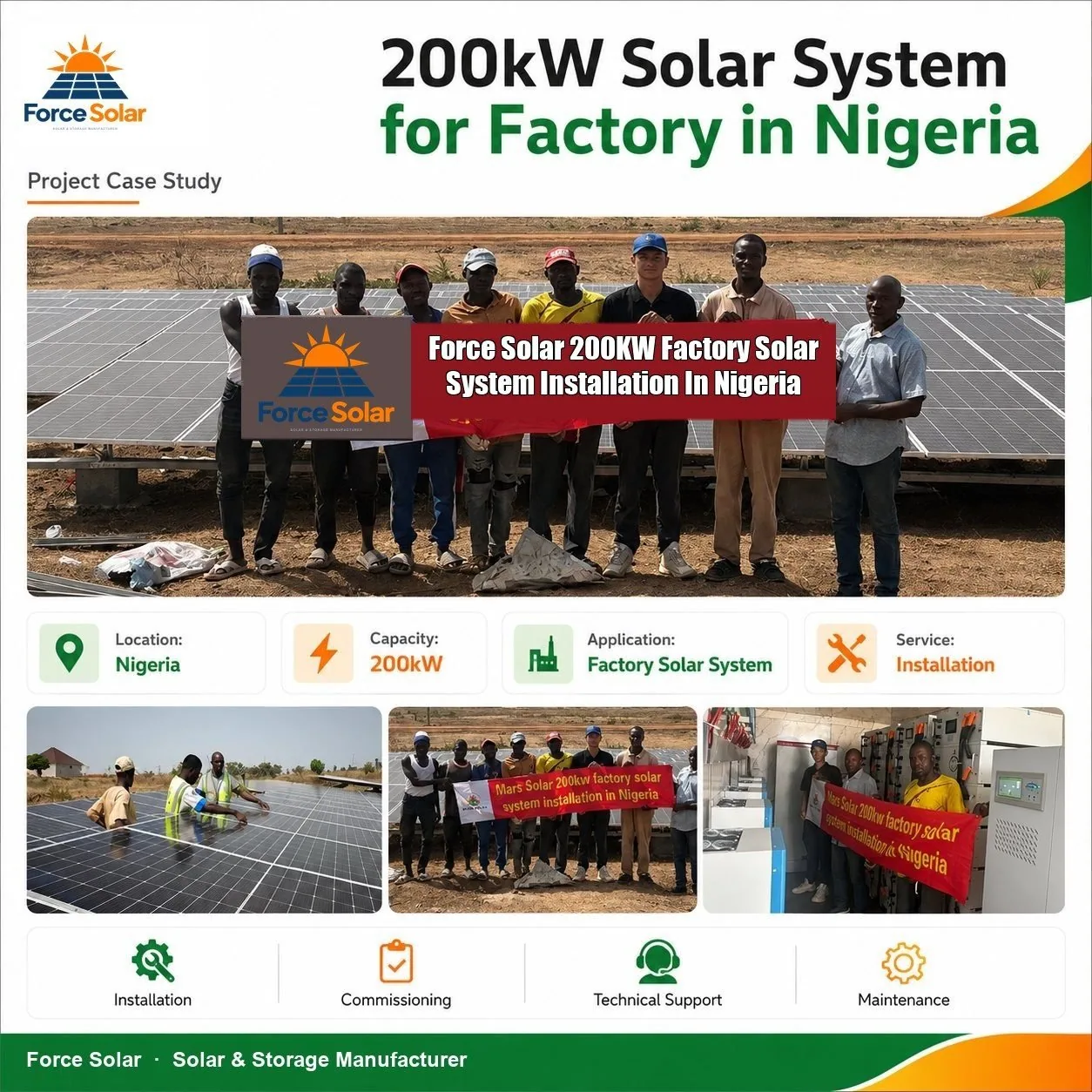
200kW 200kVA Solar System
Complete 200kW solar power system for factories & facilities — hybrid-ready.
Continue browsing.
The same product can appear in several categories — storage, power rating and application overlap by design.
Storage formats and where each one fits
Storage comes in three physical formats. Which one is right depends less on capacity than on where it will sit and how it will be expanded later.
| Model | Format | Capacity | Where it is installed | Expandable |
|---|---|---|---|---|
| FS-BAT-15 | Low-voltage LFP battery | 15kWh | Wall or floor mount, indoor | Parallel units |
| FS-BAT-30 | Low-voltage LFP battery | 30kWh | Indoor, ventilated | Parallel units |
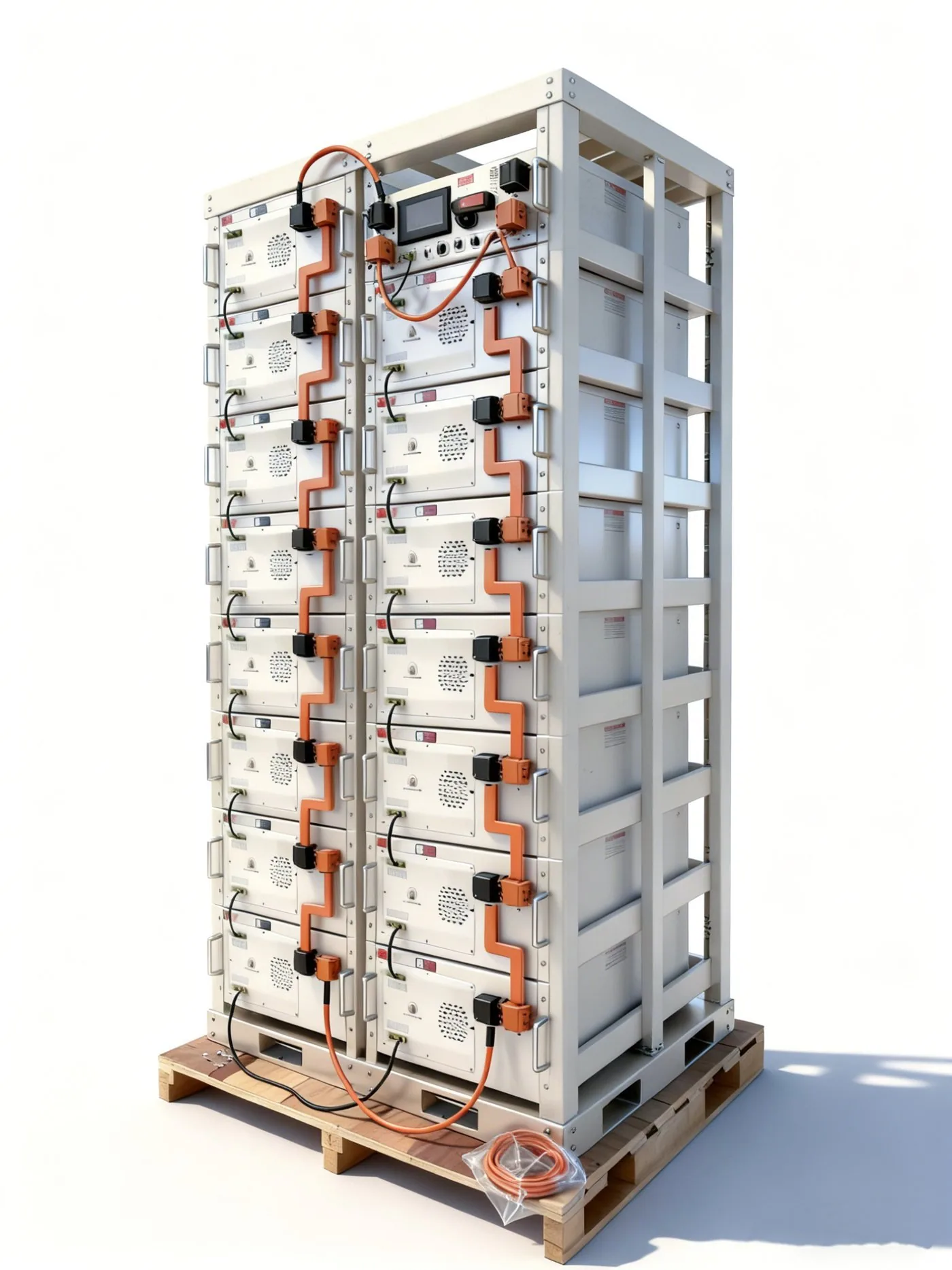
| FS-RACK-50~500 | Rack-mounted LFP, modular | 50 to 500kWh | Indoor rack or outdoor cabinet | Yes, module by module |
| FS-BESS-96 to FS-BESS-261 | BESS cabinet | 96 to 261kWh | IP54 outdoor cabinet with HVAC | Parallel cabinets |
All four use LiFePO4 cells rated for 6,000+ cycles at 80% end of life, with up to 90 to 95% depth of discharge. Cabinet projects extend to 5MWh.
Storage gets bought for two different jobs.
Almost every storage enquiry is really one of two projects wearing the same words. They are sized differently, and mixing them up is how banks end up oversized or disappointing.
| Backup | Shifting | |
|---|---|---|
| What sets the size | The critical load multiplied by the hours it has to survive | The gap between when the array generates and when the site consumes |
| What it is measured against | The worst outage in the log | A typical day, repeated |
| What happens if it is undersized | The lights go out during an outage | The bill is slightly higher than modelled |
| What happens if it is oversized | Capital is spent on capacity that never gets cycled | Capital is spent on capacity the tariff never rewards |
| Typical buyer | A site where outages cost money | A site with a tariff that varies by time of day |
Which format, decided in three questions.
The range above runs from a wall-mounted unit to parallel outdoor cabinets. Three questions narrow it.
Is the final capacity known?
If it is, a fixed-capacity model is usually the simpler purchase. If it is not — or if the site is expected to grow — the modular rack lets capacity be added without replacing what is already installed.
Indoor or outdoor?
Cabinets carry their own enclosure and cooling and sit outside. Racks want an indoor space, or an outdoor cabinet around them. This is often decided by the site rather than by preference.
Is expansion part of the plan?
Adding modules later is a different job from installing them on day one. Say at quotation stage if growth is expected, so the platform is chosen for it.
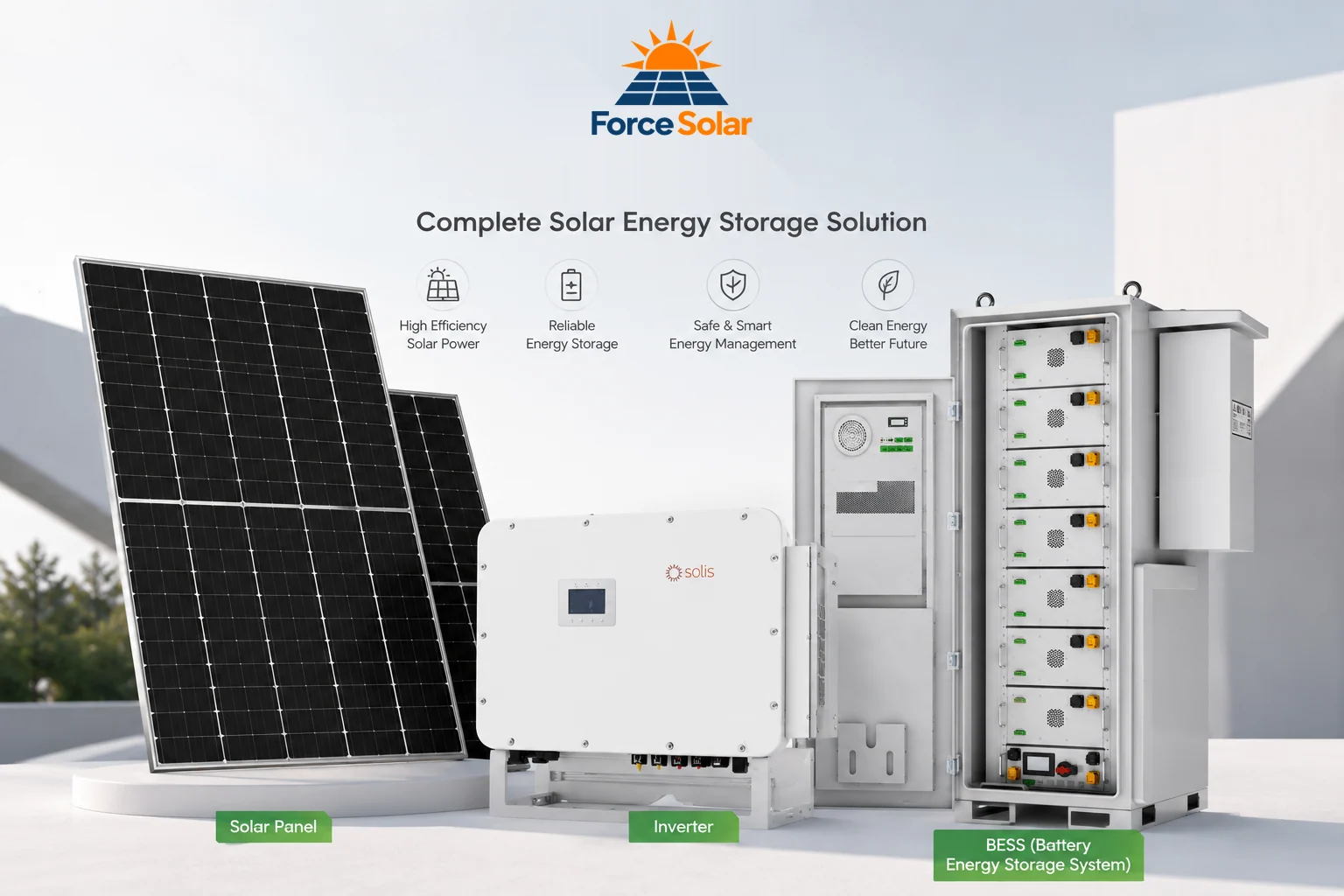
Storage configurations.
The formats in this range, drawn as they ship.


Frequently asked questions
How long does it take to deliver the Energy Storage System?
End to end, 4–12 weeks. Requirement definition takes 1–3 days, system design 1–2 weeks, production 1–3 weeks, then every unit completes a 72-hour test before shipping, and shipping and installation take 2–6 weeks depending on the destination.
Is the Energy Storage System configuration fixed?
No. What is shown on this page is the reference configuration for the model — every system is sized against its own load data before it is quoted.
What testing does the Energy Storage System go through before shipping?
A 72-hour test. It is the fourth of five steps in our delivery process: requirement definition, system design, production, testing, then shipping and installation.
What is included in the Energy Storage System price?
Every component named on the quotation, plus factory assembly, the 72-hour test, export packing and the documentation set. Not included: sea freight, import duties and taxes, and site labour. Each quotation lists these on separate lines, so you can compare suppliers on the same basis.
Is installation included with the Energy Storage System?
Not as on-site labour. Our scope: the equipment as specified, tested before it ships, with the drawings and documentation your contractor works from, plus remote commissioning support and spare parts. Your scope: the base and civil works, crane placement, AC cable runs, the grid-connection cabinet and metering, local permits, and the installation labour. We do not keep installation crews abroad, so site work and its cost are quoted by your own contractor or local EPC.
Not sure which category fits?
Send the load profile, grid conditions and destination — we will name the architecture and the bill of materials.
Request a system proposal